


The Romanian Residential Energy Landscape: Understanding the Numbers
Picture this: The typical Romanian household consumes about 2,500 kWh annually, with an average electricity price of €0.18/kWh (including taxes and distribution charges). But here's the thing: many households are on time-of-use tariffs where peak rates can reach €0.28/kWh, while off-peak rates drop to €0.12/kWh.
What if I told you that a properly sized residential Smart BESS system could shift 65-75% of a household's consumption from peak to off-peak rates? That translates to annual savings of €350-€450 for the average household. But that's just the beginning—there are additional benefits that make the economics even more compelling.
System Sizing and Cost Analysis for Romanian Homes
Typical Residential System Configurations
Romanian homes typically require these system sizes:
- Small Apartment (50-80 m²): 3-5 kWh storage, 2-3 kW inverter
- Medium House (80-150 m²): 5-10 kWh storage, 3-5 kW inverter
- Large House (150+ m²): 10-20 kWh storage, 5-10 kW inverter
- Villa with Pool/EV: 15-25 kWh storage, 8-15 kW inverter
Cost Breakdown (2026 Prices)
For a typical 10 kWh/5 kW system (medium house):
- Battery System: €4,500-€5,500
- Hybrid Inverter: €1,800-€2,200
- Installation & Balance of System: €1,200-€1,800
- Monitoring & Control System: €400-€600
- Total Installed Cost: €7,900-€10,100
Available Subsidies and Incentives
Romania offers several programs for residential storage:
1. Casa Verde Fotovoltaice: Up to €3,000 for solar+storage systems
2. Local Municipal Programs: Additional €500-€1,000 in some regions
3. VAT Reduction: 5% VAT rate for energy efficiency investments
4. Accelerated Depreciation: For properties used for business purposes
Financial Modeling: Detailed ROI Analysis
Base Case Scenario
Let's examine a typical scenario for a house in Bucharest:
System Details:
- Storage Capacity: 10 kWh
- Inverter Power: 5 kW
- Total Cost: €8,500
- Subsidy Received: €2,500
- Net Cost After Subsidy: €6,000
Annual Benefits:
- Peak Shifting Savings: €420 (700 kWh shifted at €0.60/kWh differential)
- Self-Consumption Increase: €180 (300 additional kWh used vs exported)
- Grid Services Revenue: €60 (frequency regulation participation)
- Backup Power Value: €150 (avoided costs during outages)
- Total Annual Value: €810
Financial Metrics:
- Simple Payback: 7.4 years (€6,000 / €810)
- Discounted Payback: 8.2 years (considering 3% annual electricity price increase)
- Internal Rate of Return: 11.8%
- Net Present Value (10 years): €1,850
Enhanced Scenario with Solar Integration
Now consider the same house with a 5 kW solar array:
Additional System Cost: €4,500 (after subsidies)
Total System Cost: €13,000 (storage + solar)
Net Cost After Subsidies: €8,500
Enhanced Annual Benefits:
- Solar Generation: 5,500 kWh annually
- Self-Consumption Increase: 85% (vs. 35% without storage)
- Additional Annual Savings: €720
- Total Annual Value: €1,530
Improved Financial Metrics:
- Simple Payback: 5.6 years
- Discounted Payback: 6.1 years
- Internal Rate of Return: 16.2%
- Net Present Value (10 years): €4,650
Technology Selection: Key Considerations for Romanian Homes
Battery Chemistry Choices
For residential applications in Romania's climate:
- Lithium Iron Phosphate (LFP): Best for safety and cycle life (6,000+ cycles)
- Lithium Nickel Manganese Cobalt (NMC): Higher energy density but shorter lifespan
- Sodium-Ion: Emerging technology with potential cost advantages
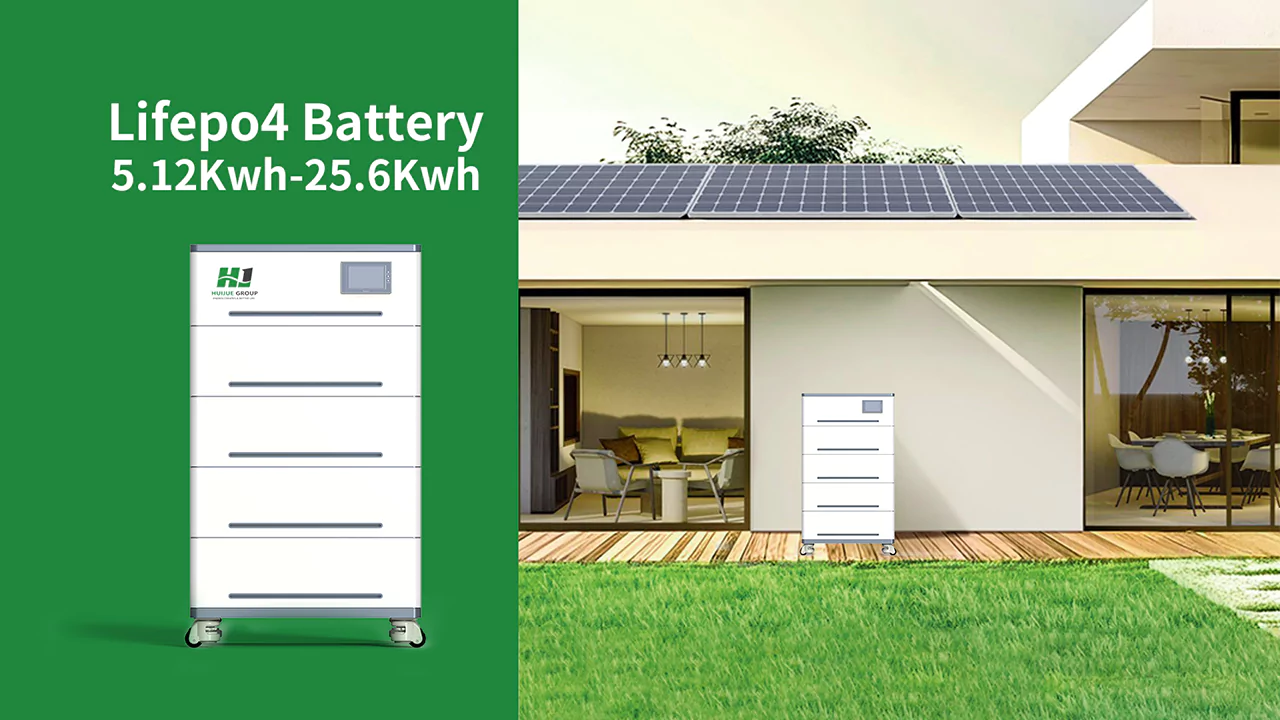
Huijue's residential systems use LFP chemistry, providing optimal balance of safety, lifespan, and performance for Romanian conditions.
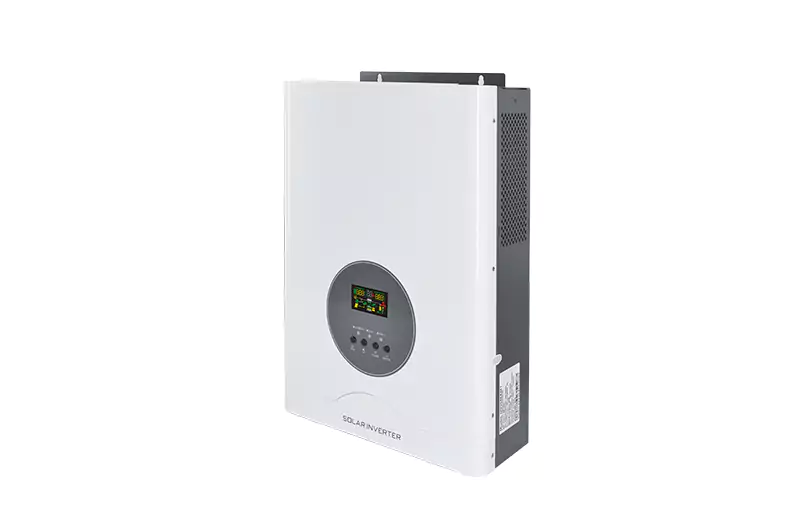
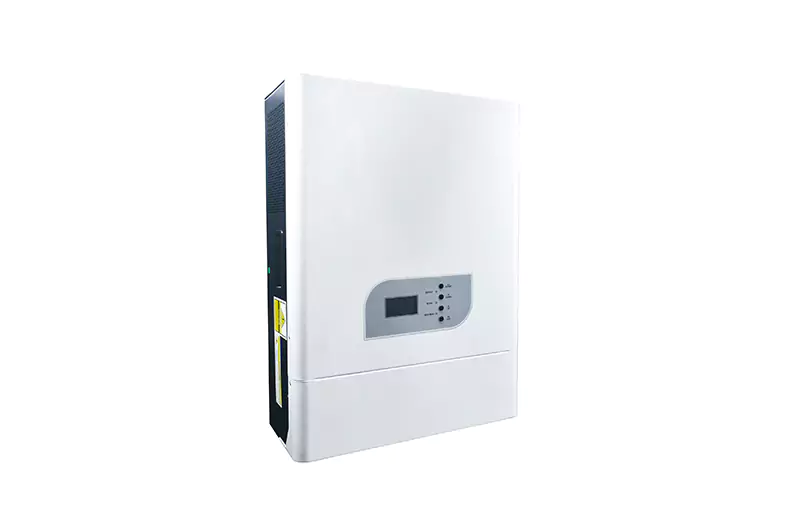
Inverter Technology
Key features to consider:
- Hybrid Capability: Ability to work with both grid and solar
- Efficiency: Minimum 96% conversion efficiency
- Grid Services Support: Capability to participate in frequency regulation
- Modularity: Ability to expand system over time
- Communication: Integration with home energy management systems
Monitoring and Control
Advanced systems like Huijue's HJ-EMS Home provide:
- Real-Time Monitoring: Track energy flows and system performance
- Predictive Optimization: AI-based suggestions for maximizing savings
- Remote Control: Adjust settings via smartphone app
- Fault Detection: Early warning of potential issues
- Performance Reporting: Detailed analysis of savings and benefits
Case Studies: Real Romanian Homes, Real Results
Case Study 1: Bucharest Apartment
- Location: Central Bucharest, 75 m² apartment
- System: Huijue 5 kWh/3 kW system
- Investment: €5,200 (after €1,800 subsidy)
- Annual Savings: €480
- Payback Achieved: 4.8 years
- Additional Benefits: 4-hour backup during frequent Bucharest outages
The homeowner reported: "The system paid for itself in under 5 years, and the peace of mind during outages is priceless."
Case Study 2: Cluj-Napoca Family Home
- Location: Cluj-Napoca suburbs, 120 m² house
- System: Huijue 10 kWh/5 kW with 3 kW solar
- Investment: €9,800 (after €3,200 subsidies)
- Annual Savings: €1,240
- Payback Achieved: 4.2 years
- Additional Benefits: 90% energy independence during summer months
Case Study 3: Brașov Mountain Cabin
- Location: Remote location near Brașov
- System: Huijue 15 kWh/8 kW off-grid system
- Investment: €12,500 (after €2,500 subsidy)
- Annual Savings: €1,850 (replaced diesel generator)
- Payback Achieved: 3.8 years
- Additional Benefits: Silent operation and zero emissions
The Value of Grid Services Participation
Romania's evolving electricity market creates new revenue opportunities:
Frequency Regulation
Residential systems can aggregate to provide frequency regulation services. Typical revenue: €20-€40 per kW per year.
Capacity Market
Systems providing backup capacity during peak periods: €15-€25 per kW per year.
Demand Response
Reducing consumption during system stress events: €10-€20 per event.
Huijue's systems include automated participation capabilities that maximize these revenue streams without requiring homeowner intervention.
Maintenance and Long-Term Performance
Expected Performance
- Annual Degradation: 2-3% capacity loss (LFP chemistry)
- Cycle Life: 6,000+ full cycles (15+ years at daily cycling)
- Efficiency: 95% round-trip efficiency maintained over life
- Warranty: 10-year performance warranty standard
Maintenance Requirements
- Annual Inspection: Visual check and system diagnostics
- Software Updates: Regular updates for optimization algorithms
- Battery Maintenance: Minimal (sealed systems)
- Monitoring: Continuous remote monitoring included
End-of-Life Considerations
- Recycling Options: Battery recycling programs available
- Residual Value: 20-30% of original value after 10 years
- Replacement Options: Modular designs allow component replacement
Environmental Benefits and Carbon Reduction
Beyond financial returns, residential Smart BESS systems provide environmental benefits:
Carbon Emission Reduction
A typical 10 kWh system in Romania:
- Annual CO2 Reduction: 1.2-1.8 tons
- Equivalent: Planting 60-90 trees annually
- Lifetime Reduction: 12-18 tons over 10 years
Grid Support Benefits
- Reduced Peak Generation: Less need for fossil fuel peaker plants
- Renewable Integration: Enables higher solar penetration
- Grid Stability: Improved frequency and voltage control
Financing Options for Romanian Homeowners
Direct Purchase
- Cash Payment: Full upfront payment (optimal for those with available funds)
- Home Equity Loan: 3-5% interest rates, 5-10 year terms
- Personal Loan: 6-8% rates, 3-7 year terms
Third-Party Financing
- Lease Options: Monthly payments covering equipment and maintenance
- Power Purchase Agreements: Pay for stored energy rather than equipment
- Energy Service Contracts: Guaranteed savings arrangements
Subsidy Programs
- Application Assistance: Help with subsidy application process
- Combined Funding: Layering multiple subsidy programs
- Tax Benefits: Accelerated depreciation for eligible properties
Implementation Considerations
Site Assessment
Key factors to evaluate:
- Electrical Panel: Capacity and condition
- Location: Space for equipment and ventilation
- Solar Potential: Roof orientation and shading
- Load Profile: Historical consumption patterns
- Grid Connection: Meter type and connection capacity
Installation Process
Typical timeline:
1. Site Assessment: 1-2 days
2. Design and Permitting: 2-4 weeks
3. Equipment Delivery: 1-2 weeks
4. Installation: 2-3 days
5. Commissioning and Testing: 1 day
6. Grid Connection Approval: 1-2 weeks
Regulatory Requirements
- ANRE Notification: Required for systems over 3 kW
- Distribution Company Approval: Grid connection agreement
- Building Permits: May be required for external equipment
- Safety Certifications: Electrical safety compliance
The Huijue Residential Advantage
Huijue's residential solutions offer specific advantages for Romanian homeowners:
Technology Features
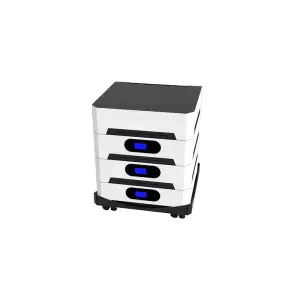
- Modular Design: Start with 5 kWh, expand to 20+ kWh as needed
- Smart Optimization: AI-based algorithms for Romanian price patterns
- Grid Integration: Full compliance with Romanian grid requirements
- Backup Power: Seamless transition during outages
Service and Support
- Local Installation Partners: Network across Romania
- 24/7 Monitoring: Remote monitoring and support
- Performance Guarantees: 10-year warranty with performance guarantees
- Financing Assistance: Help accessing subsidies and financing
Romanian-Specific Adaptation
- Climate Adaptation: Designed for Romanian temperature ranges
- Grid Code Compliance: Full ENTSO-E and ANRE requirements
- Local Language Support: Romanian interfaces and documentation
- Cultural Understanding: Romanian business practices and expectations
Future Outlook: Evolving Economics
The economics of residential Smart BESS in Romania continue to improve:
Technology Cost Trends
- Battery Costs: Declining 8-12% annually
- Inverter Costs: Declining 5-8% annually
- Installation Costs: Becoming more standardized and efficient
Electricity Price Trends
- Continued Increases: 4-6% annual electricity price increases expected
- Time-of-Use Differentiation: Growing peak/off-peak price differentials
- Grid Charges: Increasing emphasis on demand charges
Policy Support
- Expanding Subsidies: New programs expected in 2027-2030
- Market Reforms: Enhanced revenue opportunities for distributed resources
- Carbon Pricing: Increasing value of emissions reductions
Making the Decision: Is Residential Smart BESS Right for You?
Ideal Candidates
Residential Smart BESS makes most sense for:
- High Electricity Consumers: >3,000 kWh annually
- Time-of-Use Tariff Customers: Significant peak/off-peak differentials
- Frequent Outage Areas: Value backup power capability
- Solar Owners: Maximize self-consumption of solar generation
- Environmentally Conscious: Seeking carbon reduction
Decision Framework
Consider these factors:
1. Financial Capacity: Available funds or financing options
2. Property Suitability: Space and electrical infrastructure
3. Consumption Patterns: Alignment with storage benefits
4. Future Plans: Property ownership timeline and energy needs
5. Risk Tolerance: Comfort with new technology adoption
Next Steps
For interested homeowners:
1. Energy Audit: Analyze historical consumption patterns
2. Feasibility Study: Preliminary assessment of potential benefits
3. Quotation: Detailed system proposal and financial analysis
4. Financing Planning: Explore subsidy and financing options
5. Implementation: Professional installation and commissioning
The combination of improving technology, favorable economics, and supportive policies makes residential Smart BESS an increasingly attractive investment for Romanian homeowners. With careful planning and the right technology partner, homeowners can achieve significant financial returns while contributing to a more sustainable and resilient energy system.


 Inquiry
 Online Chat