


The Foundation: Romania's National Digital Grid Strategy
Picture this: In 2024, Romania's Ministry of Energy launched the "Digital Grid 2030" strategy with €2.3 billion in planned investments. This wasn't just another government initiative; it was a comprehensive roadmap to transform the country's electricity infrastructure from a centralized, analog system to a distributed, digital network.
The strategy focuses on three key pillars:
1. Grid Digitalization: Installing smart meters, sensors, and communication networks
2. Data Integration: Creating unified platforms for real-time monitoring and control
3. Market Modernization: Enabling new business models and participation mechanisms
What if I told you that by the end of 2026, Romania will have deployed over 8 million smart meters, covering 95% of electricity consumers? This digital foundation is what makes advanced Smart BESS applications not just possible, but economically viable.
Advanced Distribution Management Systems (ADMS): The Brain of the Smart Grid
ADMS is kind of the secret sauce in Romania's grid modernization. These systems provide:
- Real-Time Monitoring: Continuous visibility across the distribution network
- Predictive Analytics: Forecasting demand, generation, and potential issues
- Automated Control: Self-healing capabilities for improved reliability
- Optimization Algorithms: Balancing multiple objectives across the network
Transelectrica's ADMS implementation, for instance, processes over 2.5 million data points per second from across Romania's grid. This creates unprecedented visibility and control capabilities that Smart BESS systems can leverage.
The Role of IoT and Edge Computing
Romania's smart grid incorporates extensive IoT infrastructure:
- Distributed Sensors: Monitoring equipment health and environmental conditions
- Edge Computing Nodes: Processing data locally for faster response times
- Communication Networks: 5G and fiber optics enabling real-time data exchange
- Cloud Integration: Scalable platforms for analytics and control
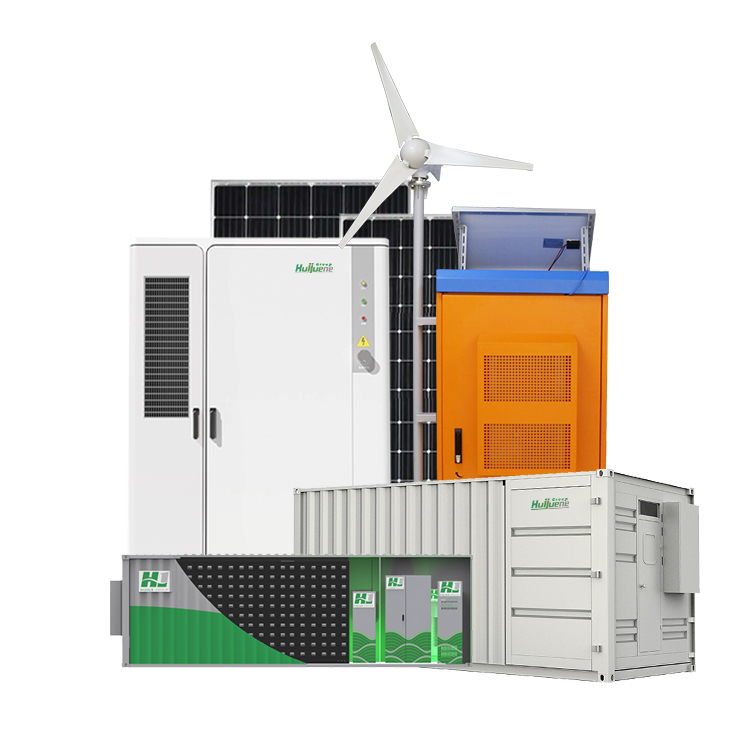
Huijue's Smart BESS systems, for example, include integrated IoT capabilities that allow them to:
- Monitor battery health in real-time
- Communicate with grid control systems
- Participate in automated demand response programs
- Optimize operations based on grid conditions
Data Analytics and AI: Transforming Grid Operations
The volume of data generated by Romania's smart grid creates opportunities for advanced analytics:
Predictive Maintenance
AI algorithms analyze data from transformers, switches, and other grid equipment to predict failures before they occur. This reduces outages and maintenance costs while improving reliability.
Load Forecasting
Machine learning models predict electricity demand with 98.5% accuracy, enabling better planning and optimization of generation and storage resources.
Renewable Integration
Advanced forecasting of solar and wind generation allows for more efficient utilization of these variable resources, reducing curtailment and maximizing value.
Market Optimization
AI systems analyze electricity prices, grid conditions, and market opportunities to optimize BESS operation for maximum revenue.
Blockchain and Distributed Energy Trading
Romania is piloting blockchain-based energy trading platforms that enable:
- Peer-to-Peer Trading: Direct exchange of electricity between consumers
- Automated Settlement: Secure, transparent transaction processing
- Grid Services Markets: Decentralized platforms for ancillary services
- Carbon Credit Trading: Transparent tracking and exchange of environmental attributes
These platforms create new revenue streams for Smart BESS owners and enable more efficient utilization of distributed energy resources.
Cybersecurity in the Digital Grid
With increased digitalization comes increased cybersecurity risks. Romania's approach includes:
- Multi-Layered Security: Protection at device, network, and application levels
- Continuous Monitoring: Real-time detection of potential threats
- Incident Response: Rapid containment and recovery capabilities
- Regulatory Framework: Clear requirements and standards for all participants
Huijue's systems incorporate advanced security features, including encrypted communications, secure boot processes, and regular security updates.
Integration with Building Management Systems
Romania's commercial and industrial buildings are increasingly equipped with advanced BMS that can integrate with Smart BESS:
- Energy Optimization: Coordinated control of HVAC, lighting, and storage
- Demand Response: Automated participation in grid flexibility programs
- Occupancy-Based Control: Adjusting systems based on real-time usage patterns
- Predictive Maintenance: Early detection of equipment issues
This integration creates synergistic benefits, improving both energy efficiency and operational performance.
The Role of 5G in Grid Communications
Romania's 5G rollout provides critical infrastructure for smart grid applications:
- Low Latency: Enables real-time control of distributed resources
- High Reliability: Ensures consistent communication even in challenging conditions
- Massive Connectivity: Supports millions of connected devices
- Network Slicing: Creates dedicated virtual networks for critical applications
For Smart BESS systems, 5G enables:
- Sub-second response times for grid services
- Reliable communication in remote locations
- Integration with other smart infrastructure
- Support for advanced applications like vehicle-to-grid
Standardization and Interoperability
Romania's adoption of international standards ensures compatibility and interoperability:
- IEC Standards: For grid equipment and communication protocols
- ENTSO-E Requirements: For grid connection and operation
- OpenADR: For demand response applications
- IEEE Standards: For advanced grid functions and safety
Huijue's systems are designed to comply with all relevant standards, ensuring seamless integration with Romania's evolving grid infrastructure.
Case Study: Digital Grid Integration in Bucharest
The Bucharest Grid Modernization Project demonstrates Romania's digital transformation in action:
Project Overview
- Scope: Modernization of distribution networks serving 1.2 million consumers
- Investment: €450 million (2024-2027)
- Key Components:
- Smart meters for all consumers
- Advanced sensors across the network
- Real-time control systems
- Integration platforms for distributed resources
Results Achieved
- Outage Reduction: 65% decrease in duration
- Energy Efficiency: 18% improvement in network losses
- Renewable Integration: 45% increase in distributed generation capacity
- Customer Satisfaction: 92% approval rating for new services
Smart BESS Integration
The project included specific provisions for Smart BESS integration:
- Standardized Interfaces: For easy connection to the grid
- Communication Protocols: For real-time data exchange
- Market Participation: For access to grid services revenues
- Monitoring Platforms: For performance tracking and optimization
Future Developments: Grid Edge Intelligence
Looking ahead, Romania's digital grid evolution is focusing on:
Edge AI
Deploying artificial intelligence capabilities directly at grid edge devices for faster decision-making and reduced communication requirements.
Digital Twins
Creating virtual replicas of physical grid assets for simulation, optimization, and training purposes.
Autonomous Grid Operations
Implementing self-healing, self-optimizing capabilities that reduce human intervention and improve reliability.
Quantum Computing
Exploring applications for optimization problems that are computationally intensive for classical computers.
The Business Case for Digital-Ready Smart BESS
For businesses investing in Smart BESS in Romania, digital readiness provides:
Enhanced Revenue Opportunities
Access to multiple grid services markets through automated participation platforms.
Improved Operational Efficiency
Integration with building management systems and industrial processes for optimized energy use.
Reduced Maintenance Costs
Predictive capabilities that identify issues before they cause failures or performance degradation.
Future-Proof Investments
Systems designed to integrate with evolving grid capabilities and business models.
Competitive Advantage
Early adoption of technologies that will become standard requirements in the future.
Implementation Considerations
Technology Selection
Choose systems with:
- Open communication protocols
- Standardized interfaces
- Scalable architectures
- Security by design
Partnership Strategy
Work with partners who have:
- Local experience and knowledge
- Integration capabilities
- Support networks
- Innovation track record
Regulatory Navigation
Stay informed about:
- Evolving standards and requirements
- Market design changes
- Subsidy program updates
- Compliance obligations
The Romanian Advantage in Digital Grid Development
Several factors position Romania favorably for digital grid leadership:
Technical Talent
Romania's strong IT sector provides skilled professionals for digital grid development and operation.
EU Alignment
Access to EU funding and alignment with European standards and best practices.
Geographic Position
Strategic location between Western Europe and emerging Eastern markets.
Innovation Culture
Growing ecosystem of startups and technology companies focusing on energy innovation.
Conclusion: The Convergence of Digital and Physical Infrastructure
Romania's digital grid revolution is creating unprecedented opportunities for Smart BESS deployment. By building advanced digital infrastructure, the country is enabling:
- More efficient utilization of renewable energy resources
- New business models and revenue streams for storage owners
- Improved grid reliability and resilience
- Enhanced energy security and independence
- Environmental benefits through optimized operations
For businesses, the message is clear: Romania's digital grid transformation isn't just background infrastructure—it's a critical enabler of Smart BESS value. Systems designed for this environment can deliver superior performance, enhanced revenues, and future-proof capabilities.
The convergence of digital and physical infrastructure represents a fundamental shift in how energy systems operate. In Romania, this convergence is creating one of Europe's most advanced environments for energy storage innovation, with benefits that extend far beyond individual projects to the entire energy system and economy.


 Inquiry
 Online Chat