


As the sun rises over the industrial corridors of Lagos, Agbara, and Kano in April 2026, a familiar acoustic signature dominates the horizon: the collective roar of heavy-duty diesel generators. For decades, this sound was synonymous with productivity, the only reliable heartbeat for a manufacturing sector largely abandoned by the national grid. However, in the current fiscal climate, that roar has become the sound of capital erosion. Nigeria’s industrial landscape is currently grappling with a ₦850 billion to ₦1.1 trillion annual diesel expenditure, a staggering figure that represents nearly 70% of total national diesel consumption dedicated solely to self-generation.
The economic narrative of 2026 is defined by a radical divergence between traditional fossil fuel reliance and the plummeting costs of Renewable Energy (RE) infrastructure. While diesel prices remain tethered to global oil volatility and localized logistics premiums—averaging ₦255 per litre in Lagos and up to ₦270 in northern hubs like Kano—the Levelized Cost of Electricity (LCOE) for solar hybrid systems has reached an unprecedented low. For Nigerian manufacturers, the transition from diesel to solar is no longer a gesture toward corporate social responsibility; it is a clinical, data-driven mandate for business survival in an increasingly thin-margin economy.
The Anatomy of the Diesel Trap: Why the Hidden Costs are Killing Industry
Most Nigerian CFOs historically viewed diesel as a variable operational expense, yet a granular audit of 2026 data reveals a much more predatory cost structure. The "apparent" cost—the pump price of fuel—is merely the tip of the iceberg. To understand the true Total Cost of Ownership (TCO) of a diesel-led power strategy, one must account for the diminishing efficiency of aging generator fleets. A standard 100kW industrial generator typically yields 3 to 4 kWh per litre. At ₦250 per litre, the fuel component alone sits at ₦62 to ₦85 per kWh. However, when you integrate the amortization of the ₦12 million capital outlay for the unit, the rising cost of specialized filters, and the ₦360,000 monthly labor overhead for operators and fuel security, the "Real-World Cost" escalates to ₦118 per kWh.
Beyond the ledger, the indirect costs of diesel addiction are stifling Nigerian industrial growth. Noise pollution in high-density zones like Mushin or Onitsha leads to documented reductions in cognitive productivity and increased healthcare liabilities for the workforce. Furthermore, the logistical risk of fuel adulteration and theft adds a layer of "integrity tax" that solar installations inherently eliminate. In a 2026 market where regional competitors in Ghana and South Africa are optimizing their energy mixes, Nigerian firms paying ₦118/kWh are effectively subsidizing their own obsolescence.
The 2026 Solar Breakthrough: Technical and Financial Parity
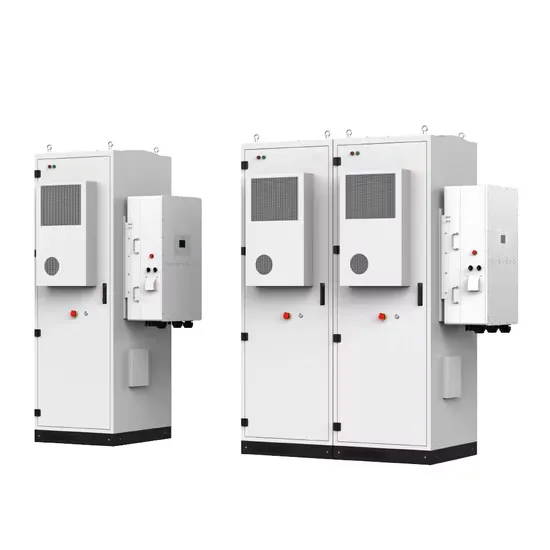
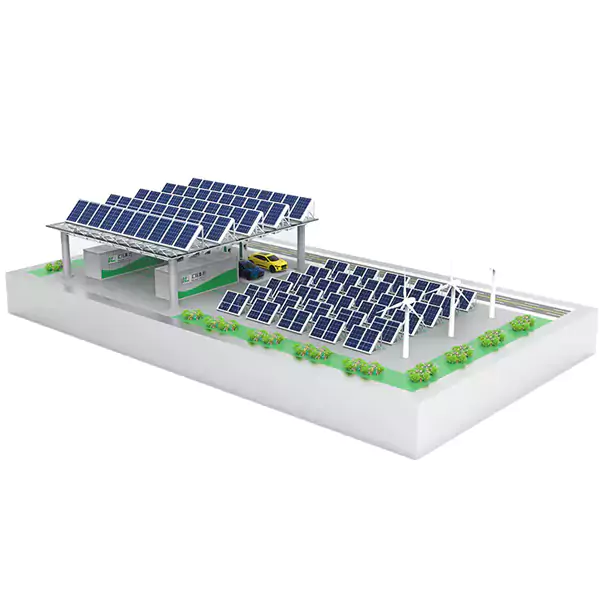
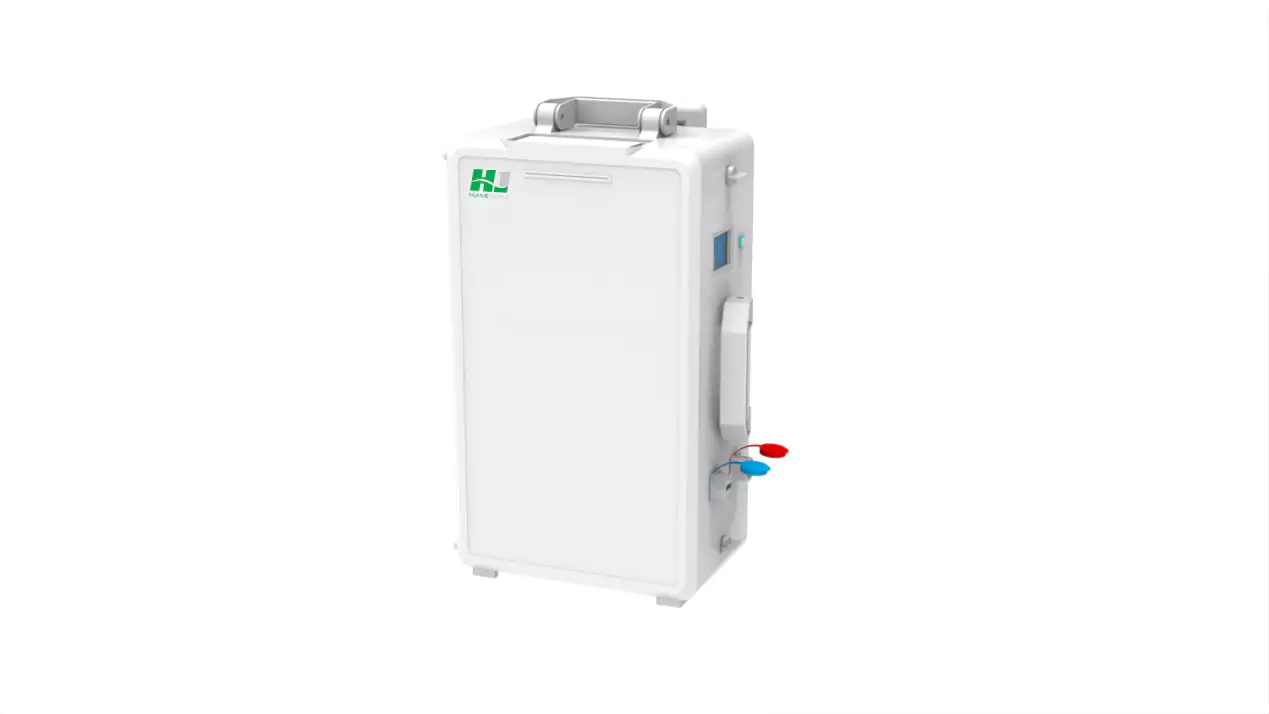
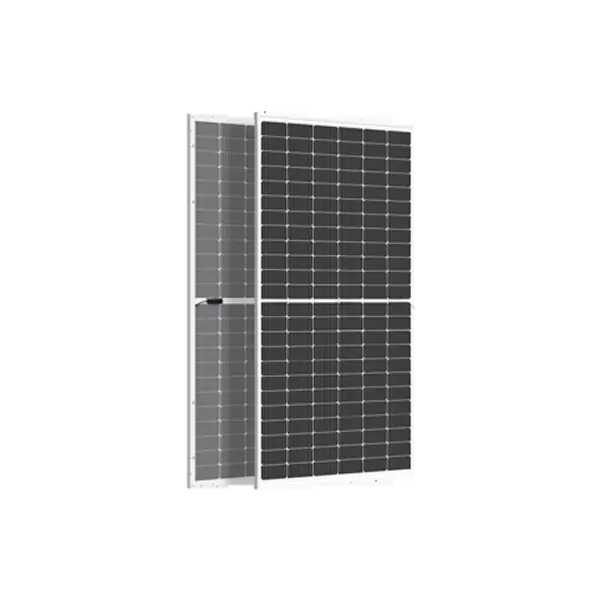
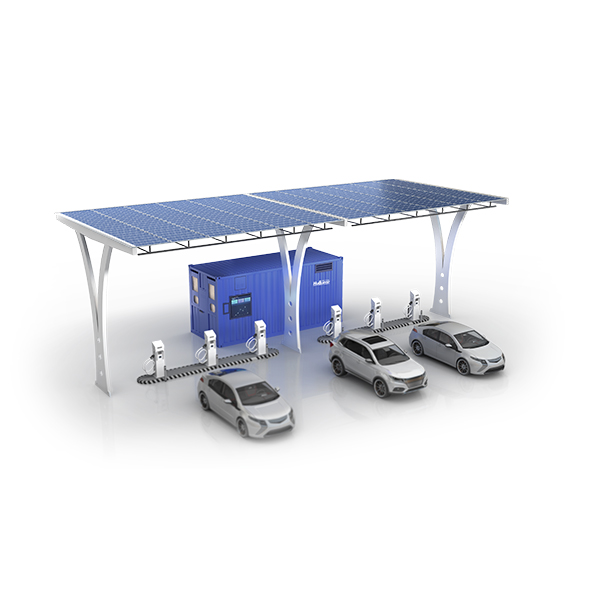
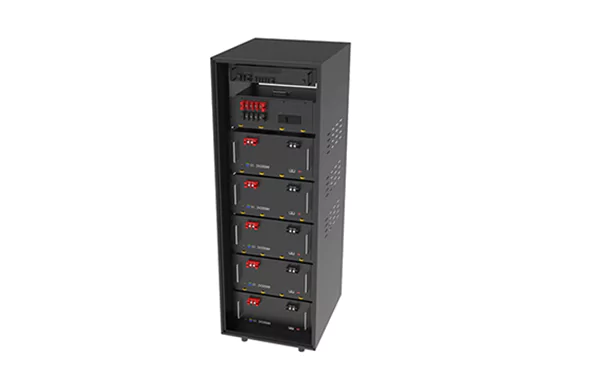
The technological landscape of April 2026 has provided the Nigerian market with two critical weapons: High-Efficiency Mono PERC Bifacial Panels and Lithium Iron Phosphate (LFP) Long-Life Storage. Unlike the lead-acid batteries of the past decade, modern LFP cells offer over 6,000 cycles at 80% depth of discharge, allowing factories to run energy-intensive machinery through the night without the fear of sudden voltage drops. The current installation cost for industrial-grade solar has stabilized at approximately ₦280,000 per kW installed, a price point that was unthinkable just five years ago.
When we examine the generation economics, the shift is undeniable. Nigeria’s geographic position provides an average of 5 peak sun hours daily. A 100kW solar array generates roughly 1,500 kWh annually per installed kW. When coupled with a 200kWh battery bank to ensure 24/7 autonomy, the comprehensive solar LCOE drops to ₦55–₦75 per kWh. This represents a 40% to 60% saving over diesel. For a medium-scale plastic manufacturing plant, this transition translates to an annual bottom-line injection of ₦13.4 million—capital that is currently being literally "burned" in the exhaust pipes of Tier-2 generators.
Government Policy: The Fiscal Windfall for Early Adopters
The Federal Government of Nigeria, recognizing the catastrophic impact of energy costs on the GDP, has introduced the 2026 Renewable Energy Fiscal Framework. This policy has fundamentally altered the ROI calculations for industrial solar projects. Most notably, the removal of the 20% import duty on solar components and the 7.5% VAT exemption on green technology has slashed upfront capital requirements by nearly a quarter. Furthermore, the 95% Accelerated Depreciation Allowance allows businesses to write off almost the entire cost of their solar asset against their taxable income in the very first year of operation.
State-level initiatives are adding further momentum. The Lagos Industrial Solar Initiative (LISI) now provides direct capital grants for projects exceeding 50kW, covering up to 20% of the total cost. Perhaps most exciting is the emergence of the Lagos Carbon Trading Platform. Under this scheme, a factory that replaces a 200kW diesel generator with a solar-storage hybrid can generate "Verified Emissions Reductions" (VERs). These certificates are tradable, potentially providing an additional revenue stream of ₦1.5 million to ₦3 million annually, essentially getting paid by global compliance buyers to save money on your own energy bill.
Strategic Roadmaps: Navigating the Transition
The migration from a "Diesel-First" to a "Solar-First" architecture requires a phased approach to avoid operational disruption. The first 30 days are dedicated to a High-Fidelity Energy Audit. This involves installing IoT-enabled smart meters to map the "load signature" of the factory. For instance, heavy inductive loads like motors and compressors should be scheduled for mid-day when solar irradiance is at its peak, minimizing the strain on battery banks. This "Load Shifting" technique alone can reduce the required battery capacity by 15%, further accelerating the payback period.
Phase two involves the procurement of Tier-1 hardware. In the 2026 market, the focus has shifted toward "Smart Hybrid Inverters" that can seamlessly blend power from solar, the grid, and a backup generator (kept only for extreme emergencies). By month four, the system is typically commissioned, and the factory enters the "Optimization Phase." Here, predictive analytics tools use weather forecasting to determine when to charge batteries from the grid (if available and cheap) versus when to rely solely on the sun. This level of granular control turns energy from an unpredictable variable into a fixed, manageable asset.
Case Studies: Real-World ROI in Nigeria’s Industrial Hubs
In Lagos, a leading plastic manufacturer recently commissioned a 200kW solar array with 400kWh of LFP storage. Previously, the facility spent ₦4.05 million monthly on diesel and maintenance. After pivoting to solar, their monthly energy spend—including the financing repayments for the equipment—dropped to ₦1.8 million. Within 3.7 years, the system will be fully paid off, after which their energy will be virtually free for the remaining 20 years of the panels' lifespan. More importantly, the stable power supply led to a 15% improvement in production quality, as voltage fluctuations from the old generators previously caused significant wastage in the extrusion line.
In Abuja, a cold storage facility faced 12% product spoilage due to intermittent generator failures. By installing a 250kW solar-centric microgrid, they not only saved ₦4.1 million in monthly fuel costs but also reduced spoilage to near-zero. The reliability of solar-plus-storage allowed them to extend their business hours and secure contracts with international pharmaceutical companies that require strict, uninterrupted cold-chain compliance. These examples prove that solar is not just a cost-saving measure—it is a revenue-enabling infrastructure.
The Future: From Cost Centers to Power Plants
The final stage of this energy evolution is the transition of factories from passive consumers to Prosumers. With the 2026 Net Metering regulations now in effect, industrial facilities with excess roof space can sell surplus power back to the regional DisCo (Distribution Company). At an export rate of ₦85 to ₦105 per kWh, a factory can effectively become a mini-power plant during weekends or holiday shutdowns. This transforms the factory roof from an idle asset into a high-yield investment vehicle.
Conclusion: The Imperative of Action
The data of April 2026 is unambiguous: the era of the diesel-only industrial strategy has ended. For Nigerian business leaders, every day spent tethered to the ₦850 billion diesel addiction is a day of lost competitive advantage. The transition to solar-plus-storage offers a 25–35% annual ROI, 40-60% immediate reduction in overheads, and long-term protection against the inevitable rise of fossil fuel prices. The technology is mature, the government incentives are at their peak, and the financial structures—from green bonds to soft loans—are ready to be tapped. The only remaining variable is the speed of leadership. Will your facility be powered by the expensive, noisy, and volatile fuels of the past, or the clean, predictable, and profitable energy of the future?
Would you like me to generate a specific 10-year financial projection model or a technical RFP (Request for Proposal) template for your solar transition?



 Inquiry
 Online Chat