


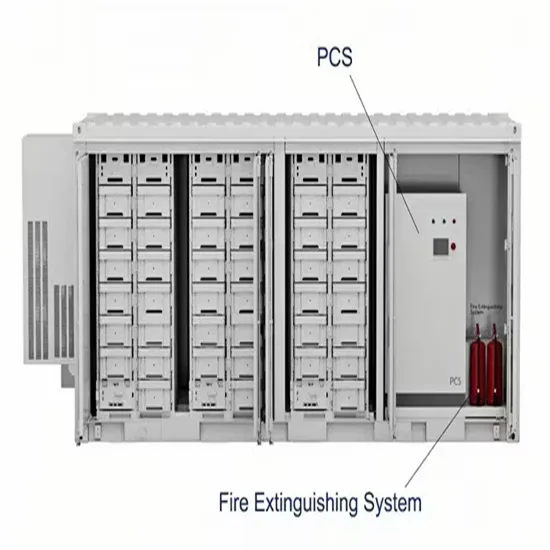
The ₦18 Billion Opportunity: Lighting Up Nigeria's Unconnected Villages
Imagine a typical rural Nigerian village in 2026: 1,200 residents, no grid connection, reliant on expensive diesel generators that run 4-6 hours daily at ₦350-₦450 per litre. Children study by kerosene lamps, clinics can't refrigerate vaccines, businesses close at sunset, and economic potential remains trapped in darkness. The annual cost? Approximately ₦18 million in diesel expenditure for a village this size—money that could instead fund education, healthcare, and local enterprise development.
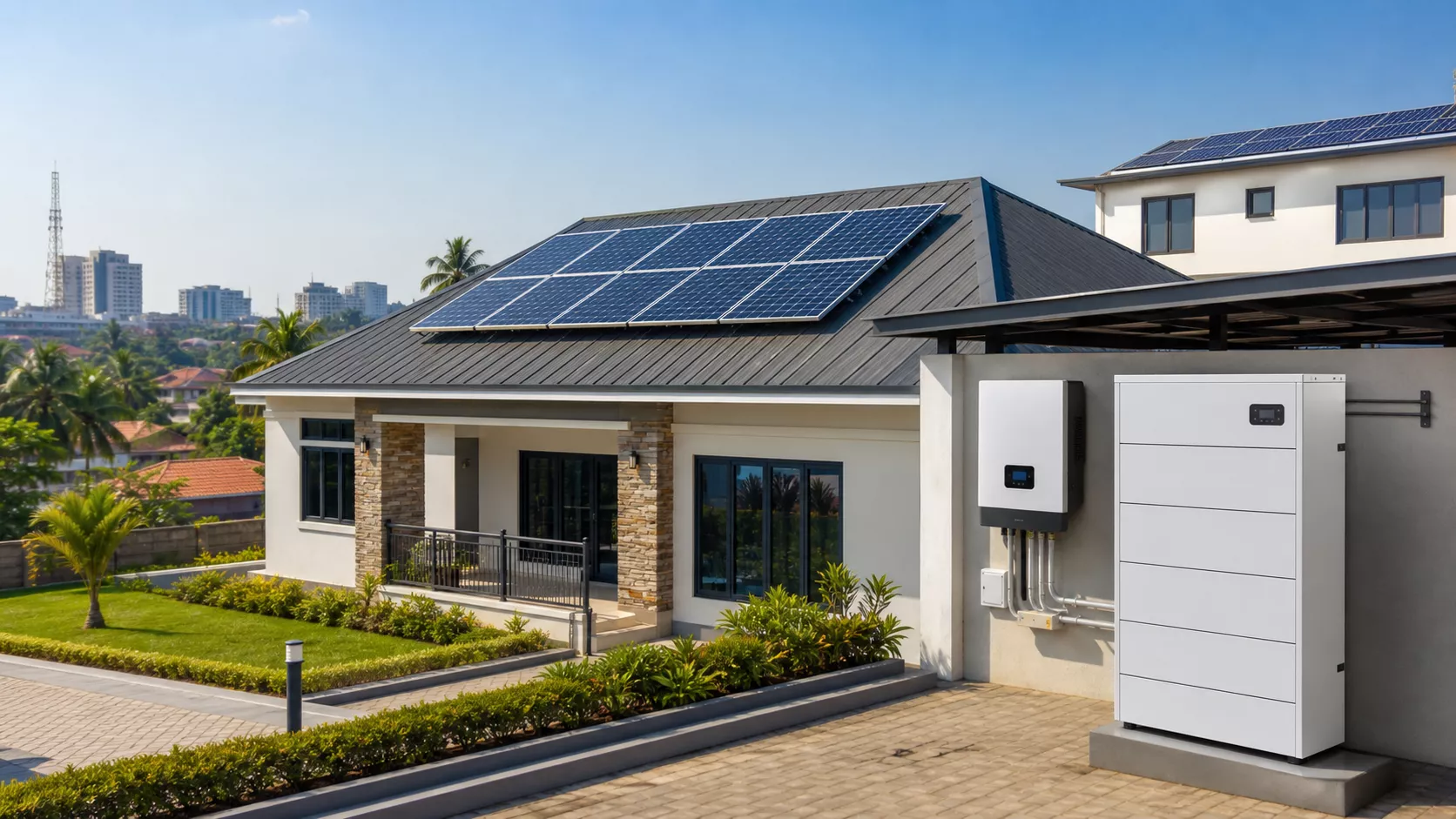
Now envision that same village in 2027: 24/7 electricity from a solar-powered microgrid with battery storage. Streetlights illuminate safe pathways, refrigerators preserve food and medicine, small workshops operate into the evening, students access digital learning resources, and economic activity hums from dawn to midnight. This transformation isn't theoretical—it's the target of Nigeria's ambitious microgrid development program aiming to connect 500 villages (approximately 250,000 people) by 2027.
The scale of this opportunity is staggering: Nigeria has approximately 85 million people without reliable electricity access—more than the entire population of Germany. The economic cost of this energy poverty is estimated at ₦2.8-₦3.5 trillion annually in lost productivity and economic activity. Microgrids represent the most viable solution for rural electrification, with solar+storage systems now economically competitive with traditional grid extension in remote areas.
Understanding Nigeria's Microgrid Ecosystem
What Makes a "Microgrid" in Nigerian Context?
Unlike traditional grid extensions that require hundreds of kilometers of transmission lines, microgrids are localized energy systems that can operate independently or in coordination with the main grid. Key characteristics:
Technical definition:
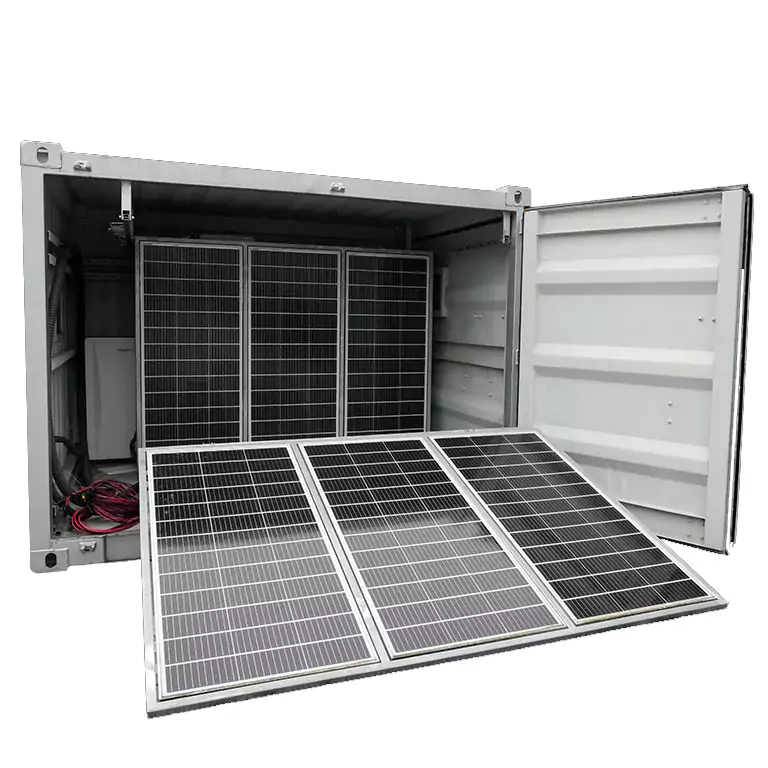
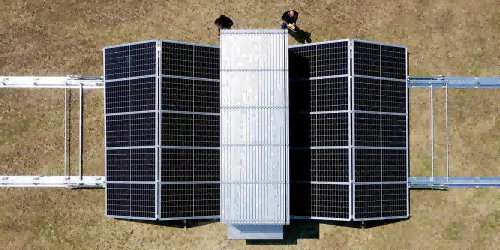
- Generation: 50-500kW solar PV with battery storage
- Distribution: 0.4kV low-voltage network within 5km radius
- Control: Advanced energy management system
- Operation: Can operate islanded or grid-connected
- Scale: Typically serves 100-2,000 customers
Business models:
- Community-owned: Villagers collectively own and operate
- Utility-owned: Distribution companies (DisCos) develop and operate
- Private developer: Independent power producers (IPPs) build and sell power
- Hybrid: Public-private partnerships with shared ownership
The 500-Village Target: Geographic and Technical Scope
Phase 1: 2026 - North West Zone (200 villages)
- States: Kaduna, Kano, Katsina, Jigawa, Kebbi, Sokoto, Zamfara
- Rationale: Highest energy poverty rates (85-95% without power)
- System sizes: 100-300kW depending on population
- Target population: 100,000 people connected
- Budget allocation: ₦36 billion ($24 million)
Phase 2: 2027 - North East & North Central (300 villages)
- States: Borno, Yobe, Adamawa, Bauchi, Niger, Plateau
- Special considerations: Security challenges require robust designs
- System sizes: 50-200kW (smaller due to security constraints)
- Target population: 150,000 people connected
- Budget allocation: ₦42 billion ($28 million)
System Design: Engineering for Rural Resilience
Solar Generation Components
Panel specifications:
- Technology: Monocrystalline PERC, 21.5%+ efficiency
- Wattage: 450-550W panels for optimal balance of cost and performance
- Mounting: Ground-mounted with anti-theft features
- Tracking: Fixed tilt optimized for local latitude
- Quantity: 200-1,100 panels depending on system size
Generation capacity examples:
- 100-person village: 20kW system (44 panels)
- 500-person village: 100kW system (222 panels)
- 1,000-person village: 200kW system (444 panels)
- 2,000-person village: 400kW system (889 panels)
Battery Storage Systems
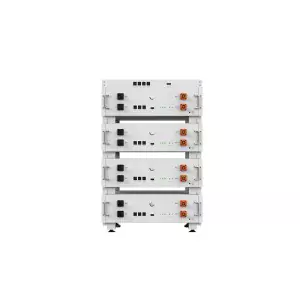
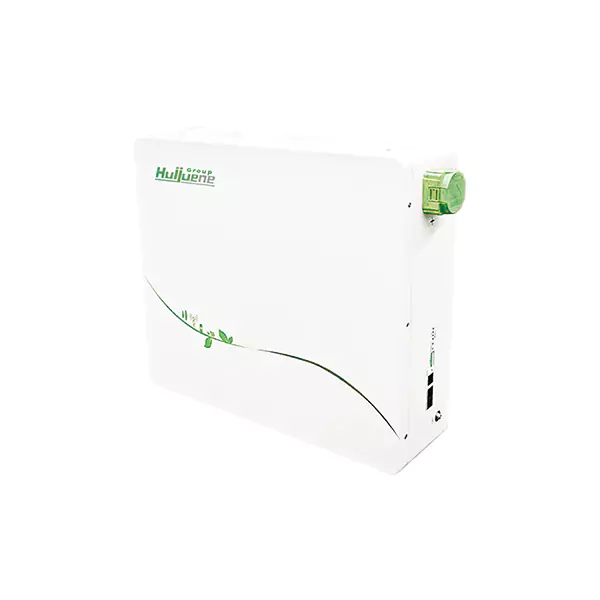
Technology selection: Lithium iron phosphate (LFP) preferred
- Safety: No thermal runaway, suitable for community settings
- Cycle life: 6,000+ cycles to 80% depth of discharge
- Maintenance: Minimal compared to lead-acid alternatives
Storage sizing methodology:
- Daily consumption: 0.5-1.0 kWh per capita (rural Nigeria)
- Autonomy: 2-3 days without sun (Nigerian climate)
- Example: 1,000-person village = 500-1,000 kWh daily = 1,000-3,000 kWh storage
Distribution Network Design
Low-voltage network:
- Voltage: 230/400V 3-phase where possible
- Conductors: ABC (aerial bundled cables) for safety and reliability
- Poles: Concrete or treated wood, 8-10m height
- Reach: Typically 2-5km from generation point
Connection standards:
- Household connections: Prepaid meters with 2-5kW capacity
- Commercial connections: Higher capacity for businesses
- Public lighting: LED streetlights on main pathways
- Community facilities: Schools, clinics, community centers prioritized
Financial Analysis: Costs, Funding, and Economics
Capital Cost Breakdown (Typical 200-person village)
Generation equipment (₦18 million):
- Solar panels (40kW): ₦6.4 million
- Mounting structure: ₦1.2 million
- Inverters & controllers: ₦2.4 million
- Subtotal generation: ₦10 million
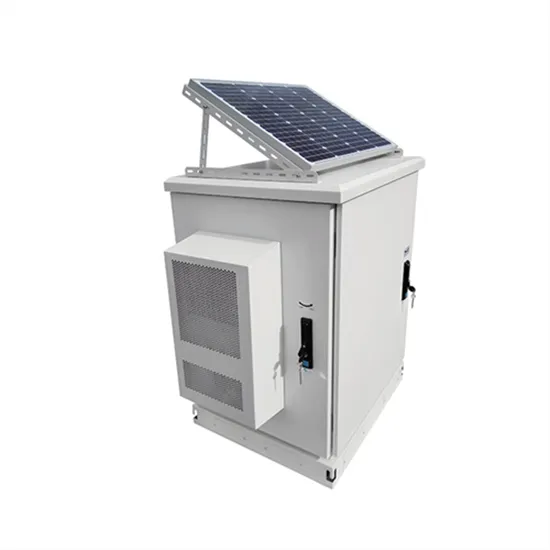
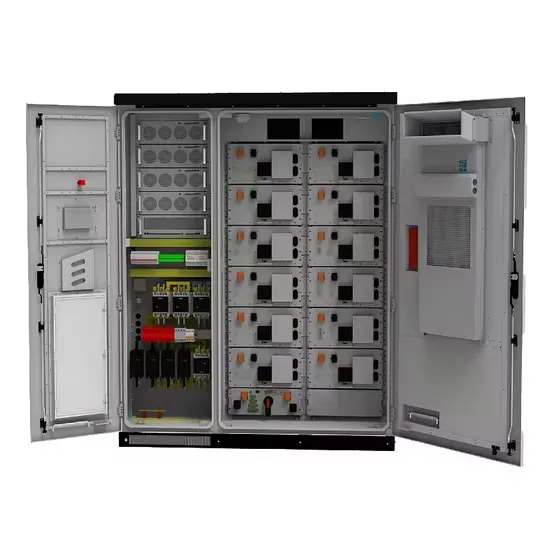
Storage system (₦24 million):
- Battery cells (80kWh): ₦9.6 million
- Battery management system: ₦2.4 million
- Power conversion: ₦4.8 million
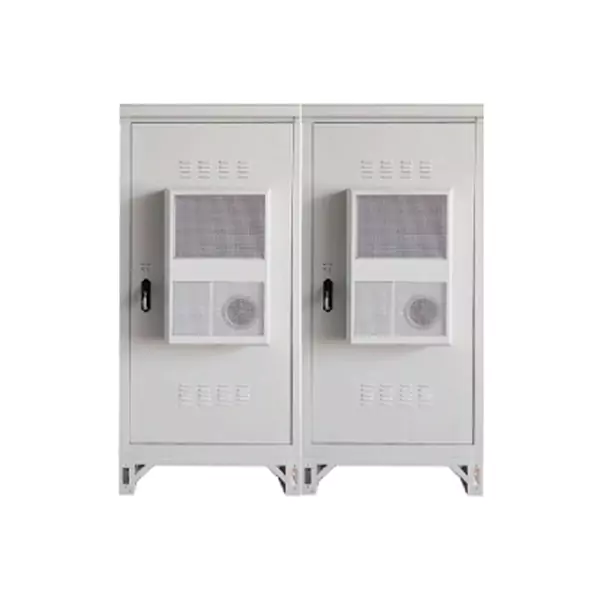
- Enclosure & cooling: ₦2.4 million
- Subtotal storage: ₦19.2 million
Distribution network (₦12 million):
- Poles and hardware: ₦3.6 million
- Conductors and cables: ₦4.8 million
- Meters and connections: ₦2.4 million
- Installation labor: ₦1.2 million
- Subtotal distribution: ₦12 million
Soft costs (₦6 million):
- Design and engineering: ₦1.8 million
- Project management: ₦1.8 million
- Community engagement: ₦1.2 million
- Contingency (10%): ₦1.2 million
- Subtotal soft costs: ₦6 million
Total capital cost: ₦60 million ($40,000)
Funding Sources and Structure
Government funding (50%):
- Federal Government: 30% via Rural Electrification Agency (REA)
- State Government: 15% matching funds
- Local Government: 5% contribution
- Total public funding: ₦30 million
Development finance (30%):
- World Bank: 15% via Nigeria Electrification Project
- African Development Bank: 10% concessional loans
- International donors: 5% grants
- Total development finance: ₦18 million
Community/private equity (20%):
- Community contributions: 10% (₦6 million) via connection fees
- Private developer equity: 10% (₦6 million)
- Total equity: ₦12 million
Tariff Structure and Affordability
Residential tariff design:
- Lifeline tariff: ₦20/kWh for first 5kWh daily (₦3,000 monthly)
- Standard tariff: ₦50/kWh for 5-15kWh daily (₦7,500-₦22,500 monthly)
- Commercial tariff: ₦70/kWh for businesses
- Comparison: Current kerosene/diesel cost = ₦150-₦250/kWh equivalent
Revenue projections (200-person village):
- Household connections: 40 households @ ₦7,500 average = ₦300,000 monthly
- Commercial connections: 10 businesses @ ₦15,000 average = ₦150,000 monthly
- Public facilities: 5 institutions @ ₦10,000 average = ₦50,000 monthly
- Total monthly revenue: ₦500,000
- Total annual revenue: ₦6 million
Operational Economics
Operating expenses (₦2.4 million annually):
- Maintenance: ₦1.2 million (2% of capital)
- Staff salaries: ₦600,000 (2 technicians)
- Administration: ₦300,000
- Insurance and taxes: ₦300,000
Financial performance:
- Annual revenue: ₦6 million
- Annual OPEX: ₦2.4 million
- Debt service: ₦2.16 million (12% of ₦18 million loan)
- Net operating income: ₦1.44 million
- Return on equity: 12% (₦1.44 million / ₦12 million)
- Breakeven: Year 4-5
Implementation Framework and Timeline
Phase 1: Community Engagement and Assessment (Months 1-2)
Community mobilization:
- Town hall meetings and awareness campaigns
- Formation of village energy committee
- Willingness-to-pay surveys
- Connection commitment agreements
Technical assessment:
- Load assessment and demand forecasting
- Site selection for generation facility
- Route planning for distribution network
- Environmental and social impact assessment
Phase 2: Design and Procurement (Months 3-4)
Detailed design:
- Technical specifications and drawings
- Equipment selection and sourcing
- Construction methodology planning
- Safety and quality assurance plans
Procurement process:
- Competitive bidding for equipment and contractors
- Contract negotiation and finalization
- Equipment ordering and delivery scheduling
- Mobilization planning
Phase 3: Construction and Installation (Months 5-6)
Site preparation:
- Land acquisition and clearing
- Foundation works for generation equipment
- Pole installation for distribution network
- Civil works for equipment housing
Equipment installation:
- Solar panel mounting and wiring
- Battery system installation and commissioning
- Distribution network construction
- Meter installation at customer premises
Phase 4: Commissioning and Operation (Months 7-8)
System commissioning:
- Testing and performance verification
- Safety inspections and certifications
- Staff training on operation and maintenance
- Customer orientation and billing system setup
Commercial operation:
- Meter activation and billing commencement
- Performance monitoring and optimization
- Maintenance program implementation
- Continuous improvement based on operational data
Economic Impact Analysis
Direct Economic Benefits
Job creation:
- Construction phase: 15-20 temporary jobs per village (3-6 months)
- Operations phase: 3-5 permanent positions per village
- Maintenance: 1-2 technicians living in community
- Entrepreneurship: 10-15 new small business opportunities
For 500 villages target:
- Construction jobs: 7,500-10,000 temporary positions
- Permanent jobs: 1,500-2,500 positions
- Indirect employment: 5,000-7,500 small business opportunities
- Total employment impact: 14,000-20,000 jobs
Productivity Enhancement
Agricultural sector:
- Cold storage: Reduces post-harvest losses from 40% to <10%
- Irrigation: Enables year-round farming instead of rain-fed
- Processing: Adds value to raw agricultural products
- Example impact: 5-tonne cold store increases farmer income by ₦2.5-₦3.5 million annually
Commerce and services:
- Extended business hours: From sunset closure to 8-10 PM operations
- New business types: Internet cafes, photocopy services, barber shops
- Service quality: Refrigeration for food sales, proper lighting for services
- Revenue increase: Typical small business revenue increases 50-100%
Social Development Benefits
Education:
- Study hours: 2-3 additional hours of evening study
- Digital literacy: Computer and internet access in schools
- Teacher retention: 30-40% lower turnover rates in electrified schools
- Student performance: 15-25% improvement in standardized test scores
Healthcare:
- Vaccine refrigeration: Reduces spoilage costs by ₦800,000-₦1.2 million annually
- Medical equipment: Enables diagnostic services previously unavailable
- Night-time care: 24-hour clinic operations possible
- Telemedicine: Specialist consultations via video link
Gender empowerment:
- Women's economic participation: Increases from 15-20% to 35-45%
- Time savings: Reduced time spent on fuel collection (3-4 hours daily)
- Safety: Street lighting reduces risks of evening activities
- Education: Girls' school attendance increases 20-30%
Technology Innovations for Nigerian Microgrids
Smart Metering and Payment Systems
Prepaid metering with mobile integration:
- USSD payment: ₦322123456# format for bill payment
- Token generation: 20-digit codes via SMS
- Low balance alerts: Automatic notifications at 20% balance
- Remote disconnect/reconnect: For non-payment or maintenance
Revenue management features:
- Tiered tariffs: Different rates for different consumption levels
- Time-of-use pricing: Incentives for off-peak consumption
- Cross-subsidization: Commercial users subsidize residential lifeline tariffs
- Performance monitoring: Real-time revenue tracking and reporting
Advanced Energy Management Systems
Predictive load management:
- Weather forecasting integration: Adjusts storage strategy based on solar predictions
- Load forecasting: AI-based prediction of daily consumption patterns
- Optimal dispatch: Determines most economical use of solar, storage, and backup
- Fault prediction: Identifies potential issues before they cause outages
Grid-forming capabilities:
- Black start: Ability to restart without external power source
- Frequency regulation: Maintains stable frequency without grid reference
- Voltage control: Manages voltage levels across distribution network
- Harmonic filtering: Improves power quality for sensitive equipment
Hybrid System Integration
Diesel generator optimization:
- Smart paralleling: Seamless integration with existing generators
- Fuel optimization: Minimizes generator run hours to save fuel
- Maintenance scheduling: Predictive maintenance based on run hours
- Emission monitoring: Tracks and reports environmental performance
Future technology readiness:
- EV charging integration: Prepared for future electric vehicle adoption
- Hydrogen storage: Compatibility with emerging storage technologies
- Blockchain integration: For peer-to-peer energy trading
- IoT device integration: Smart appliances and load control
Policy and Regulatory Framework
National Policy Support
Nigerian Electricity Regulatory Commission (NERC) regulations:
- Mini-grid regulations 2023: Simplified licensing for <100kW systems
- Tariff methodology: Cost-reflective tariffs with social considerations
- Technical standards: Grid code for mini-grid interconnection
- Consumer protection: Standards for service quality and dispute resolution
Federal Government initiatives:
- Rural Electrification Fund: ₦50 billion allocation for 2026-2027
- National Mini-Grid Program: Target of 10,000 mini-grids by 2030
- Tax incentives: Import duty and VAT exemptions for mini-grid equipment
- Capacity building: Training programs for mini-grid developers and operators
State-Level Support Mechanisms
Lagos State example:
- One-stop approval: Consolidated permitting through single agency
- Land allocation: Streamlined process for mini-grid sites
- Matching grants: Up to 20% of project cost for qualifying communities
- Technical assistance: Support for feasibility studies and system design
Cross-state collaboration:
- Regional mini-grid corridors: Connecting villages across state boundaries
- Shared resources: Technical expertise and equipment pooling
- Standardized approaches: Common designs and procurement processes
- Knowledge sharing: Best practices and lessons learned exchange
Challenges and Mitigation Strategies
Challenge 1: Payment Collection in Cash-Based Economies
Solutions implemented:
- Mobile money integration: USSD-based payment systems
- Community collection agents: Trusted local individuals handle cash payments
- Flexible payment terms: Daily, weekly, or monthly payment options
- Social tariff design: Lifeline tariffs for poorest households
Challenge 2: Technical Skills in Remote Areas
Capacity building approaches:
- "Train the trainer": Master technicians training local apprentices
- Modular design: Systems designed for easy maintenance by semi-skilled workers
- Remote support: Technical assistance via video call and remote diagnostics
- Simplified interfaces: User-friendly controls and monitoring systems
Challenge 3: Security Concerns in Conflict Areas
Risk mitigation strategies:
- Community ownership: Reduced theft when community has equity stake
- Hardened designs: Anti-theft features and secure enclosures
- Local security arrangements: Community policing of infrastructure
- Modular deployment: Smaller, dispersed systems reduce risk concentration
Challenge 4: Load Growth Management
Scalability planning:
- Modular design: Ability to add capacity in 50kW increments
- Demand-side management: Load control and efficiency programs
- Phased implementation: Start with basic services, add capacity as demand grows
- Community education: Awareness of energy-efficient practices
The Bigger Picture: Nigeria's Energy Transition Strategy
Integration with National Grid Development
Future grid interconnection:
- Design standards: Microgrids built to eventual grid interconnection standards
- Distribution infrastructure: Ready-made network for future grid extension
- Generation assets: Distributed resources that can support main grid
- Revenue streams: Potential for selling excess power to national grid
Urban-Rural Economic Linkages
Economic integration:
- Raw material suppliers: Rural areas supply agricultural products to urban markets
- Markets for goods: Increased rural purchasing power creates urban market opportunities
- Tourism development: Electrified rural areas become tourism destinations
- Data collection: Rural microgrids as nodes for climate and agricultural data
Climate Resilience Building
Adaptation benefits:
- Drought resilience: Irrigation enables farming during dry seasons
- Flood response: Provides power for emergency communications and relief
- Temperature management: Cooling for heat-sensitive activities and storage
- Climate monitoring: Localized weather data collection and analysis
The Future: Scaling Beyond 500 Villages
Vision 2030: 10,000 Microgrids Nationwide
Expansion targets:
- 2028: 1,500 villages (750,000 people)
- 2029: 3,000 villages (1.5 million people)
- 2030: 10,000 villages (5 million people)
- Ultimate goal: Universal electricity access by 2035
Economic impact projection:
- Total investment: ₦3-₦4 trillion ($2-2.7 billion)
- Job creation: 280,000-400,000 permanent positions
- GDP contribution: 1.5-2.0% annual growth in connected communities
- Carbon reduction: 5-7 million tonnes CO₂ annually avoided
Technology Evolution Roadmap
2026-2027: Current technology deployment
- Solar PV + lithium-ion storage
- Basic smart metering and payment systems
- Community-based operation and maintenance
2028-2029: Advanced technology integration
- AI-based energy management
- Peer-to-peer energy trading
- Electric vehicle charging infrastructure
- Green hydrogen production pilot projects
2030+: Next-generation systems
- Floating solar on water bodies
- Advanced storage technologies (flow batteries, compressed air)
- Integrated water-energy-food systems
- Digital twin optimization platforms
The Bottom Line: A Model for African Development
Nigeria's microgrid development program represents more than just rural electrification—it's a comprehensive model for inclusive economic development that could be replicated across sub-Saharan Africa, where 600 million people still lack electricity access.
The economic case is compelling:
- Cost per connection: ₦240,000-₦300,000 ($160-$200) vs ₦720,000-₦900,000 ($480-$600) for grid extension
- Job creation: 5-7 jobs per 100 connections created
- GDP impact: 1.5-2.0% growth in electrified communities
- Social return: ₦4-₦5 in benefits for every ₦1 invested
For international development partners, the lessons are clear: targeted investment in solar+storage microgrids, combined with local capacity building and innovative financing, can rapidly transform energy access while creating sustainable economic opportunities.
For Nigeria, the path forward is equally clear: continue scaling successful models, integrate rural energy with broader development strategies, and leverage these investments to build a more inclusive, resilient, and prosperous economy.
The darkness that has constrained rural Nigeria for generations is finally being illuminated—not just by solar panels and batteries, but by the economic opportunities and human potential they unlock. The 500-village target for 2027 is just the beginning of a transformation that will light up Nigeria's future, one village at a time.


 Inquiry
 Online Chat