


Well, you know what's happening in Eastern Europe's energy sector? Romania is sort of becoming this unexpected powerhouse for smart battery energy storage systems. Actually, wait, no... let me rephrase that. Romania isn't just becoming a player—it's rapidly emerging as the region's most promising Smart BESS market, with projections suggesting it could reach €2.1 billion by 2026.
The Romanian Energy Paradox: Abundant Renewables, Grid Constraints
Picture this: Romania has this incredible renewable energy potential—over 5 GW of installed wind capacity and 3.2 GW of solar, with plans to double these figures by 2028. But here's the thing: the grid infrastructure, well, it's kind of struggling to keep up. You've got these massive wind farms in Dobrogea generating power when the grid can't always absorb it, and solar installations across Transylvania producing energy that sometimes gets curtailed.
What if I told you that Romania curtailed approximately 1.2 TWh of renewable energy in 2025 alone? That's enough electricity to power 400,000 Romanian households for an entire year. The economic loss? Somewhere around €85 million. Now, that's what we call a problem begging for a solution.
The Smart BESS Revolution: More Than Just Batteries
Smart BESS in Romania isn't just about storing energy—it's about intelligent energy management. We're talking about systems that can:
- Predict renewable generation patterns using AI algorithms
- Optimize charging/discharging based on real-time market prices
- Provide grid services like frequency regulation and voltage support
- Integrate with existing industrial processes for maximum efficiency
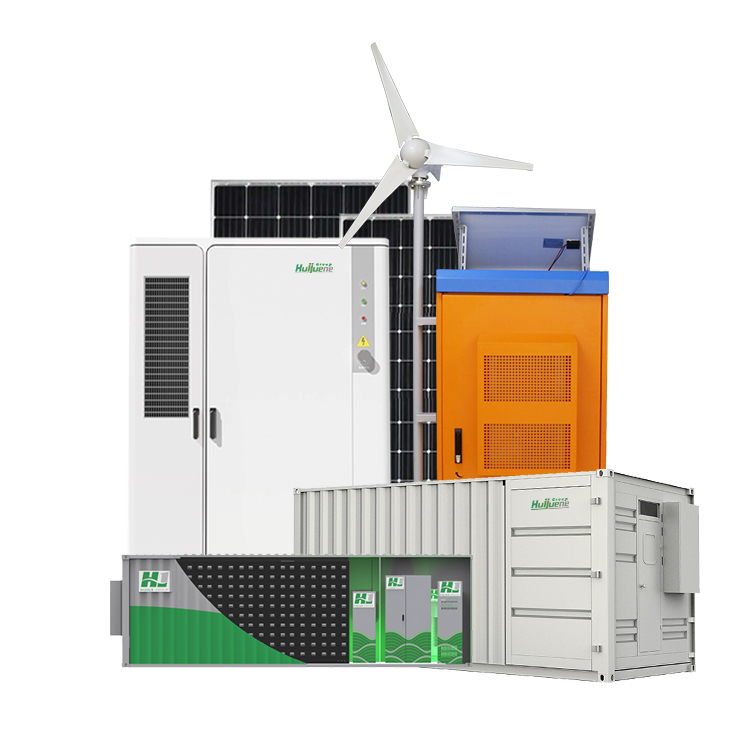
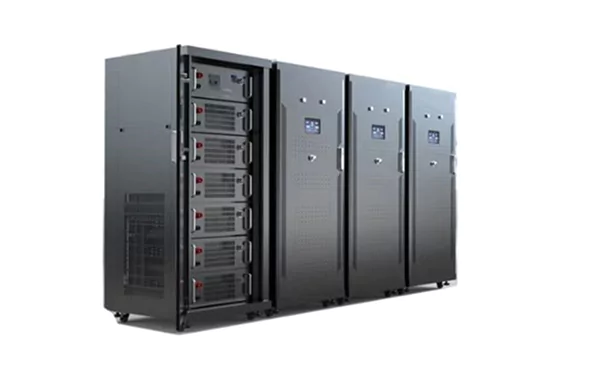
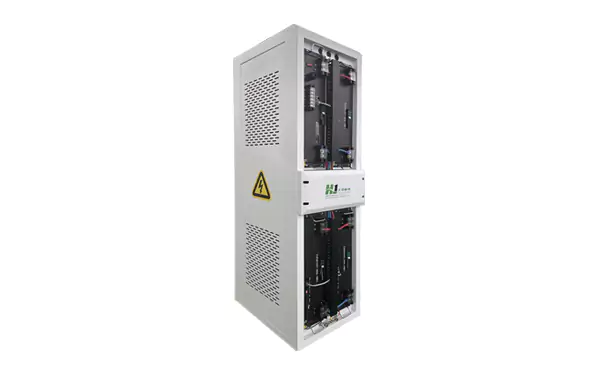
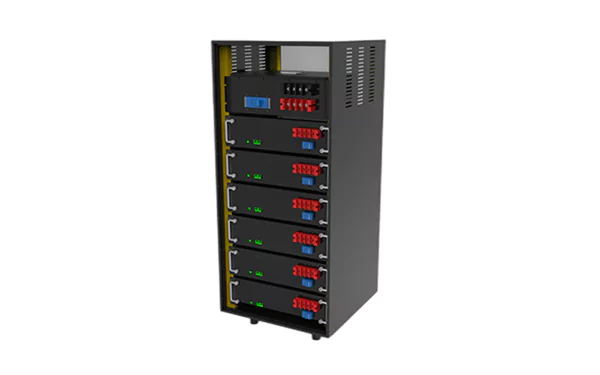
Huijue Group, for instance, has been deploying their HJ-EMS cloud platform in Romania, which sort of revolutionizes how businesses think about energy storage. Their systems don't just store power; they analyze consumption patterns, predict energy costs, and automatically optimize operations to maximize savings.
Market Drivers: Why Smart BESS is Exploding in Romania
1. EU Funding and Policy Support
The European Commission approved a €150 million subsidy scheme for Romania's battery storage projects in March 2026. This funding, combined with Romania's National Recovery and Resilience Plan allocations, creates this perfect storm of financial incentives for Smart BESS deployment.
2. Renewable Integration Mandates
Romania's energy regulator, ANRE, has implemented new rules requiring renewable projects above 10 MW to incorporate storage capabilities. This isn't just a suggestion—it's becoming a prerequisite for grid connection.
3. Commercial and Industrial Demand
Romanian businesses are facing electricity prices that have increased by 47% since 2023. For energy-intensive industries in sectors like manufacturing, metallurgy, and food processing, Smart BESS offers a compelling solution to manage these costs.
4. Grid Modernization Initiatives
Transelectrica, Romania's transmission system operator, is investing €2.3 billion in grid modernization between 2024-2027. A significant portion of this investment is earmarked for smart grid technologies that work in tandem with distributed storage systems.
The Economic Case: Numbers That Will Make You Rethink Everything
Let's break down the economics, shall we? A typical 1 MW/2 MWh Smart BESS installation in Romania:
- Capital Cost: €450,000-€600,000 (depending on configuration)
- Subsidies Available: Up to 40% through EU and national programs
- Annual Revenue Streams:
- Energy arbitrage: €85,000-€120,000
- Frequency regulation services: €35,000-€50,000
- Capacity market payments: €25,000-€40,000
- Payback Period: 3.5-5 years
- Internal Rate of Return: 18%-24%
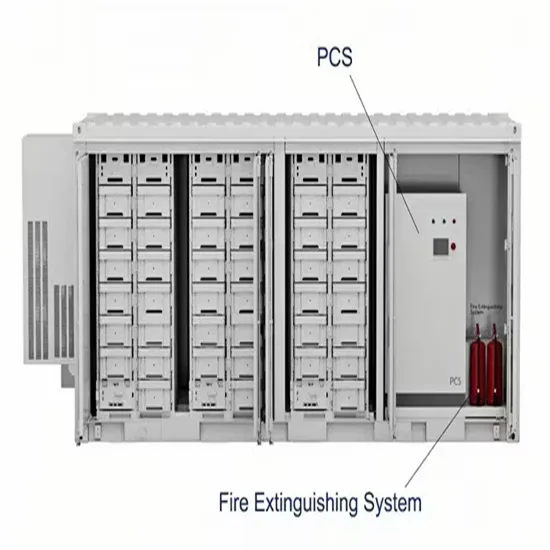
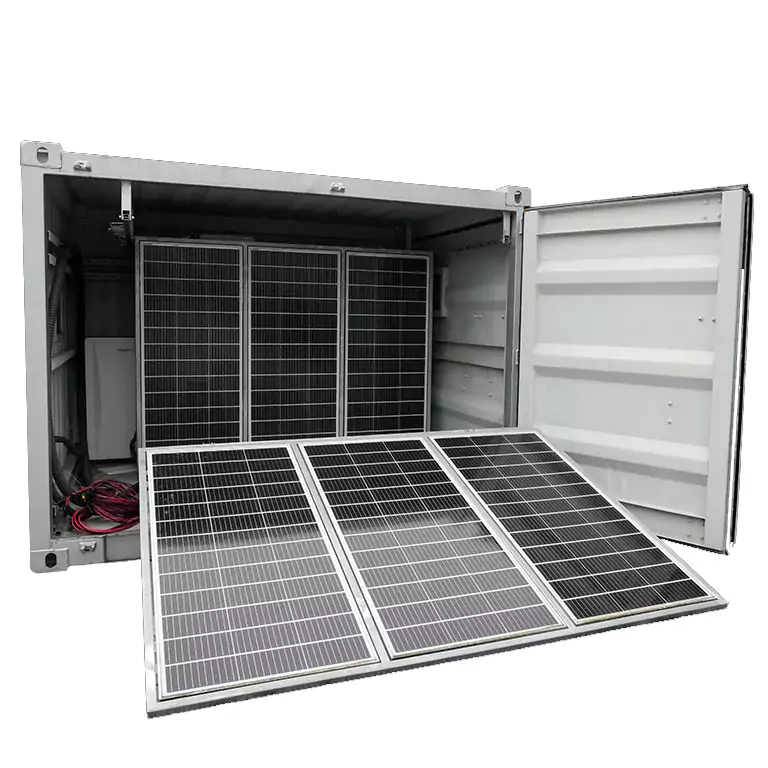
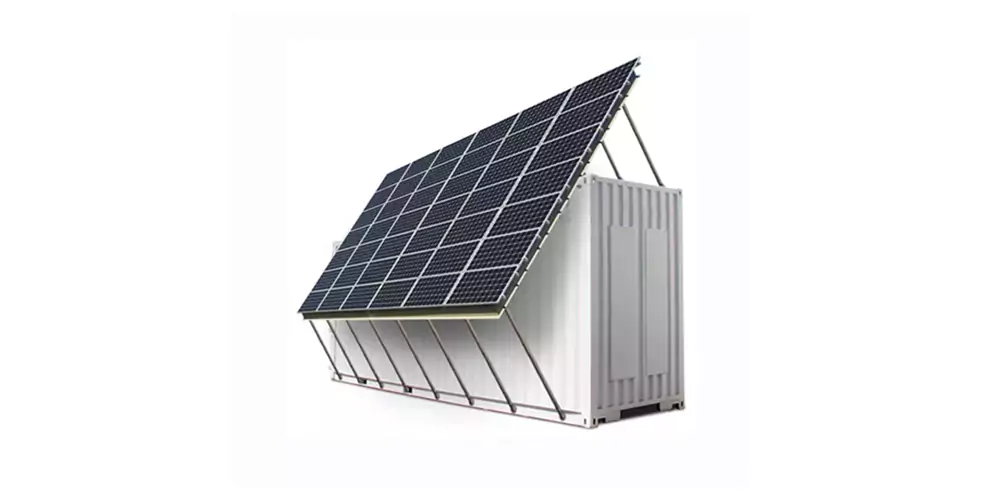
These numbers, well, they're not just theoretical. Companies like Huijue have documented cases where their 5MWh containerized systems achieved ROI in under 4 years for industrial clients in Romania.
Technology Integration: The Smart Grid Connection
What's particularly exciting about Romania's Smart BESS market is how it's integrating with broader digital transformation initiatives. The country is implementing Advanced Distribution Management Systems (ADMS) across its grid infrastructure, creating this digital backbone that enables:
- Real-time monitoring of distributed energy resources
- Automated demand response programs
- Predictive maintenance for storage systems
- Blockchain-enabled energy trading platforms
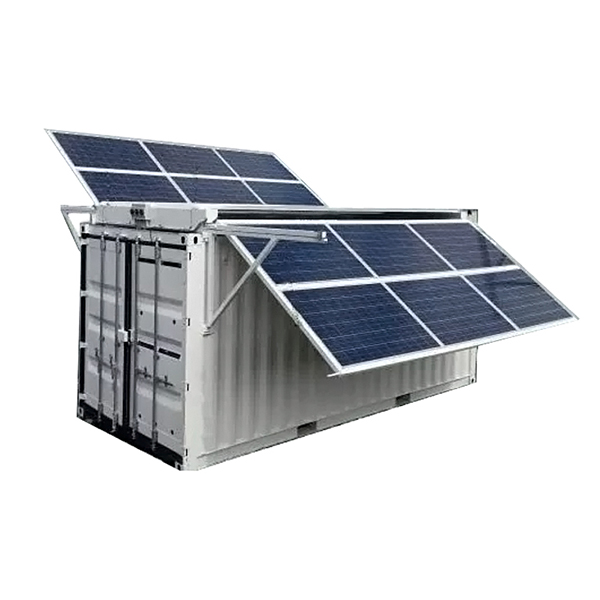
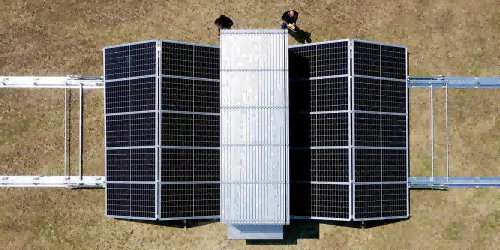
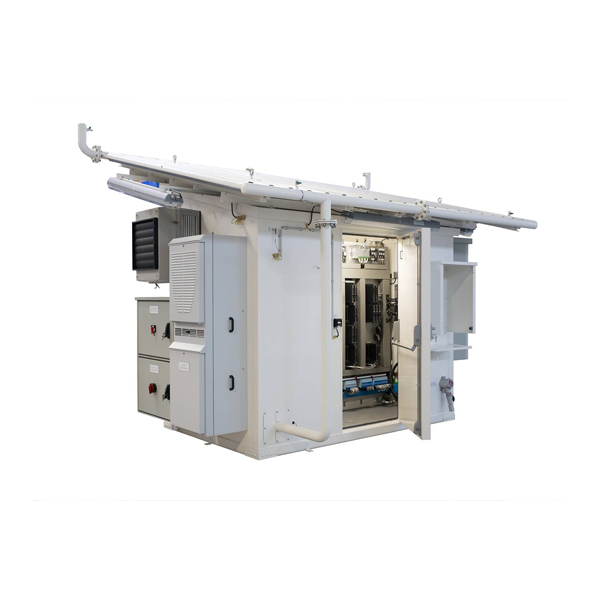
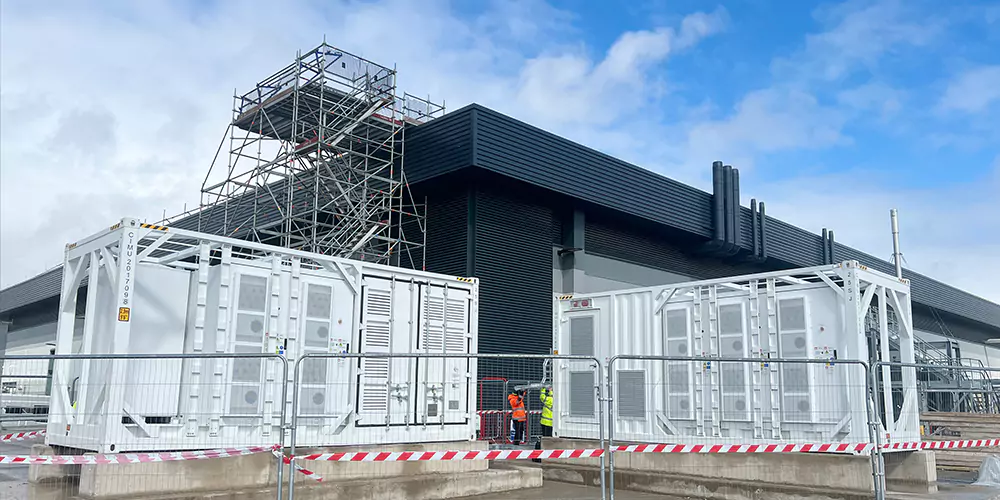
Huijue's systems, for example, are designed to seamlessly integrate with these smart grid platforms. Their HJ-G0-5000L containerized systems come with built-in communication protocols that allow them to participate in grid services markets automatically.
Case Study: Transforming a Romanian Manufacturing Plant
Consider a medium-sized manufacturing facility in Cluj-Napoca that was facing monthly electricity bills of €85,000. They partnered with Huijue to install a 2.5 MW/5 MWh Smart BESS system integrated with their existing solar array.
The results after 12 months:
- Electricity Cost Reduction: 42%
- Peak Demand Charges: Reduced by 68%
- Grid Independence During Outages: Increased from 0 to 4 hours
- Carbon Emissions: Reduced by 320 tons annually
- Additional Revenue: €28,000 from grid services
The plant manager described the system as "game-changing," noting that the intelligent controls allowed them to optimize not just for cost savings, but for production continuity during Romania's increasingly frequent grid disturbances.
Regulatory Landscape: Navigating Romania's Evolving Framework
Romania's energy storage regulations are evolving rapidly, but here's what you need to know:
- Connection Rules: Simplified procedures for BESS under 10 MW
- Market Participation: Storage can participate in both day-ahead and balancing markets
- Tax Incentives: Accelerated depreciation (3 years) for storage investments
- Export Tariffs: Favorable rates for stored energy exported to the grid
The Ministry of Energy has also established a dedicated task force to streamline permitting processes, with average approval times decreasing from 18 months to 6 months for storage projects.
The Huijue Advantage in Romania
Why are companies like Huijue particularly well-positioned for Romania's Smart BESS market? Several factors come into play:
1. Technology Adaptability: Their systems are designed for the specific voltage and frequency characteristics of Romania's grid (230V/50Hz with ENTSO-E compliance).
2. Local Partnerships: Huijue has established collaborations with Romanian engineering firms and maintenance providers, ensuring rapid response times and local expertise.
3. Financial Solutions: They offer flexible financing models, including OPEX-based solutions where customers pay per kilowatt-hour stored rather than upfront capital investment.
4. Performance Guarantees: 10-year performance warranties with guaranteed uptime of 98.5%.
Looking Ahead: The 2026-2030 Growth Trajectory
As we approach 2026, the Smart BESS market in Romania is expected to accelerate further. Industry analysts project:
- Installed Capacity: 1.2 GW by end of 2026, growing to 3.5 GW by 2030
- Investment Pipeline: €3.8 billion in announced projects
- Job Creation: 8,500 direct and indirect jobs in the storage sector
- Technology Adoption: 65% of new installations to feature AI-powered optimization
The convergence of favorable policies, technological advancement, and economic necessity creates this unprecedented window of opportunity for Smart BESS in Romania. Companies that act now stand to capture first-mover advantages in a market that's fundamentally reshaping how Romania generates, stores, and consumes electricity.
The transformation isn't just about energy—it's about positioning Romania as a leader in Europe's clean energy transition while creating substantial economic value for businesses and investors alike. With the right technology partners and strategic approach, the Smart BESS opportunity in Romania represents one of the most compelling investment stories in Europe's energy sector today.

 Inquiry
 Online Chat