


You know, when the European Commission gave Romania the green light for that €150 million battery storage subsidy scheme in March 2026, it sort of changed everything for energy investors. Actually, wait—let me be more precise. It didn't just change things; it created this unprecedented opportunity for businesses to deploy Smart BESS systems with up to 40% of costs covered by public funds.
The Policy Breakthrough: Understanding the March 2026 Decision
Well, here's what happened. On March 9, 2026, the European Commission approved State Aid SA.109175, allowing Romania to implement a comprehensive subsidy scheme for battery energy storage systems. The approval came after months of negotiations and represents a strategic move to accelerate Romania's energy transition while addressing grid stability concerns.
The scheme aims to support at least 2,174 MWh of new storage capacity by the end of 2027. That's not just a number—it's enough storage to power approximately 725,000 Romanian households for one hour during peak demand periods.
Eligibility Criteria: Who Can Apply and What Qualifies
Project Types Covered
The subsidy covers three main categories of BESS projects:
1. Standalone Storage Systems: Independent facilities not connected to specific generation assets
2. Co-located Storage: Systems paired with renewable energy projects (solar, wind, hydro)
3. Behind-the-Meter Storage: Commercial and industrial installations for self-consumption optimization
Technical Requirements
To qualify, systems must:
- Have minimum capacity of 100 kW/200 kWh
- Achieve round-trip efficiency of at least 85%
- Provide minimum 4-hour discharge duration at rated power
- Include advanced monitoring and control capabilities
- Comply with ENTSO-E grid code requirements
Applicant Eligibility
Eligible applicants include:
- Renewable energy project developers
- Commercial and industrial enterprises
- Energy service companies (ESCOs)
- Municipalities and public institutions
- Agricultural cooperatives with significant energy consumption
Financial Structure: How the €150 Million is Allocated
The subsidy scheme operates on a competitive tender basis with these key features:
- Maximum Subsidy Rate: 40% of eligible investment costs
- Minimum Private Contribution: 60% of total project costs
- Grant Ceilings:
- €500,000 per project for systems under 1 MWh
- €2 million per project for systems 1-10 MWh
- €5 million per project for systems over 10 MWh
- Eligible Costs:
- Battery systems and power conversion equipment
- Balance of plant components
- Grid connection infrastructure
- Software and control systems
- Professional services (engineering, permitting)
Application Process: Step-by-Step Guide
Phase 1: Pre-Qualification (April-June 2026)
1. Expression of Interest: Submit preliminary project details
2. Technical Feasibility Study: Demonstrate project viability
3. Financial Capacity Assessment: Prove ability to fund 60% share
Phase 2: Detailed Application (July-September 2026)
4. Complete Technical Documentation: System specifications, grid impact studies
5. Financial Plan: Detailed cost breakdown and funding sources
6. Implementation Timeline: 18-24 month project schedule
7. Operations Plan: 10-year maintenance and performance strategy
Phase 3: Evaluation and Award (October-December 2026)
8. Technical Evaluation: Independent assessment by Ministry of Energy experts
9. Financial Evaluation: Cost-effectiveness analysis
10. Environmental Assessment: Compliance with EU environmental standards
11. Award Decision: Notification of successful applicants
Strategic Considerations: Maximizing Your Application's Success
Technology Selection
Choosing the right technology stack significantly impacts your application's competitiveness. The evaluation criteria favor:
- Advanced Battery Chemistry: Lithium iron phosphate (LFP) with expected cycle life >6,000
- Smart Control Systems: AI-powered optimization and grid services capabilities
- Safety Features: Comprehensive fire suppression and thermal management
- Modular Design: Scalability for future capacity expansion
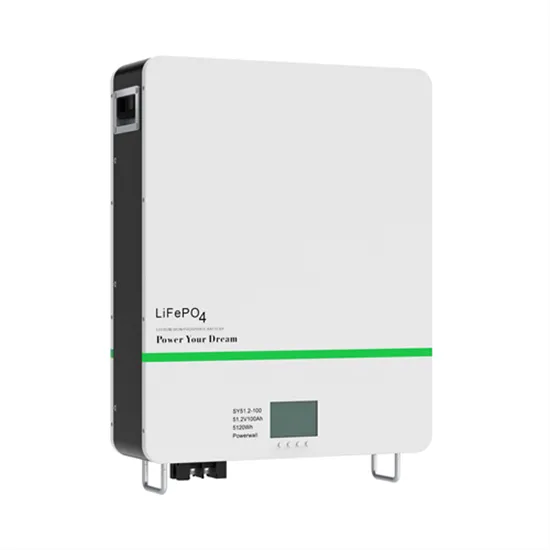
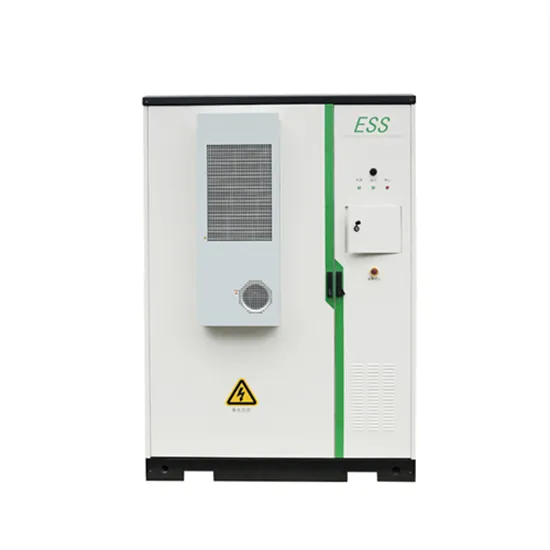
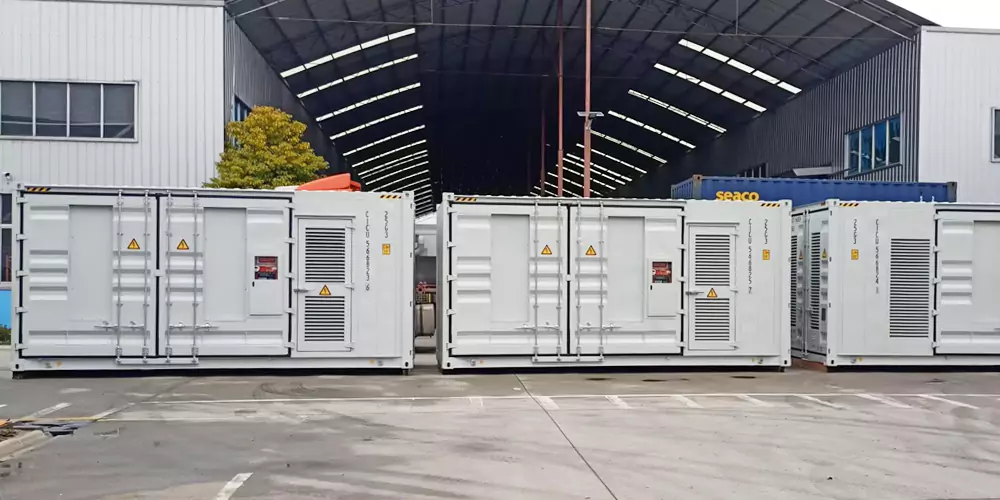
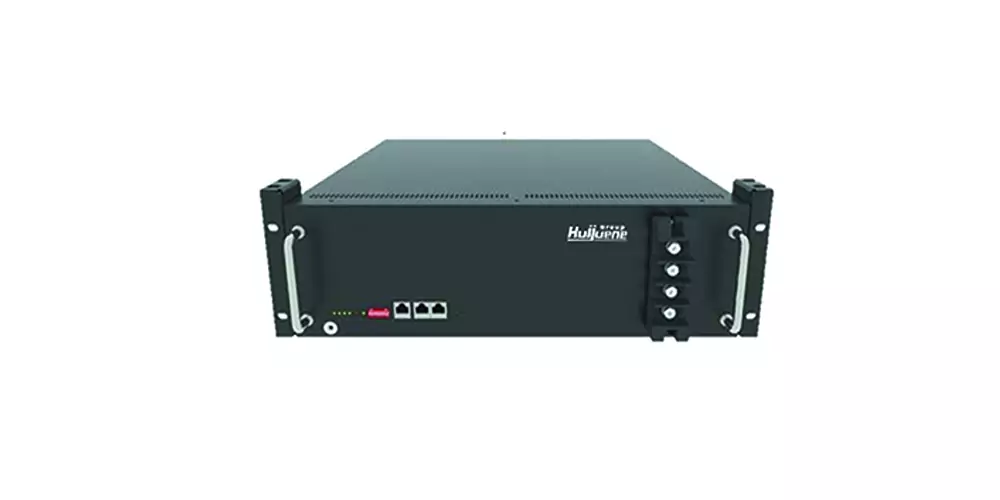
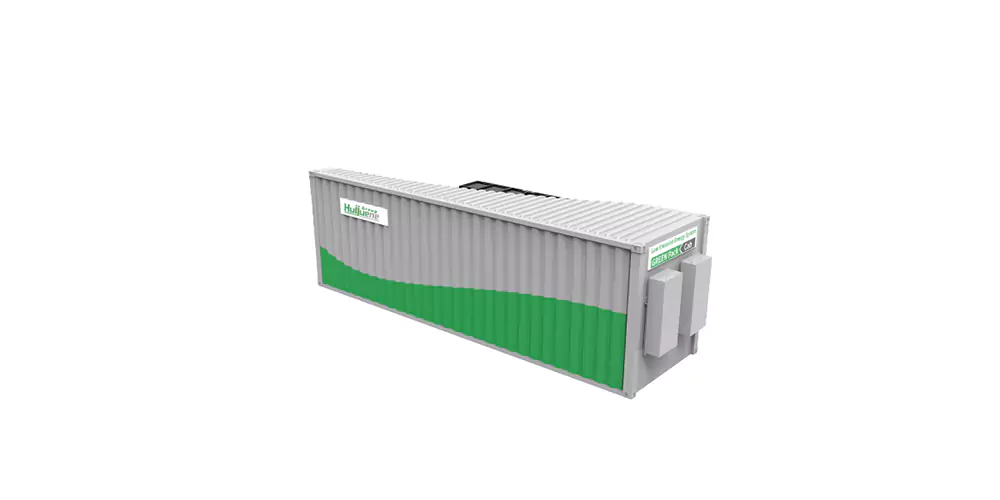
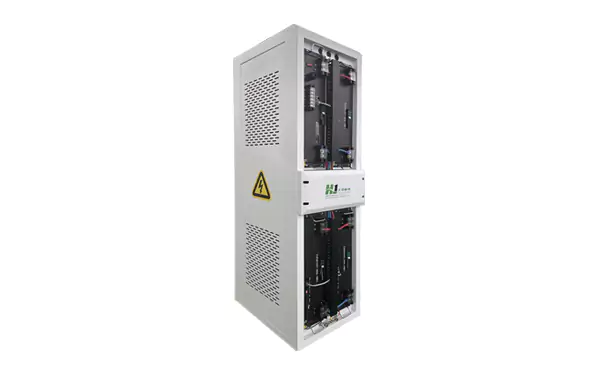
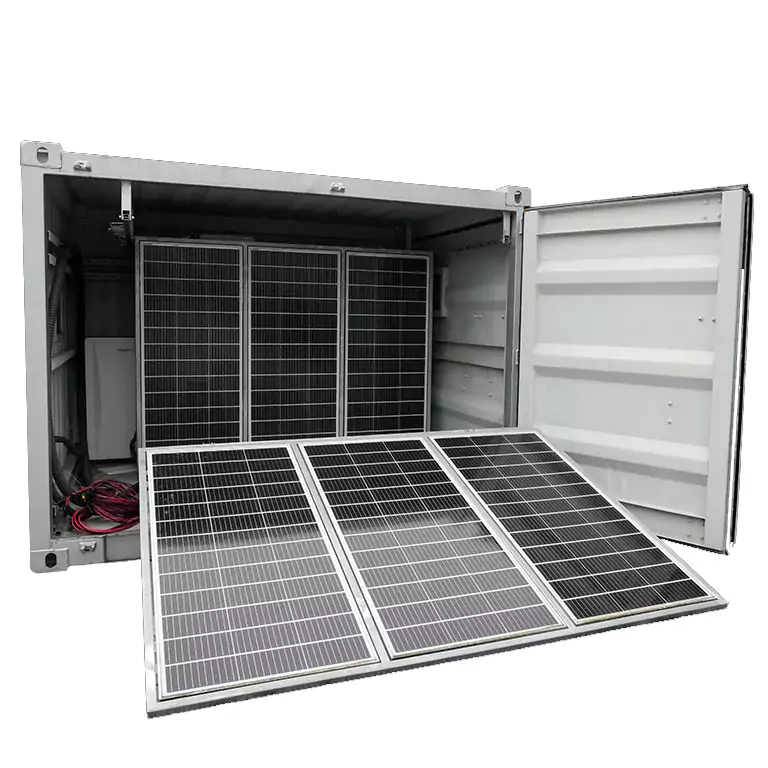
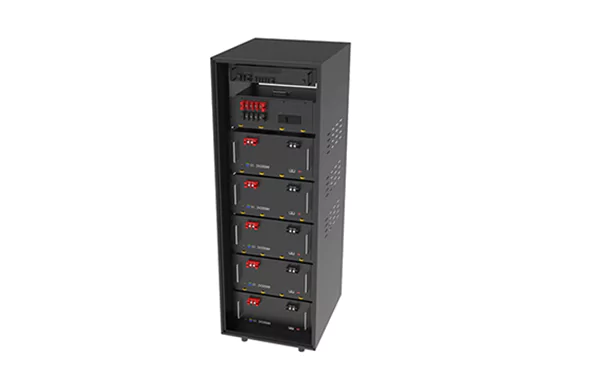
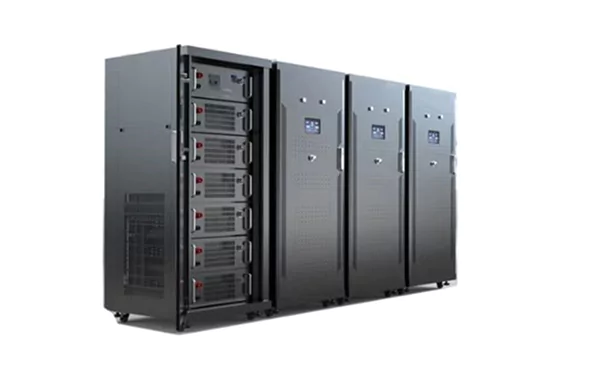
Huijue's containerized systems, for instance, check all these boxes. Their HJ-G0-5000L systems feature LFP chemistry with 7,000+ cycle life expectancy and integrated AI optimization through the HJ-EMS platform.
Project Sizing Optimization
The subsidy evaluation uses a scoring system where appropriately sized projects receive higher ratings. Key considerations:
- Match Storage to Load Profile: Systems sized to cover 80-90% of daily consumption variability
- Consider Grid Services Revenue: Additional capacity for frequency regulation participation
- Future Expansion Planning: Modular designs that allow incremental capacity increases
Financial Structuring
Successful applications typically demonstrate:
- Diverse Funding Sources: Combination of equity, debt, and potentially carbon credit revenues
- Conservative Assumptions: Realistic electricity price forecasts and degradation rates
- Risk Mitigation: Insurance coverage and performance guarantees
- Local Economic Benefits: Job creation and local supply chain utilization
Case Study: Successful Application Template
Let's examine a hypothetical but realistic case: A Romanian food processing company applying for subsidy support for a 2 MW/4 MWh Smart BESS system.
Project Details:
- Location: Timișoara industrial zone
- Primary Application: Peak shaving and demand charge management
- Secondary Revenue: Frequency regulation services
- Total Project Cost: €1.8 million
- Requested Subsidy: €720,000 (40%)
- Company Contribution: €1.08 million (60%)
Key Success Factors in Their Application:
1. Detailed Load Analysis: 12 months of historical consumption data showing clear peak demand patterns
2. Technology Justification: Selection of Huijue's system based on proven Romanian deployments
3. Financial Modeling: Conservative ROI of 18% with sensitivity analysis for various price scenarios
4. Grid Impact Assessment: Positive net impact on local distribution network stability
5. Environmental Benefits: 450-ton annual CO2 reduction through optimized renewable integration
Common Pitfalls to Avoid
Based on analysis of previous Romanian energy subsidy programs, unsuccessful applications often share these characteristics:
- Insufficient Technical Detail: Vague system specifications without manufacturer documentation
- Unrealistic Financial Projections: Overly optimistic revenue assumptions without substantiation
- Weak Implementation Plan: Lack of detailed project management structure
- Poor Risk Assessment: Failure to address technical, financial, and regulatory risks
- Limited Local Benefits: Minimal job creation or local economic impact
The Role of Technology Partners Like Huijue
Partnering with an experienced technology provider can significantly enhance your application. Huijue Group offers comprehensive support packages including:
- Technical Documentation: Complete system specifications and performance data
- Case Studies: References from similar projects in Romania and neighboring countries
- Financial Modeling: Assistance with ROI calculations and subsidy impact analysis
- Implementation Support: Turnkey project delivery with performance guarantees
- Ongoing Compliance: Monitoring and reporting for subsidy program requirements
Their track record in Romania includes successful deployments in industrial, commercial, and utility-scale applications, providing valuable references for subsidy applications.
Beyond the Subsidy: Additional Financial Incentives
While the €150 million scheme represents the primary funding source, successful applicants can layer additional incentives:
National Programs
- Accelerated Depreciation: 3-year write-off period for BESS investments
- VAT Exemption: For renewable energy and storage components
- Reduced Connection Fees: Streamlined grid connection process
EU Funding Opportunities
- Just Transition Fund: Support for energy transition in coal-dependent regions
- Modernization Fund: Additional resources for grid modernization projects
- Innovation Fund: Support for innovative storage technologies and applications
Carbon Market Revenues
- EU ETS Credits: Potential revenue from carbon emissions reductions
- Guarantees of Origin: Certificates for renewable energy storage and dispatch
Timeline and Next Steps
For businesses considering BESS investments in Romania, the 2026 subsidy window presents a time-sensitive opportunity:
- April-May 2026: Conduct preliminary feasibility studies
- June 2026: Submit Expressions of Interest
- July-September 2026: Prepare detailed applications
- October-December 2026: Application evaluation period
- Q1 2027: Project implementation begins for successful applicants
The competitive nature of the tender process means early preparation provides a significant advantage. Companies that begin technical and financial planning now position themselves optimally for subsidy success.
Strategic Implications for Romania's Energy Landscape
The €150 million subsidy scheme represents more than just financial support—it's a catalyst for transforming Romania's energy system. By incentivizing Smart BESS deployment, the program aims to:
- Enhance Grid Stability: Address intermittency of growing renewable generation
- Reduce Curtailment: Minimize waste of clean energy resources
- Lower Energy Costs: Enable more efficient electricity market operation
- Accelerate Decarbonization: Facilitate higher renewable penetration
- Create Economic Opportunities: Develop domestic expertise in storage technology
For businesses, the subsidy scheme offers a unique opportunity to deploy advanced energy storage technology while sharing costs with public funds. With proper planning and execution, it represents a pathway to both economic and environmental benefits, positioning early movers for long-term competitive advantage in Romania's evolving energy market.

 Inquiry
 Online Chat