


Sometimes theory and practice are worlds apart. But in Romania's Smart BESS market, the numbers speak for themselves. Actually, wait—let me rephrase that. The success stories emerging from Romanian businesses implementing intelligent storage systems are kind of rewriting the rulebook for industrial energy management across Eastern Europe.
Case Study 1: The Automotive Manufacturer in Brașov
The Challenge
A major automotive components manufacturer in Brașov was facing monthly electricity bills exceeding €120,000, with demand charges accounting for 45% of total costs. Their production schedule, which operated 24/7, created consistent peak demand spikes that triggered punitive grid charges.
The Solution
They partnered with Huijue to implement a 3.2 MW/6.4 MWh Smart BESS system integrated with their existing rooftop solar array. The key innovation was the system's ability to:
- Predict production line energy requirements using machine learning algorithms
- Optimize charging/discharging based on real-time electricity prices
- Provide seamless transition during grid outages
- Participate in Romania's frequency regulation market
The Results (12 Months Post-Implementation)
- Energy Cost Reduction: 52% (€624,000 annual savings)
- Peak Demand Reduction: 1.8 MW (68% decrease)
- Grid Independence: 6-hour backup capability during outages
- Additional Revenue: €95,000 from grid services
- Carbon Reduction: 850 tons annually
- ROI Achieved: 3.8 years (including subsidies)
The plant manager noted: "The system doesn't just store energy—it understands our production rhythms. It's like having an energy manager that never sleeps."
Case Study 2: The Cold Storage Facility in Constanța
The Problem
A large refrigerated warehouse in Constanța's port area was struggling with electricity costs that had increased by 58% since 2023. Their refrigeration compressors created massive instantaneous power demands, resulting in demand charges that sometimes exceeded energy consumption costs.
The Smart BESS Implementation
Huijue deployed a 2.5 MW/5 MWh system specifically designed for cold storage applications:
- Phase-Shifting Capability: Smooth compressor startup currents
- Thermal Integration: Waste heat recovery for battery temperature management
- Predictive Algorithms: Anticipate temperature fluctuations and adjust storage accordingly
- Grid Services Interface: Automated participation in ancillary markets
Financial and Operational Outcomes
- Demand Charge Reduction: 72% (€312,000 annual savings)
- Energy Efficiency Improvement: 18% through optimized compressor operation
- Temperature Stability: ±0.5°C improvement in critical storage areas
- Uptime During Grid Disturbances: 100% (vs. previous 4 outages annually)
- Total Annual Savings: €387,000
- Payback Period: 4.2 years
The facility manager observed: "We used to think about energy costs as a fixed expense. Now we treat it as a variable we can optimize—and the system does it automatically."
Case Study 3: The Shopping Mall in Bucharest
The Energy Management Challenge
A 45,000 m² shopping mall in central Bucharest was spending €180,000 monthly on electricity, with HVAC systems accounting for 65% of consumption. Their energy profile showed extreme variability—weekday peaks during business hours and weekend surges during peak shopping periods.
The Intelligent Storage Solution
Huijue installed a 4 MW/8 MWh Smart BESS system with these advanced features:
- Weather-Adaptive Algorithms: Adjust storage strategy based on forecasted temperatures
- Occupancy-Based Optimization: Use foot traffic data to predict HVAC demands
- Multi-Objective Optimization: Balance energy cost savings with tenant comfort requirements
- Demand Response Automation: Participate in Transelectrica's flexibility programs
Performance Metrics (18-Month Analysis)
- Overall Energy Cost Reduction: 41% (€885,600 annual savings)
- Peak Demand Reduction: 2.4 MW (61% decrease)
- HVAC Efficiency Improvement: 27% through optimized operation
- Tenant Satisfaction: 94% reported improved comfort levels
- Grid Services Revenue: €142,000 annually
- Carbon Footprint Reduction: 1,200 tons CO2 equivalent
The mall's operations director commented: "The system pays for itself while making our tenants happier. It's the rare investment that delivers both financial and experiential returns."
Case Study 4: The Data Center in Cluj-Napoca
The Critical Power Challenge
A Tier III data center in Romania's tech hub needed to guarantee 99.982% uptime while managing electricity costs that had increased by 63% over three years. Their existing diesel backup generators were expensive to operate and maintain, with growing environmental compliance challenges.
The Advanced BESS Deployment
Huijue implemented a 5 MW/10 MWh system with these critical features:
- Millisecond Response Time: Faster than traditional UPS systems
- Seamless Grid-to-Battery Transition: Zero interruption for critical loads
- Predictive Maintenance: AI-driven failure prediction for battery modules
- Environmental Monitoring: Continuous air quality and temperature optimization
- Redundant Control Systems: Triple redundancy for critical control functions
Results and Benefits
- Backup Power Cost Reduction: 85% compared to diesel generators
- Energy Arbitrage Savings: €225,000 annually
- Uptime Improvement: Achieved 99.989% (exceeding target)
- Maintenance Cost Reduction: 40% through predictive maintenance
- Environmental Compliance: Eliminated diesel emissions and noise
- Total ROI: 3.5 years
The CTO noted: "We've transformed our power infrastructure from a cost center to a value generator. The system not only saves money but enhances our service reliability."
Case Study 5: The Agricultural Processing Plant in Iași
The Seasonal Energy Dilemma
A large grain processing facility in Moldova faced extreme seasonal electricity cost variations. Their energy consumption tripled during harvest season (September-November), coinciding with Romania's highest electricity prices.
The Seasonal Optimization Solution
Huijue designed a 1.8 MW/3.6 MWh system specifically for seasonal operations:
- Seasonal Forecasting Algorithms: Predict harvest volumes and processing requirements
- Price-Aware Charging: Optimize for seasonal price differentials
- Modular Capacity: Ability to temporarily add capacity during peak seasons
- Agricultural Integration: Interface with processing equipment control systems
Seasonal Performance Analysis
- Harvest Season Cost Reduction: 48% (€182,000 savings during peak months)
- Annual Energy Cost Reduction: 35% (€254,000 total savings)
- Processing Efficiency: 12% improvement through coordinated equipment operation
- Grid Impact: Reduced peak demand by 1.2 MW during critical periods
- Subsidy Utilization: Successfully secured 35% funding through Romania's BESS program
- Investment Recovery: 4.1 years
The operations manager reported: "We used to dread harvest season electricity bills. Now we look forward to them—the system turns our seasonal challenge into a financial opportunity."
Common Success Factors Across All Case Studies
1. Intelligent Control Systems
Every successful implementation featured advanced control algorithms that went beyond simple time-of-use optimization. The common elements included:
- Machine Learning: Continuous adaptation to changing patterns
- Multi-Objective Optimization: Balancing cost, reliability, and operational requirements
- Predictive Analytics: Forecasting based on historical and real-time data
- Automated Market Participation: Seamless integration with energy markets
2. Proper System Sizing
The most successful projects carefully matched storage capacity to specific operational needs:
- Load Profile Analysis: Detailed understanding of consumption patterns
- Future Expansion Planning: Modular designs allowing capacity growth
- Redundancy Considerations: Appropriate oversizing for critical applications
- Technology Stack Optimization: Right chemistry and configuration for each use case
3. Comprehensive Integration
Successful implementations went beyond standalone storage:
- Renewable Integration: Seamless coordination with solar and wind generation
- Building Management Systems: Direct communication with HVAC and lighting controls
- Production Planning Systems: Integration with manufacturing schedules
- Energy Market Interfaces: Automated participation in multiple revenue streams
4. Robust Financial Modeling
All case studies demonstrated sophisticated financial planning:
- Conservative Assumptions: Realistic degradation rates and price forecasts
- Multiple Revenue Streams: Diversified income from various applications
- Risk Management: Appropriate contingency planning and insurance
- Subsidy Optimization: Maximizing available public funding
The Huijue Advantage: Technology That Understands Business
Across all five case studies, Huijue's technology platform provided critical advantages:
The HJ-EMS Cloud Platform
- Real-Time Optimization: Continuous adjustment based on changing conditions
- Predictive Maintenance: Early detection of potential issues
- Performance Analytics: Detailed reporting and KPI tracking
- Remote Management: 24/7 monitoring and control capabilities
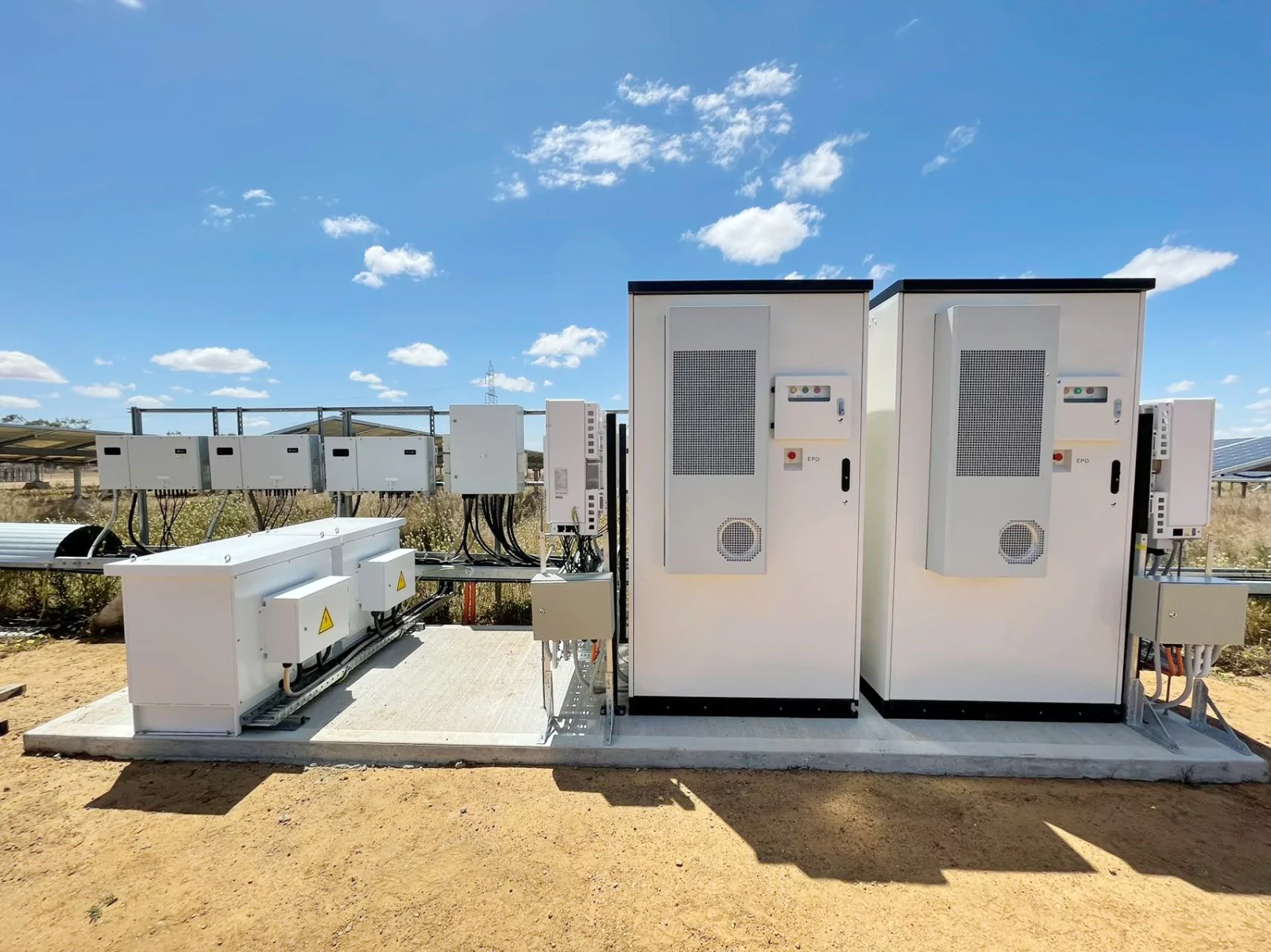
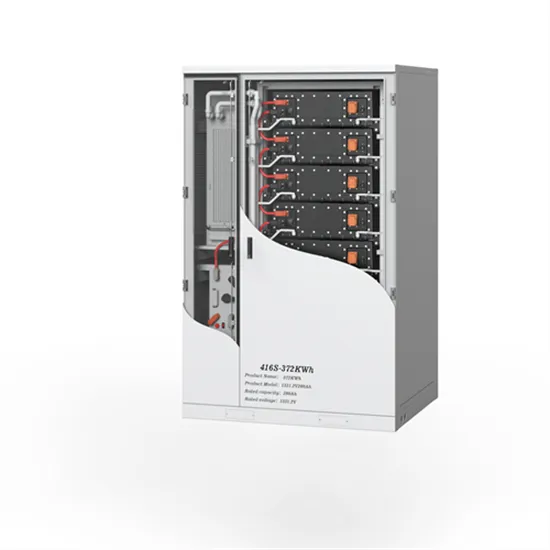
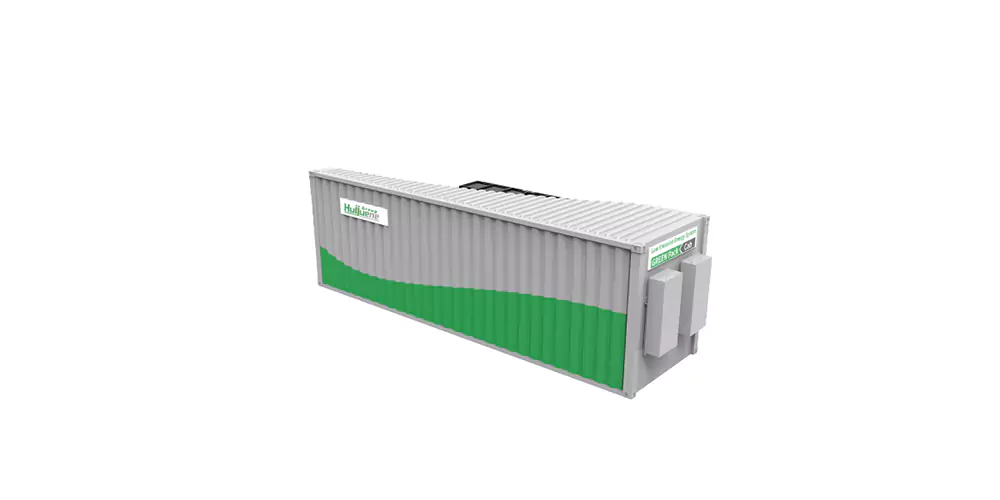
The Containerized System Design
- Rapid Deployment: 4-8 week installation timelines
- Minimal Site Disruption: Pre-fabricated and tested off-site
- Scalability: Easy capacity expansion as needs grow
- Standardization: Consistent performance across installations
The Romanian-Specific Adaptation
- Grid Code Compliance: Full ENTSO-E and ANRE requirements
- Local Service Network: Romanian-based technical support
- Cultural Understanding: Business practices and regulatory awareness
- Language Support: Romanian-language interfaces and documentation
Lessons for Other Romanian Businesses
Strategic Insights
1. Start with Analysis: Comprehensive energy audits pay dividends in system design
2. Think Beyond Storage: Consider BESS as part of integrated energy management
3. Engage Early: Involve technology partners during feasibility studies
4. Plan for Evolution: Design systems that can adapt to changing needs
Implementation Best Practices
1. Staged Rollout: Begin with pilot systems before full deployment
2. Staff Training: Ensure operational teams understand system capabilities
3. Performance Monitoring: Establish clear KPIs and regular review processes
4. Continuous Optimization: Regularly adjust strategies based on performance data
Financial Considerations
1. Diversified Revenue: Explore all available income streams
2. Risk Management: Plan for technology and market risks
3. Subsidy Navigation: Leverage available public funding programs
4. Lifecycle Planning: Consider total cost of ownership, not just upfront investment
The Broader Impact on Romania's Industrial Landscape
These case studies represent more than individual success stories—they're shaping Romania's industrial competitiveness. By reducing energy costs and enhancing reliability, Smart BESS systems are:
- Improving Profit Margins: 15-25% reduction in energy-related operating costs
- Enhancing Competitiveness: Lower production costs versus regional competitors
- Supporting Sustainability Goals: Significant carbon footprint reductions
- Creating Technological Leadership: Positioning Romanian industry at the forefront of energy innovation
- Driving Economic Growth: New investment and job creation in the storage sector
For businesses considering Smart BESS investments, these case studies provide tangible evidence of what's possible. The combination of advanced technology, intelligent control systems, and strategic implementation can transform energy from a cost center into a source of competitive advantage.
The transition isn't just about saving money—it's about building more resilient, efficient, and sustainable operations that can thrive in Romania's evolving energy landscape. With the right approach and technology partners, Romanian businesses can turn energy challenges into opportunities for growth and innovation.


 Inquiry
 Online Chat