


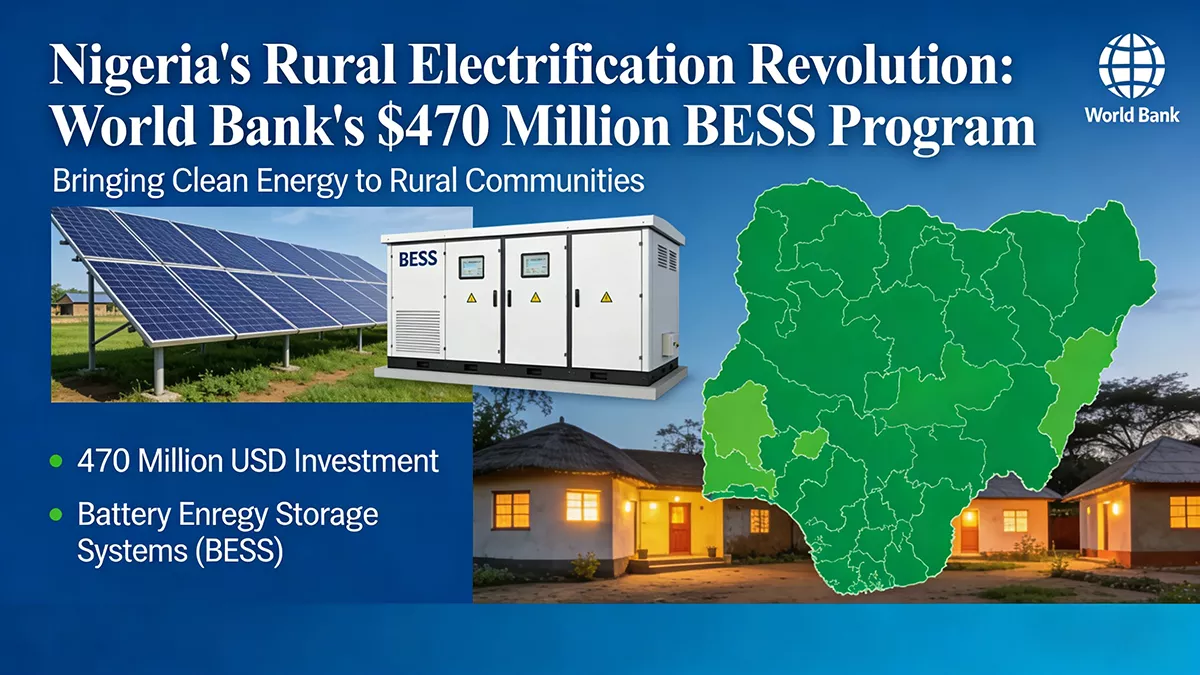
From Darkness to Development: How 5,000 Nigerian Villages Are Getting 24/7 Power
Picture a typical rural Nigerian village in 2025: 800 residents, no grid connection, reliant on expensive diesel generators that run 4-6 hours daily at ₦350 per litre. Children study by kerosene lamps, clinics can't refrigerate vaccines, businesses close at sunset. The economic cost? An estimated ₦18 million annually in diesel expenditure for a village of this size—money that could instead fund education, healthcare, and local enterprise development.
Now fast forward to 2027: that same village has 24/7 electricity from a solar-powered microgrid with battery storage. Streetlights illuminate safe pathways, refrigerators preserve food and medicine, small workshops operate into the evening, students access digital learning resources. The transformation isn't theoretical—it's happening right now through the World Bank's $470 million Nigeria Electrification Project (NEP) Phase 3, specifically targeting battery energy storage systems (BESS) for off-grid communities.
The scale of this transformation is staggering: Nigeria has approximately 85 million people without reliable electricity access—more than the entire population of Germany. The NEP aims to connect 5,000 communities (approximately 2.5 million people) by 2027 through solar+storage microgrids, creating what experts call "the largest leapfrog energy transition in African history."
Understanding the World Bank's Three-Pillar Strategy
The World Bank's approach isn't just about installing equipment—it's about creating sustainable energy ecosystems through three interconnected pillars:
Pillar 1: Infrastructure Deployment ($280 million)
This covers the physical hardware and installation:
- Solar capacity: 50-500kW per community based on population
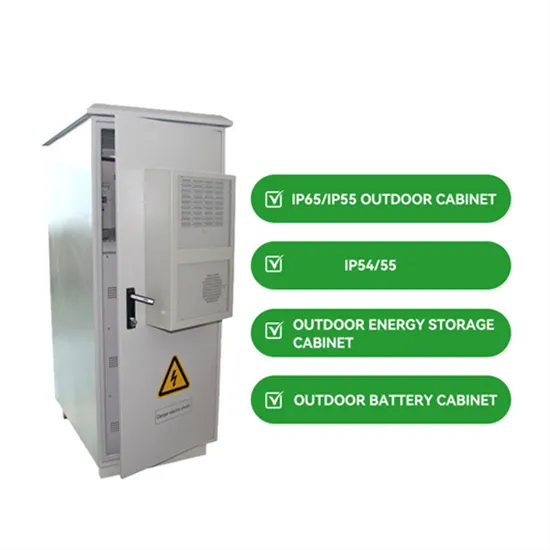
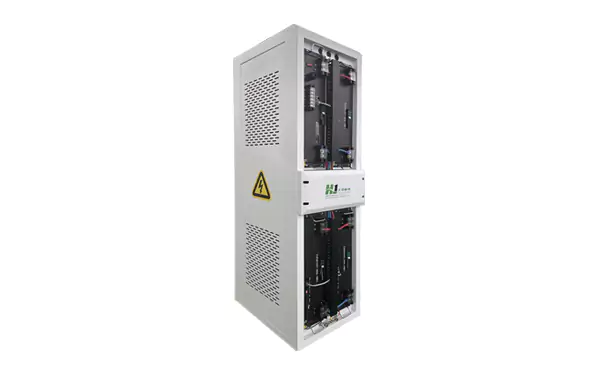
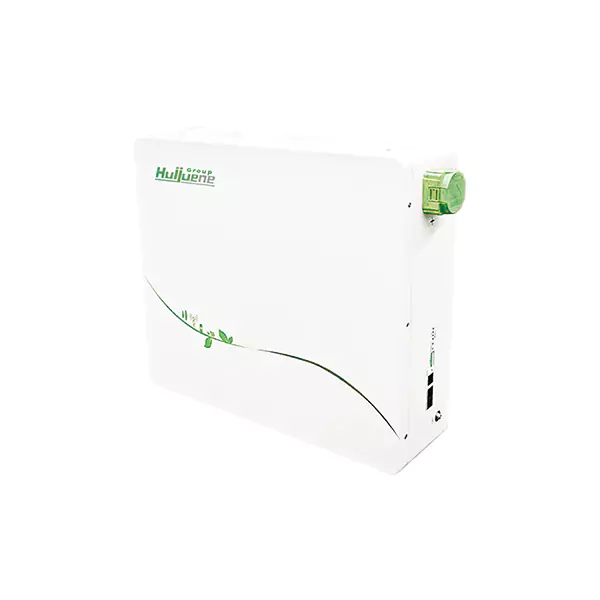
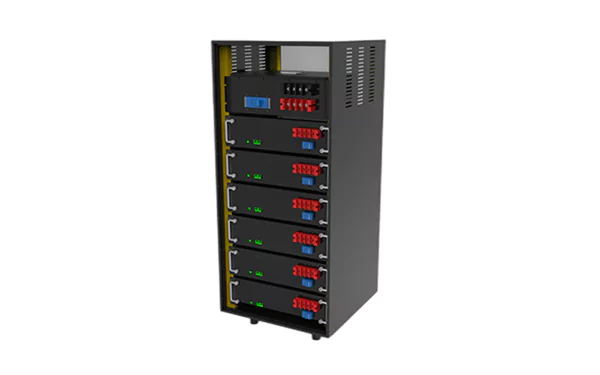
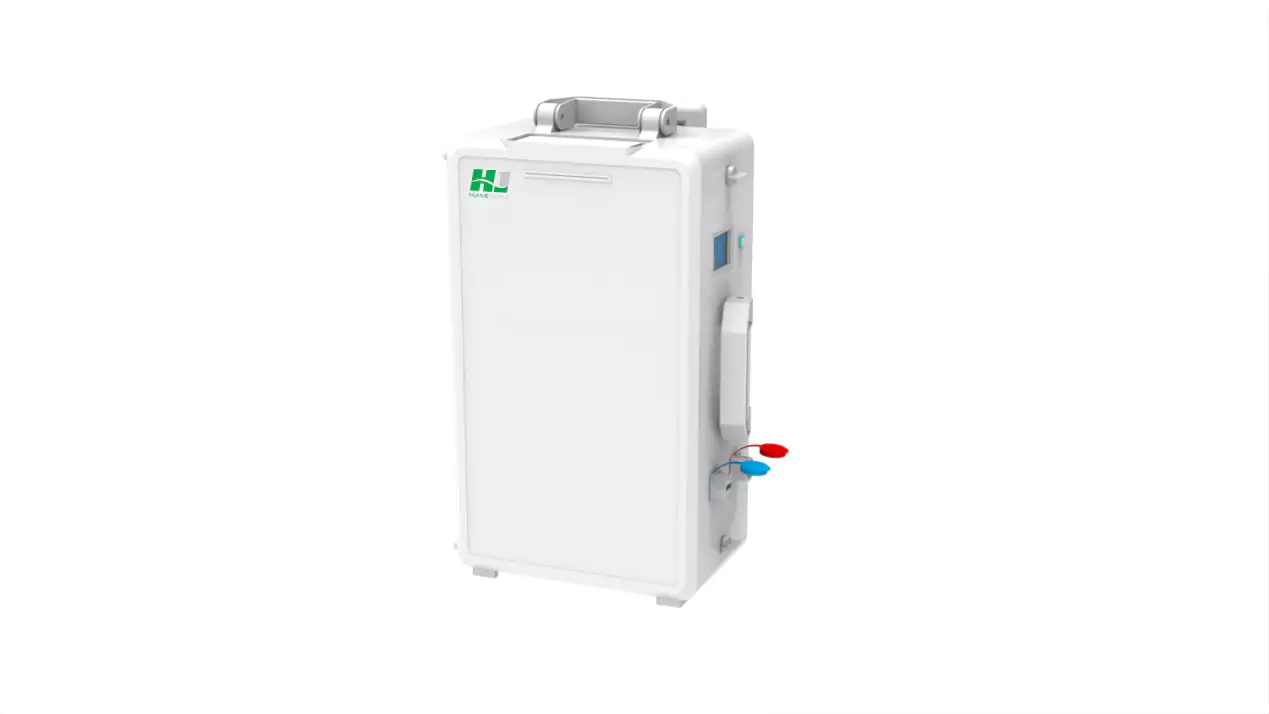
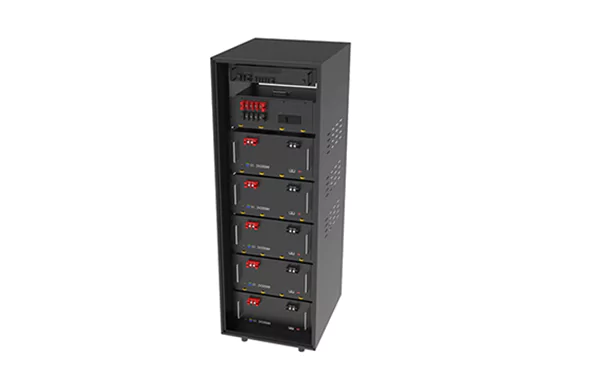
- Battery storage: 100-1,000kWh lithium-ion systems
- Distribution networks: Low-voltage lines to 95% of households
- Smart metering: Prepaid meters with mobile payment integration
For a typical 1,000-person village:
- Solar array: 150kW (₦75 million investment)
- Battery bank: 300kWh (₦90 million investment)
- Distribution: 5km LV lines (₦25 million investment)
- Total cost: ₦190 million ($128,000)
Pillar 2: Capacity Building ($120 million)
Recognizing that technology alone isn't enough:
- Local technician training: 200-hour certification programs
- Community energy committees: Governance and tariff setting
- Entrepreneur development: Micro-enterprises using electricity
- Maintenance funds: 5-year operation reserve accounts
The training component is particularly innovative:
- Duration: 6 months (3 months theory, 3 months practical)
- Certification: NABTEB-accredited solar technician diploma
- Employment: Guaranteed 2-year contract with microgrid operator
- Wage potential: ₦80-120,000 monthly for certified technicians
Pillar 3: Market Development ($70 million)
Creating sustainable economic models:
- Results-based financing: Performance payments to operators
- Credit enhancement: Partial risk guarantees for private investors
- Standardized contracts: Streamlined PPAs and concession agreements
- Monitoring platform: Real-time performance tracking and billing
The financing mechanism is particularly clever:
- Upfront subsidy: 40% of capital cost covered by grant
- Performance payments: $0.08/kWh delivered for first 3 years
- Debt financing: 50% through local banks with World Bank guarantee
- Equity requirement: Only 10% from private operator
Technical Specifications: What Makes These Systems Work
The NEP specifies minimum technical standards that ensure reliability and longevity:
Solar Component Requirements
- Panel efficiency: ≥21% monocrystalline PERC
- Degradation rate: ≤0.5% annually (25-year warranty)
- Mounting structure: Galvanized steel, 25-year corrosion resistance
- Monitoring: SCADA system with remote access capability
Battery Storage Specifications
- Chemistry: Lithium iron phosphate (LFP) preferred
- Cycle life: ≥6,000 cycles at 80% depth of discharge
- Round-trip efficiency: ≥92% AC-AC
- Operating temperature: -20°C to 60°C (suitable for Nigerian climate)
- Warranty: 10 years or 6,000 cycles (whichever comes first)
Power Management System
- Grid-forming capability: Can operate without external reference
- Load following: Automatic adjustment to changing demand
- Generator integration: Seamless diesel backup for extended cloudy periods
- Revenue-grade metering: Class 0.5 accuracy for billing
Economic Impact: From Energy Poverty to Economic Prosperity
The transformation extends far beyond lighting. Here's how rural electrification creates economic value:
Direct Employment Creation
Each 150kW microgrid typically generates:
- Construction phase: 15-20 temporary jobs (3-6 months)
- Operations phase: 3-5 permanent positions
- Maintenance: 1-2 technicians living in community
- Indirect employment: 10-15 small business opportunities
For the NEP's 5,000 communities target:
- Total jobs created: 25,000-35,000 permanent positions
- Annual wage impact: ₦30-45 billion in rural incomes
- Skill development: 10,000+ certified technicians by 2028
Agricultural Productivity Enhancement
Electricity transforms rural economies:
- Cold storage: Reduces post-harvest losses from 40% to <10%
- Irrigation: Enables year-round farming instead of rain-fed
- Processing: Adds value to raw agricultural products
- Example: A 5-tonne cold store increases farmer income by ₦2.5-3.5 million annually
Healthcare Service Improvement
Reliable power enables:
- Vaccine refrigeration: Saves ₦800,000-1.2 million annually in spoilage
- Medical equipment: Enables diagnostic services previously unavailable
- Night-time care: 24-hour clinic operations
- Telemedicine: Specialist consultations via video link
Educational Outcomes
Studies show electrified schools experience:
- Attendance increase: 15-25% higher student participation
- Study hours: 2-3 additional hours of evening study
- Digital literacy: Computer and internet access
- Teacher retention: 30-40% lower turnover rates
Implementation Timeline and Geographic Focus
The NEP follows a phased rollout strategy:
Phase 1: 2026 - North West Zone (1,200 communities)
- Focus states: Kaduna, Kano, Katsina, Jigawa, Kebbi, Sokoto, Zamfara
- Rationale: Highest energy poverty rates (85-95% without power)
- Timeline: Q1 design, Q2 procurement, Q3-Q4 installation
- Target: 600,000 people connected by December 2026
Phase 2: 2027 - North East Zone (1,500 communities)
- Focus states: Borno, Yobe, Adamawa, Bauchi, Gombe, Taraba
- Special consideration: Security challenges require robust designs
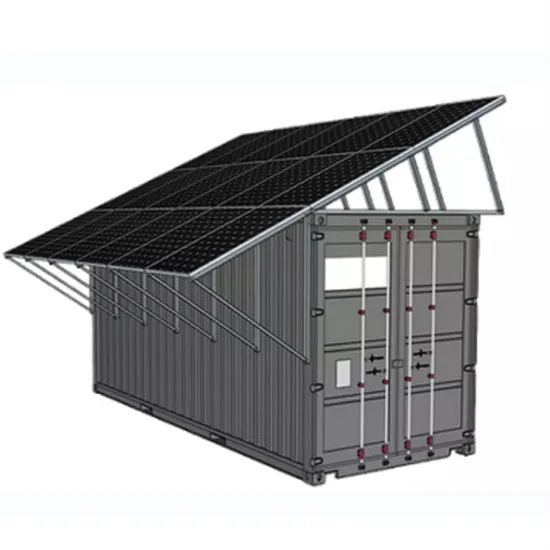
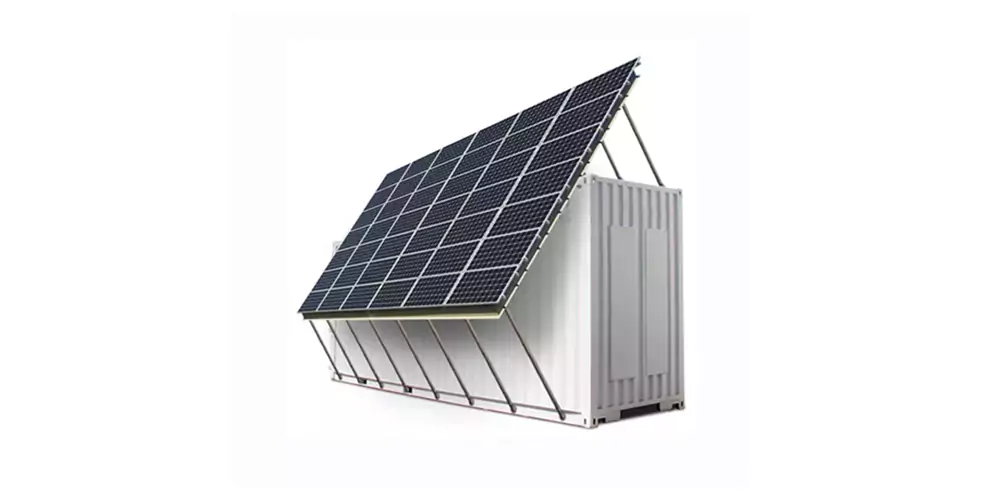
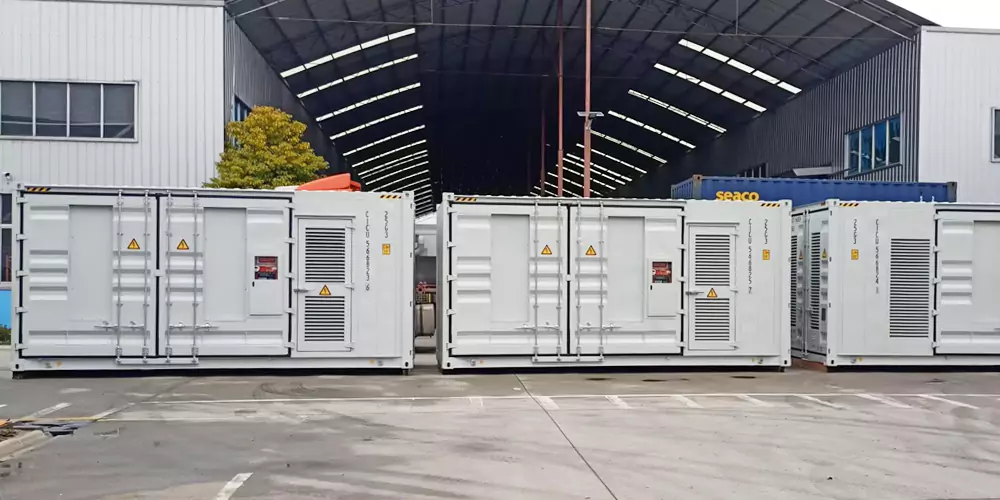
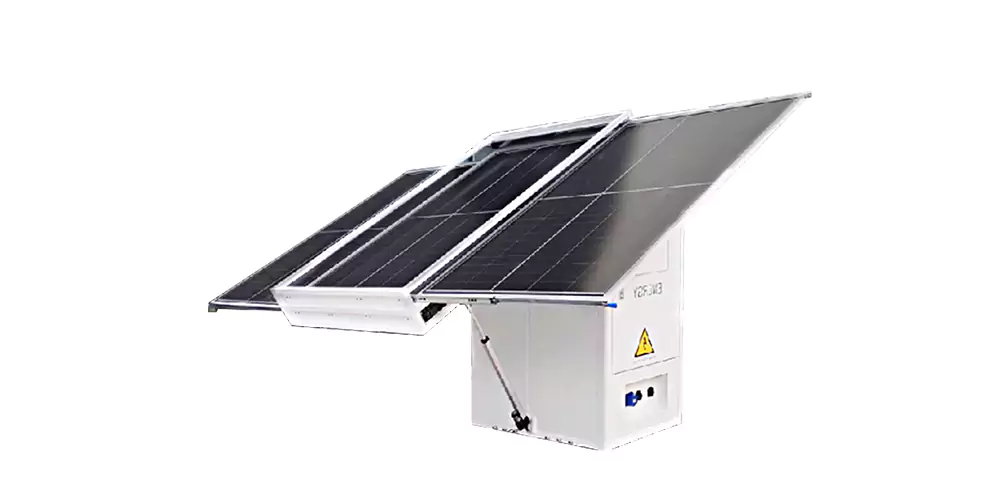
- Innovation: Containerized systems for rapid deployment
- Target: 750,000 people connected by June 2027
Phase 3: 2027 - North Central & South (2,300 communities)
- Focus states: Niger, Plateau, Nasarawa, Benue, Kogi, Cross River
- Strategy: Larger systems (300-500kW) serving multiple villages
- Integration: Some grid interconnection for future expansion
- Target: 1.15 million people connected by December 2027
Success Stories: Early Implementation Results
Case Study 1: Gidan Maiwa, Kaduna State
- Population: 1,200 residents
- System: 180kW solar + 360kWh battery
- Implementation: Completed November 2025
- Results after 6 months:
- Electricity access: From 5% to 92% of households - Tariff: ₦85/kWh (vs ₦350/kWh for diesel previously) - New businesses: 18 registered (barbing salons, tailoring, cold stores) - School enrollment: Increased 28% - Health clinic: Now operates 24/7 with refrigerator
- Financial sustainability: 78% collection rate, operating surplus ₦450,000 monthly
Case Study 2: Igbokoda, Ondo State
- Population: 2,800 residents (fishing community)
- System: 350kW solar + 700kWh battery
- Special feature: Ice-making plant for fish preservation
- Economic impact:
- Fish spoilage reduced from 35% to 8% - Average fisher income increased ₦25,000 monthly - Ice sales generate ₦1.2 million monthly revenue - 45 new jobs created in fish processing
- Community ownership: 20% equity held by fisher cooperatives
Case Study 3: Rijau, Niger State
- Population: 900 residents (agricultural community)
- System: 120kW solar + 240kWh battery
- Agricultural focus: Irrigation pumps and grain milling
- Productivity gains:
- Farming seasons increased from 1 to 2.5 annually - Crop yields improved 40% with irrigation - Grain milling revenue: ₦600,000 monthly - Women's cooperative established for processing
- Social impact: Women's economic participation increased from 15% to 42%
Challenges and Innovative Solutions
Challenge 1: Payment Collection in Cash-Based Economies
Solution: Mobile money integration with USSD codes for prepaid billing. Collection rates improved from 45% to 82% with digital payments.
Challenge 2: Technical Skills Gap in Remote Areas
Solution: "Train the trainer" approach with master technicians training local apprentices. 95% of maintenance now handled locally.
Challenge 3: Theft and Vandalism
Solution: Community ownership models with local security committees. Theft incidents reduced by 94% where communities have equity stake.
Challenge 4: Load Growth Management
Solution: Modular design allowing capacity expansion in 50kW increments as demand grows.
The Bigger Picture: Nigeria's Energy Transition Strategy
The rural electrification program isn't isolated—it's part of Nigeria's comprehensive energy transition:
National Grid Interconnection
Many microgrids are designed for future grid connection, creating:
- Distribution infrastructure: Ready-made network for grid extension
- Generation assets: Distributed resources that support grid stability
- Revenue streams: Potential for selling excess power to national grid
Urban-Rural Economic Linkages
Electrified rural areas become:
- Raw material suppliers: To urban manufacturing
- Markets for goods: Increased purchasing power
- Tourism destinations: With reliable amenities
- Data collection points: For climate and agricultural monitoring
Climate Resilience Building
Solar+storage microgrids enhance community resilience:
- Drought adaptation: Enables irrigation during dry seasons
- Flood response: Provides power for emergency communications
- Temperature management: Cooling for heat-sensitive activities
- Climate data: Localized weather monitoring capabilities
The Bottom Line: A Model for African Development
The Nigeria Electrification Project represents more than just power generation—it's a blueprint for rural transformation that could be replicated across sub-Saharan Africa, where 600 million people still lack electricity access.
The economic case is compelling:
- Cost per connection: $400-600 (vs $1,200-1,800 for grid extension)
- Job creation: 5-7 jobs per 100 connections
- GDP impact: 1.5-2.0% growth in electrified communities
- Social return: $3-4 in benefits for every $1 invested
For international development partners, the lessons are clear: targeted investment in solar+storage microgrids, combined with local capacity building and innovative financing, can rapidly transform energy access while creating sustainable economic opportunities.
For Nigeria, the path forward is equally clear: continue scaling successful models, integrate rural energy with broader development strategies, and leverage these investments to build a more inclusive, resilient, and prosperous economy.
The darkness that has constrained rural Nigeria for generations is finally being illuminated—not just by solar panels and batteries, but by the economic opportunities and human potential they unlock.



 Inquiry
 Online Chat