


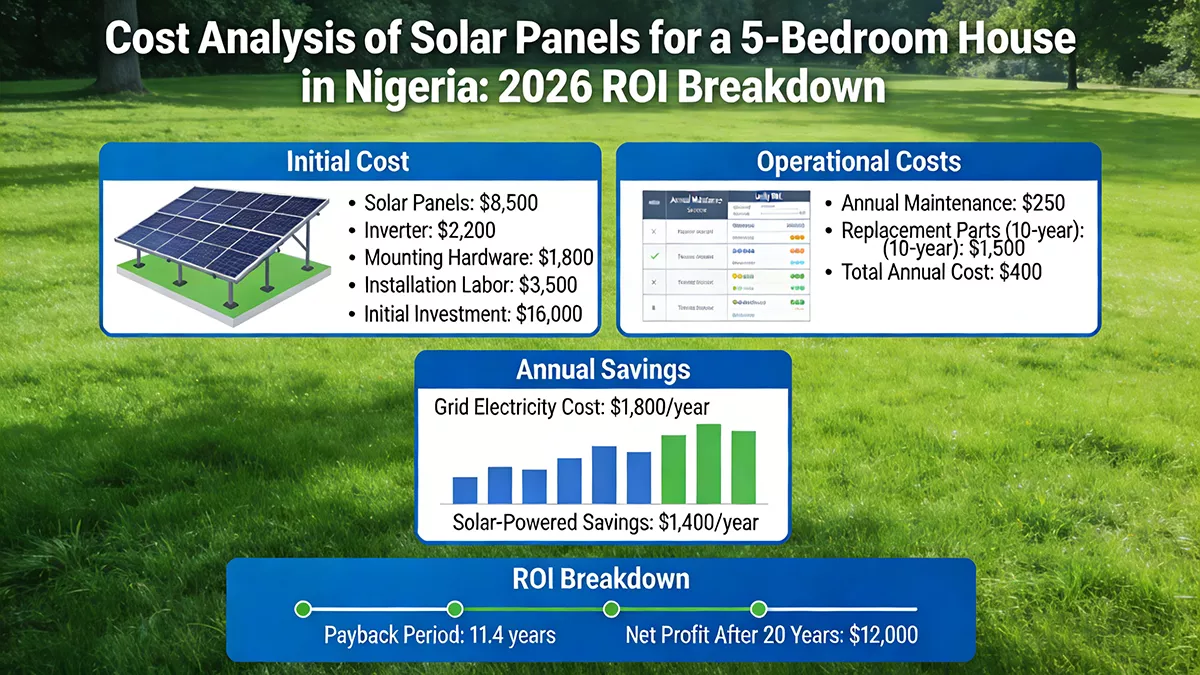
The ₦180,000 monthly electricity bill that can become ₦45,000
Imagine you own a comfortable 5-bedroom house in a Lagos suburb like Lekki or Ikeja. Your monthly electricity bill averages ₦180,000 — that's ₦2.16 million annually disappearing into unreliable grid power. You experience daily outages of 4-6 hours, forcing you to run noisy diesel generators that cost ₦350-450 per litre and create air pollution in your neighborhood. Your appliances suffer from voltage fluctuations, and you constantly worry about food spoilage in your refrigerator during extended blackouts.
Now consider this alternative: a properly sized solar system that reduces your grid dependency by 85-90%, eliminates generator noise and pollution, and slashes your electricity costs to ₦45,000 monthly. The upfront investment might seem substantial — ₦4.2 million to ₦8.5 million depending on your energy needs — but the financial returns are compelling: a 4.8-year payback period followed by 20+ years of nearly free electricity.
This isn't theoretical economics. In 2026, with Nigeria's new renewable energy incentives, solar installations for 5-bedroom homes have become one of the smartest financial decisions Nigerian homeowners can make. Let's break down the numbers.
How much energy does a 5‑bedroom home really use?
Before sizing your system, you need to understand your typical 5-bedroom house energy usage. Most homes in Lagos, Ibadan, or Abuja fall into a similar consumption pattern.
Average daily consumption (Lagos / Ibadan / Abuja)
- Air conditioning: 8-12 kWh daily (2-3 split units, 4-6 hours usage)
- Refrigeration: 3-4 kWh daily (fridge + freezer)
- Lighting: 2-3 kWh daily (LED throughout house)
- Entertainment: 1-2 kWh daily (TV, sound system, computers)
- Water heating: 2-3 kWh daily (geyser/instant heater)
- Cooking: 1-2 kWh daily (microwave, electric kettle)
- Miscellaneous: 1-2 kWh daily (washing machine, iron, etc.)
- Total average: 18-28 kWh daily (540-840 kWh monthly)
Peak load requirements
- Simultaneous operation: AC units + fridge + TV + lights + water heater
- Typical peak: 5-7 kW during evening hours (6–9 PM)
- Critical circuits: Refrigeration, lighting, security system
- Non-essential: Some AC units, water heating (can be scheduled)
Two practical system options: hybrid vs. off‑grid
Option 1: hybrid solar system (85% grid reduction)
Best for: Homes with reliable grid access 6-8 hours daily.
System size: 5kW solar + 10kWh battery storage.
Components:
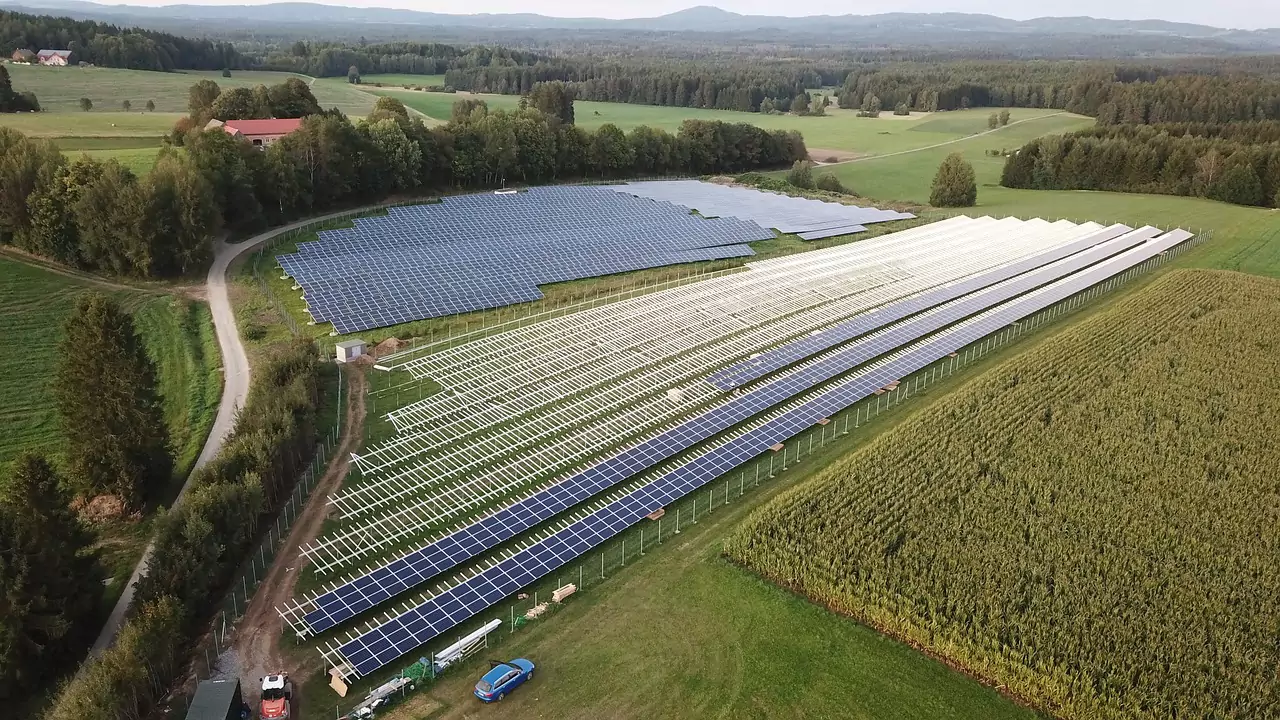
- 11 x 450W solar panels (4.95kW)
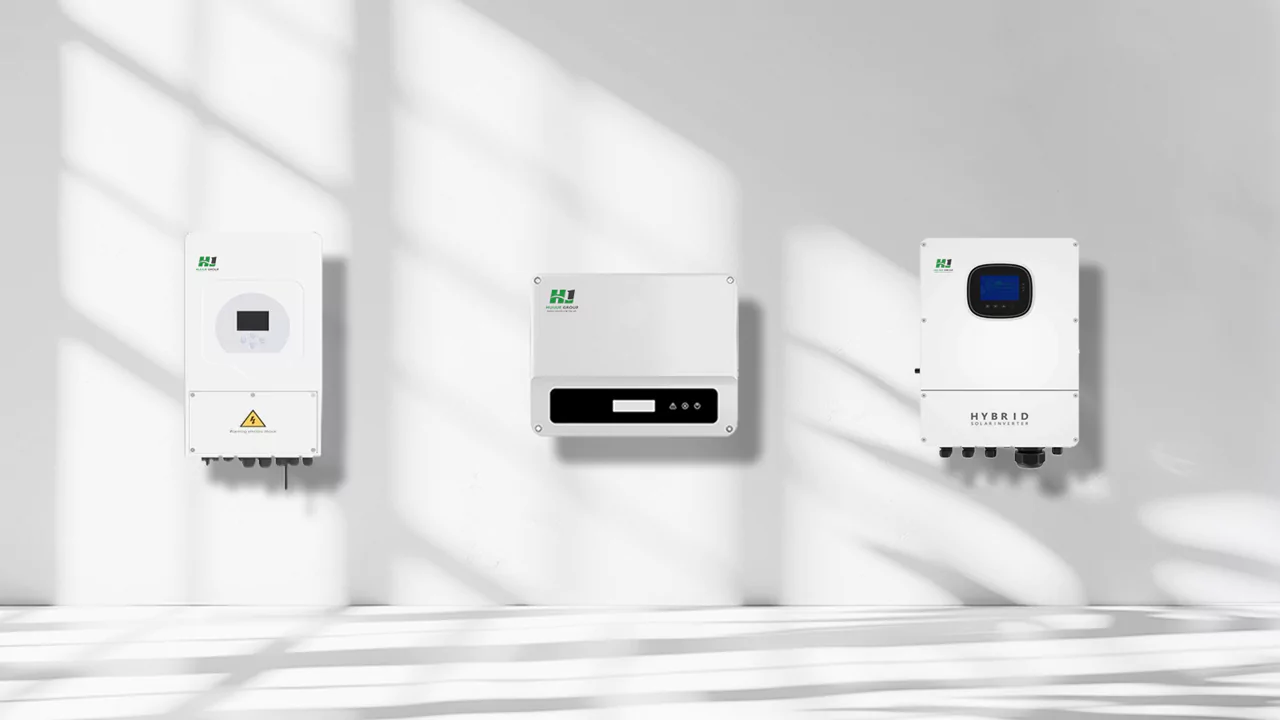
- 5kW hybrid inverter with grid-tie capability
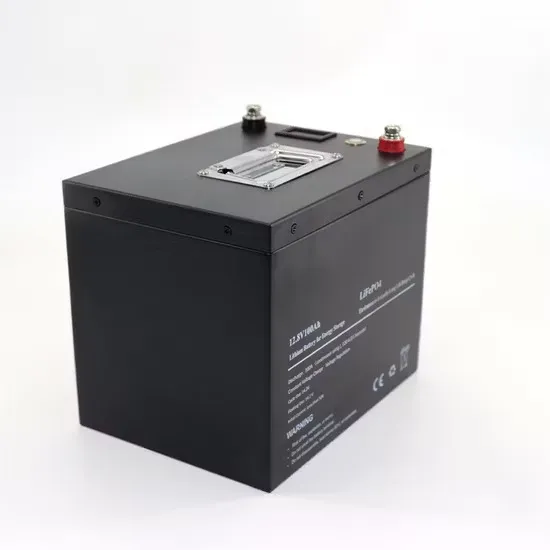
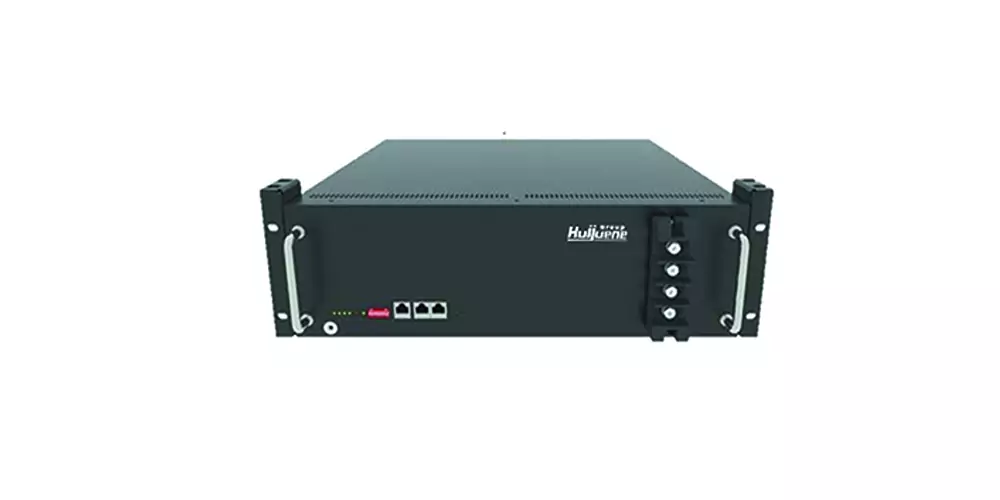
- 10kWh lithium iron phosphate (LFP) batteries
- Smart energy management system
- Net metering setup
Performance:
- Daily generation: 20-25 kWh (4-5 kWh/kW/day)
- Self-consumption: 75-80%
- Grid export: 4-6 kWh daily (revenue generation)
- Grid dependency: 15-20% during extended cloudy periods
Option 2: off‑grid solar system (100% independence)
Best for: Areas with frequent/long grid outages (>8 hours daily).
System size: 8kW solar + 20kWh battery storage.
Components:
- 18 x 450W solar panels (8.1kW)
- 8kW off-grid inverter with generator integration
- 20kWh lithium iron phosphate batteries
- Advanced power management with load shedding
- Diesel generator as backup (rarely used)
Performance:
- Daily generation: 32-40 kWh (4-5 kWh/kW/day)
- Autonomy: 2-3 days without sun (Nigerian climate)
- Generator usage: <50 hours annually (vs 2,000+ previously)
- Complete energy independence
Cost breakdown (2026 prices with incentives applied)
Hybrid system (5kW + 10kWh) — net investment ₦3,022,500
Equipment costs:
- Solar panels (11 x 450W): ₦880,000 (₦80,000 per panel)
- Hybrid inverter (5kW): ₦600,000
- Batteries (10kWh LFP): ₦1,200,000 (₦120,000 per kWh)
- Mounting structure & cables: ₦320,000
- Protection equipment: ₦150,000
- Subtotal equipment: ₦3,150,000
Installation & soft costs:
- Installation labor: ₦450,000
- Design & engineering: ₦120,000
- Permits & approvals: ₦80,000
- Project management: ₦100,000
- Subtotal installation: ₦750,000
Government incentives (import duty, VAT exemption, Lagos rebate): ₦877,500 saved → net cost ₦3,022,500.
Off‑grid system (8kW + 20kWh) — net investment ₦5,437,500
Equipment costs:
- Solar panels (18 x 450W): ₦1,440,000
- Off-grid inverter (8kW): ₦960,000
- Batteries (20kWh LFP): ₦2,400,000
- Mounting structure: ₦480,000
- Protection & switchgear: ₦220,000
- Generator integration: ₦200,000
- Subtotal equipment: ₦5,700,000
Installation & soft costs:
- Installation labor: ₦800,000
- Design & engineering: ₦200,000
- Permits & approvals: ₦120,000
- Project management: ₦180,000
- Civil works (foundations): ₦500,000
- Subtotal installation: ₦1,800,000
Total incentives (duty exemption, VAT, federal grant): ₦2,062,500 saved → net cost ₦5,437,500.
Payback, savings & return: the real numbers
Hybrid system (₦3.0M net investment)
Current costs (without solar):
- Grid electricity: ₦120,000 monthly (₦1.44 million annually)
- Diesel generation: ₦60,000 monthly (₦720,000 annually)
- Total annual energy cost: ₦2.16 million
With solar installation:
- Grid consumption reduced: ₦18,000 monthly
- Diesel eliminated: ₦0 monthly
- Annual energy cost: ₦216,000 → annual savings ₦1,944,000
- Excess solar export: ~₦12,000 monthly (₦144,000 yearly)
Return metrics:
- Simple payback: 1.55 years
- Annual ROI: 64.8%
- 20-year savings: ₦38.9 million (13x investment)
Off‑grid system (₦5.4M net investment)
Current costs (without solar):
- Grid electricity: ₦150,000 monthly (₦1.8 million annually)
- Diesel generation: ₦90,000 monthly (₦1.08 million annually)
- Total annual energy cost: ₦2.88 million
With solar → ₦0 monthly energy bill (operational costs only). Annual savings ₦2.88 million.
- Simple payback: 1.88 years
- Annual ROI: 53.0%
- 20-year savings: ₦57.6 million (10.6x investment)
Government incentives that actually cut the cost
Federal programs
- Import duty exemption (100%) — solar panels, batteries, inverters: 0% duty (was 20%). Savings: ₦160k–₦800k depending on system size.
- VAT exemption (100%) — 0% VAT on renewable energy equipment (was 7.5%). Savings: ₦150k–₦750k.
- Renewable Energy Development Fund (REDF) — grants up to 30% of project cost for residential systems; max ₦1.5 million per household.
State incentives (Lagos example)
- Lagos Solar Initiative: additional 5% rebate on total installation cost, property tax reduction for solar-equipped homes, fast-tracked permits (7-10 days).
- Net metering framework: sell excess electricity at ₦85–₦105 per kWh, annual cash-out of unused credits.
Financing options
- Green mortgage programs: interest rates 9-12% (vs 18-25% regular), tenure 5-7 years.
- Vendor financing: 0% down payment available, monthly payments bundled with warranty, terms 3-5 years.
Choosing reliable components: panels, inverters, batteries
Solar panel selection
Tier 1 manufacturers recommended: Jinko Solar (22.6% efficiency, 25-year warranty), Longi Solar (22.8% efficiency), Canadian Solar (22.4% efficiency). Avoid unbranded panels with <20% efficiency.
Inverter selection
Hybrid inverters: Growatt (5-10kW, reliable Nigerian performance), Solis (advanced monitoring), Sungrow (industrial quality). Key feature: must have UL1741 or equivalent certification.
Battery technology
Lithium Iron Phosphate (LFP) recommended: no thermal runaway risk, 6,000+ cycles to 80% DoD, 10-year standard warranty. Alternatives like lead-acid are cheaper but shorter life.
Implementation timeline: from audit to power on
Week 1: energy audit
- Detailed load assessment, roof/site evaluation, shading analysis, system sizing recommendation.
Week 2: design & quotation
- Technical drawings, equipment specs, financial proposal, incentive application assistance.
Weeks 3–4: financing & approvals
- Bank loan processing, NERC net metering application, local permits, import duty exemption filing.
Week 5: installation & commissioning
- Equipment delivery, mounting structure, electrical wiring, commissioning and testing.
Ongoing: operation & monitoring
- Performance monitoring, maintenance scheduling, warranty management, energy optimization.
Common pitfalls to avoid
Undersizing the system
Problem: choosing cheapest option that doesn’t meet needs. Solution: size for 110-120% of current consumption to allow for future growth (EV, extra AC).
Ignoring maintenance costs
Problem: assuming “set and forget”. Solution: budget 1-2% of system cost annually for maintenance and cleaning.
Choosing uncertified installers
Problem: poor installation voids warranties. Solution: use only NERC-certified installers with proven track record and references.
Not considering future expansion
Problem: system design doesn’t allow adding EV charging or more batteries. Solution: design with spare capacity and expansion provisions.
Future upgrades: EV charging & smart home integration
Phase 2: electric vehicle charging
Cost: ₦500,000–₦1.5 million additional. Savings: ₦8-15 per km vs petrol/diesel. Plan for 2027–2028 as EV adoption grows.
Phase 3: home energy management
Smart scheduling runs high-load appliances during solar peak. Demand response programs can generate ₦30,000–₦60,000 annually from grid services.
Phase 4: resilience enhancement
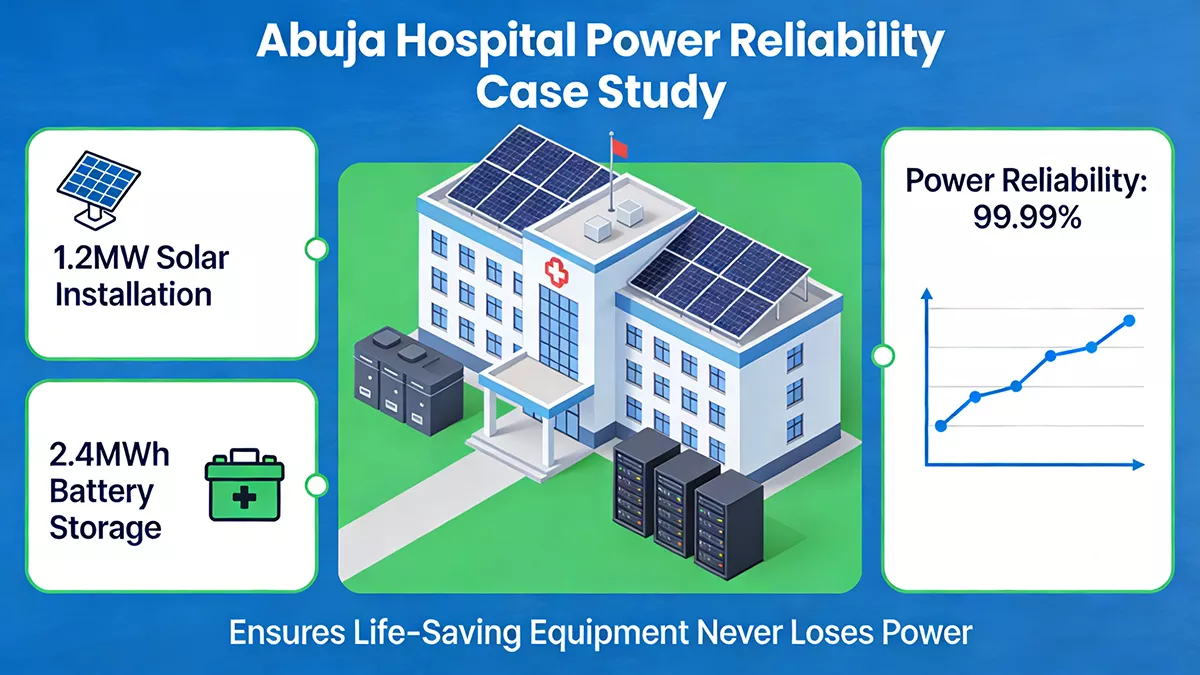
Critical circuit backup for medical equipment, security systems. Community microgrid options increase property desirability.
The bottom line: a financial no-brainer
The economics of solar for a 5-bedroom Nigerian house in 2026 are compelling:
- Payback period: 1.9–2.6 years (faster than most home improvements)
- Return on investment: 48–65% annually (superior to most investments)
- Lifetime savings: ₦39–58 million over 20 years
- Risk profile: low (proven technology, government support)
- Additional benefits: reliability, environmental, health, property value increase
For homeowners currently spending ₦180,000+ monthly on unreliable electricity, the choice is clear: continue paying escalating costs to grid providers and diesel suppliers, or invest in a solar system that pays for itself in under 3 years and provides free electricity for decades.
With Nigeria's new incentives, favorable financing options, and proven technology, solar has transitioned from “nice to have” to essential investment for Nigerian homeowners.
The sun isn’t just shining in Nigeria — it’s literally paying dividends for those smart enough to capture its energy.

 Inquiry
 Online Chat