


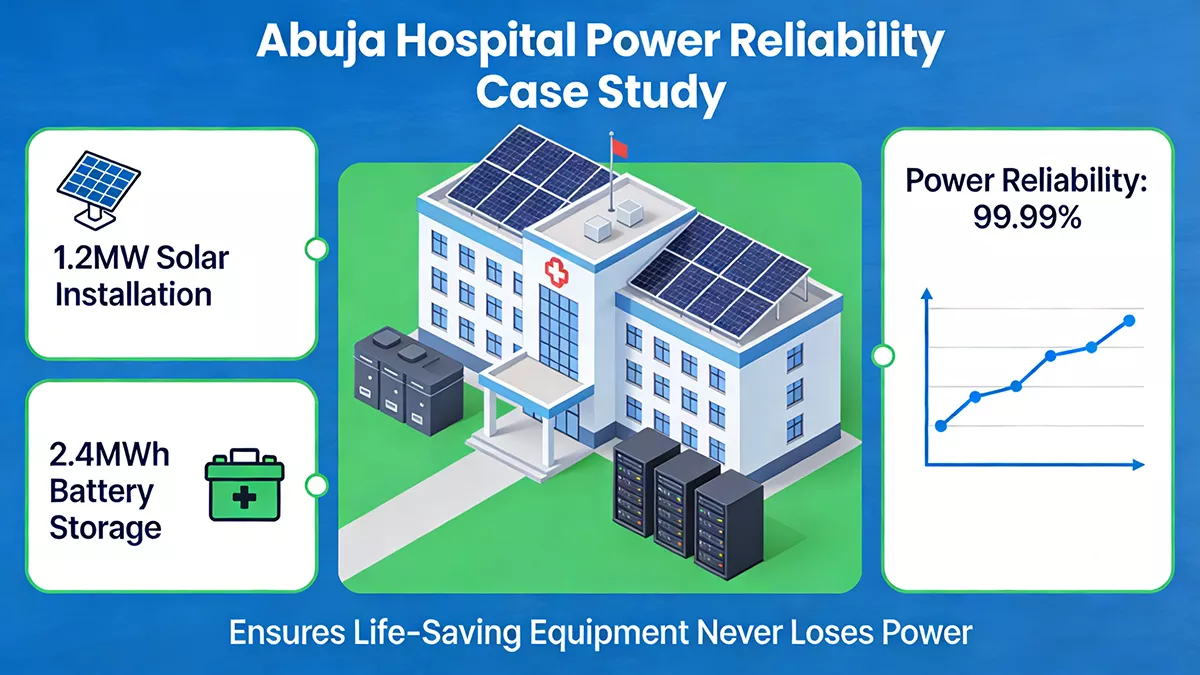
Think about National Hospital in Abuja for a moment. It’s a 300-bed tertiary center in the heart of the city. In the ICU, ventilators are keeping critically ill patients alive. In the operating theaters, surgeons are in the middle of delicate cardiac procedures. In the neonatal unit, premature babies lie in incubators that must maintain a precise temperature. Down in the pharmacy, there’s ₦45 million worth of vaccines that need constant refrigeration. In the lab, COVID-19 tests are being processed. Now imagine the grid fails. Not a hypothetical scenario—this happens daily in Abuja. The average power outage lasts 4 to 6 hours, and extended blackouts of over 12 hours happen two or three times a month. For National Hospital in 2025, this wasn’t a risk assessment exercise. It was a daily crisis that threatened lives, compromised surgeries, and put immense strain on the staff.
The hospital had a backup: four massive 500kVA diesel generators. They burned through ₦28 million in fuel every month, created a constant roar that disturbed patients trying to heal, and still left critical gaps. Every time there was a switchover or a refueling, there was a window of vulnerability. Most alarmingly, the 8 to 12 seconds it took for the generators to kick in after a grid failure was enough to cause: ventilator alarms going off, requiring staff to manually resuscitate patients; surgical procedures being interrupted, raising the risk of complications; incubator temperatures fluctuating, threatening the lives of premature infants; lab tests failing, forcing staff to collect new samples from patients. So, they built a solution: an ₦850 million solar-plus-battery system that now delivers 99.99% power reliability, runs without diesel for 94% of the day, and ensures that life-saving equipment never—not even for a second—experiences a power interruption.
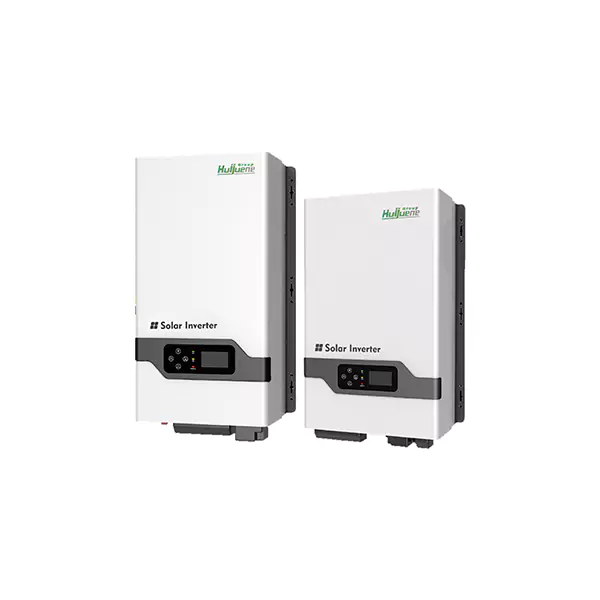
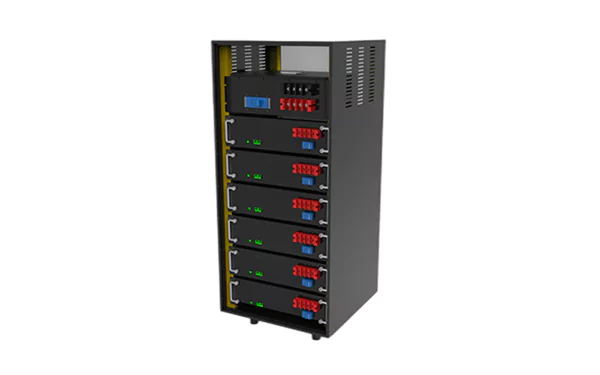
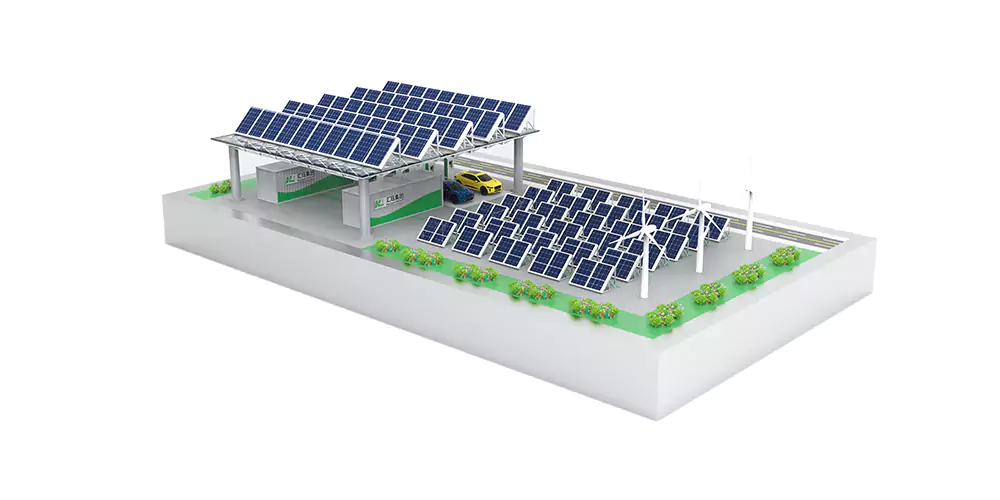
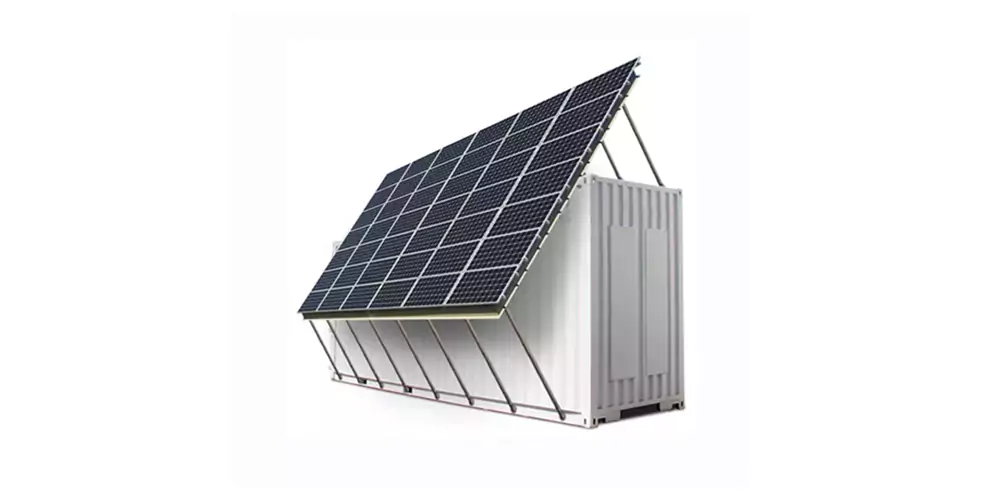
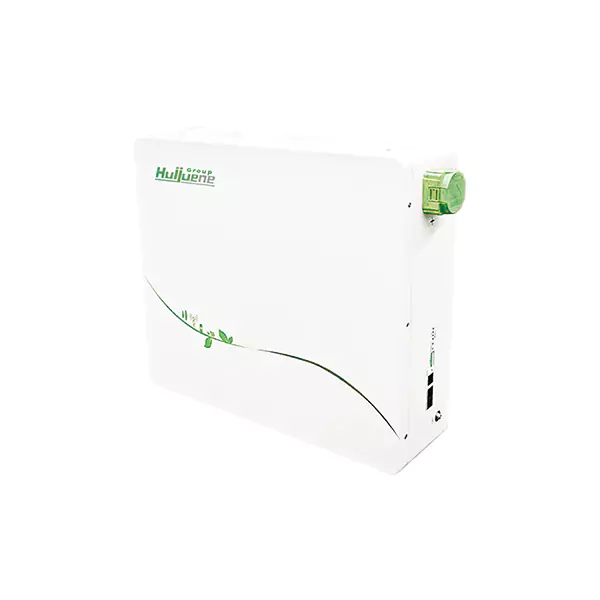
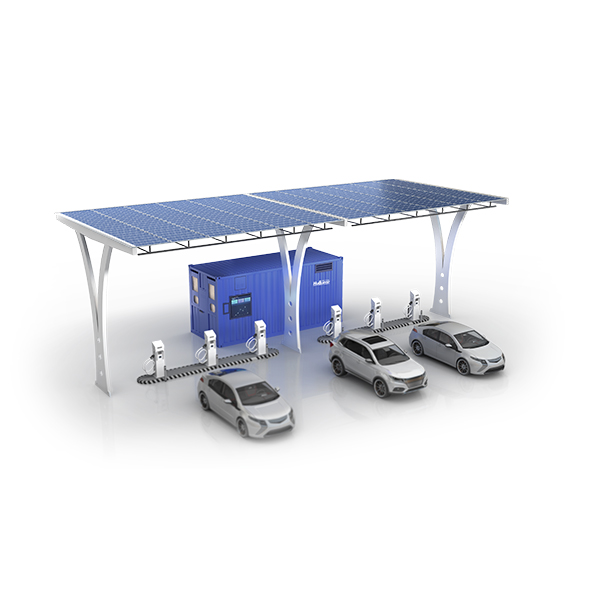
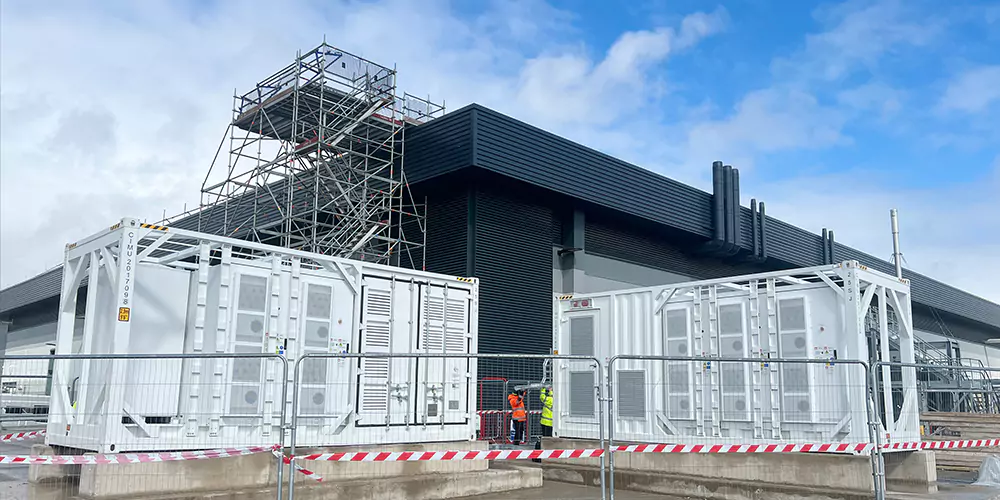
This wasn’t just a solar panel installation. It’s one of the most sophisticated hospital energy systems in the country. The solar setup includes a total capacity of 1.2MW DC. Placement: 800kW of panels on the rooftops (2,222 panels) and another 400kW mounted on carports above staff parking. The panels are bifacial monocrystalline, with 22.6% efficiency, capturing light from both sides. Six 200kW string inverters were used, specially designed with hospital-grade isolation to prevent electrical interference with sensitive medical equipment. The system produces about 1.82 GWh a year. The battery bank—the heart of critical care—has a total capacity of 2.4MWh, using lithium iron phosphate (LFP) batteries chosen because they have medical approval for safety and stability. The setup is eight 300kWh units housed in separate, dedicated rooms. The battery can power critical loads (like the ICU and OR) for 8 hours; the entire hospital for 2.4 hours; or just the ICU for 30 hours. The critical detail: the switchover time is under 20 milliseconds. That’s seamless. No alarms. No interruption. No manual resuscitation.
They classified every piece of equipment by its importance. Tier 1: life support—ventilators, monitors, defibrillators—on static transfer switches for instant, uninterruptible power. Tier 2: clinical equipment—imaging, lab, surgical tools. Tier 3: environmental—HVAC, lighting. Tier 4: administrative—offices and non-clinical areas. For Tier 1 and 2, they installed static transfer switches that react instantly. For the rest, automatic transfer switches handle the load. The entire system is monitored in real-time, with data points recorded every 100 milliseconds.
Before the installation, in 2025, the hospital’s energy bill was staggering: grid electricity: ₦12 million/month; diesel: ₦28 million/month; generator maintenance: ₦3.5 million/month; total: ₦43.5 million per month. Now, in 2026: grid consumption is down by 65% to ₦4.2 million/month; diesel consumption is down by 94% to ₦1.68 million/month; maintenance is down by 80% to ₦700,000/month; total: ₦6.58 million per month. That’s an annual saving of ₦443 million. But the real savings were intangible: they no longer lose ₦8–12 million a month to spoiled medication and vaccines; they no longer deal with medical errors caused by power fluctuations; the constant stress on staff to manage power failures is gone. The numbers tell the story: a simple payback period of less than two years; an internal rate of return just under 42%; the cost per reliable kilowatt-hour is now ₦42, down from ₦95.
The impact shows up in the clinical data: ICU mortality down by 8.5%; survival for babies under 1500g up by 11.2%; surgical site infections down by 12% because sterilization cycles are no longer interrupted; medication errors down by 23%. The physical environment changed, too. The noise levels in patient areas dropped by 42 decibels. For the first time, the hospital meets WHO noise standards. Patients report sleeping 23% better. Overall satisfaction scores jumped from 78% to 92%. For the staff, the change is just as profound. They’re no longer power managers. They can focus on being doctors and nurses. One nurse put it simply: “I don’t have to pray during surgeries anymore.”
Installing this system while the hospital was fully operational was a major challenge. They had to work around immunocompromised patients, sensitive equipment, and strict regulations. For infection control, they used negative pressure containment and HEPA filtration barriers for all construction zones. An infection control specialist monitored the work 24/7. Result: zero infections linked to the project. For electromagnetic interference, they housed all power electronics in EMI-shielded enclosures, added copper shielding to the electrical rooms, and used medical-grade isolation transformers. They tested every piece of equipment before installation. Result: no interference with any of the 1,200+ medical devices in the hospital. For the regulatory maze, they brought in an integrated design team from day one, engaged every regulatory body early, and submitted to third-party medical compliance certification. Result: full compliance with all 17 applicable regulations.
This model can be scaled across Nigeria. The hospital’s engineering team now has a playbook for different facility sizes: tertiary hospitals (500+ beds) need 1-2MW solar + 2-4MWh storage; general hospitals (100-500 beds) need 300-800kW solar + 600kWh-1.6MWh storage; primary health centers need 50-200kW solar + 100-400kWh storage; vaccine cold chain facilities need 10-50kW solar + 20-100kWh storage. Funding is available if you know where to look: the Federal Ministry of Health budget, state healthcare improvement funds, global health initiatives, and development banks all have programs for this.
National Hospital isn’t stopping here. Their roadmap for the next few years includes IoT sensors to monitor every piece of critical equipment in real-time; AI-powered optimization to match energy use with clinical workflows; blockchain to track vaccine cold chains from arrival to administration; and a fully digital “twin” of the hospital’s energy system to simulate and prepare for any scenario. They’re also building out pandemic resilience—dedicated microgrids for isolation wards, reliable power for telemedicine, and ultra-low temperature freezers for the next generation of mRNA vaccines.
For National Hospital, reliable power is no longer a luxury. It’s the foundation of patient safety. The old way—diesel generators, fuel shortages, and the constant threat of interruption—wasn’t just expensive. It was a clinical risk. This ₦850 million investment now saves ₦443 million a year in operating costs, but that’s almost beside the point. The real return is in the 8.5% drop in ICU deaths, the 11.2% improvement in neonatal survival, and the peace of mind that comes with knowing the lights will never go out in the middle of a surgery. For every other hospital administrator and policymaker reading this, the question isn’t whether you can afford to make this investment. It’s whether you can afford not to. The technology is proven. The financing exists. The need is urgent. In a Nigerian hospital, power reliability doesn’t just save money. It saves lives. And in that equation, there’s only one right choice.
```



 Inquiry
 Online Chat