


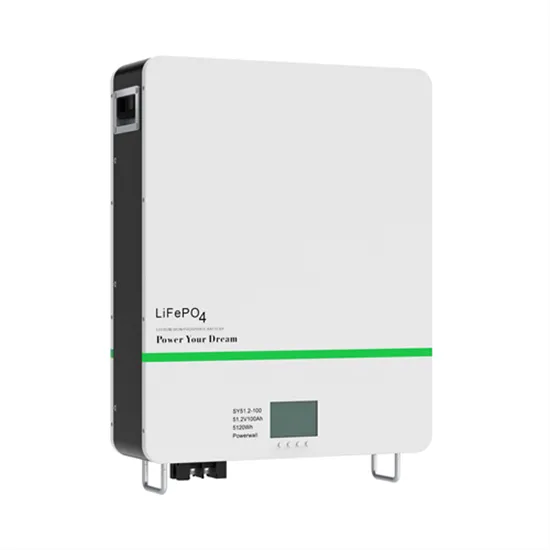
Poland's industrial sector heavily relies on combined heat and power (CHP) plants, which provide simultaneous electricity and district heating. Thermal inertia in heating networks enables BESS dispatch flexibility: batteries discharge during high-price periods while CHP plants maintain steady heat output, reducing electricity demand without compromising heating performance.
A pulp and paper manufacturing facility in southern Poland operates a 5 MW CHP plant serving both internal processes and local district heating customers. Integrating a 2 MWh BESS allows 4-hour peak-shaving during winter evenings—maximizing profit margins from Poland's highest-priced electricity hours while maintaining uninterrupted heat supply.
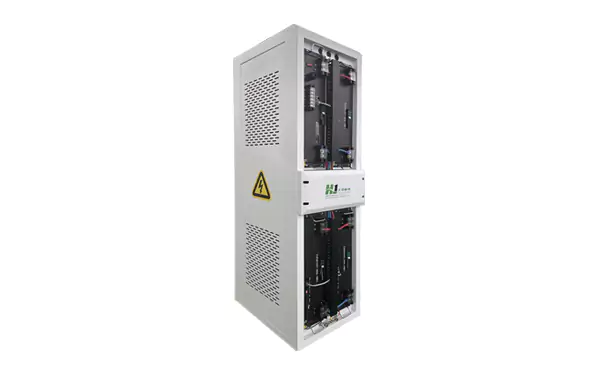
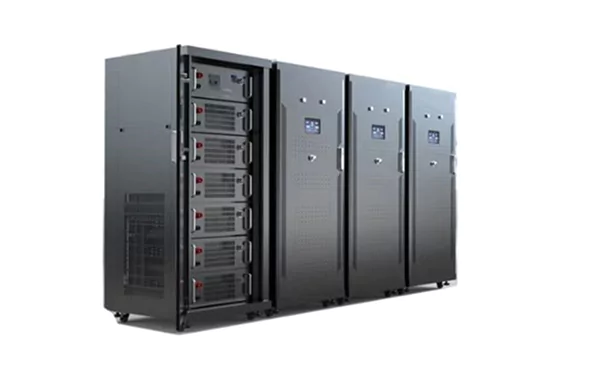
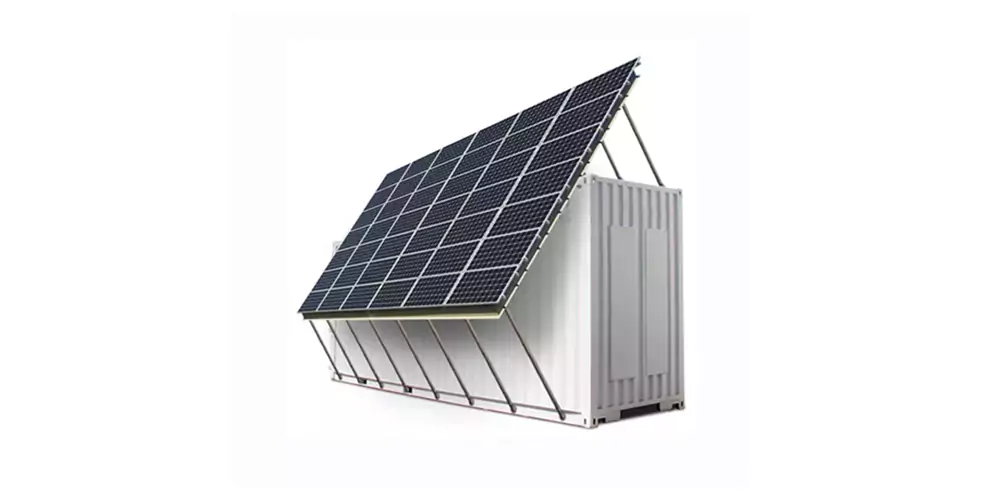
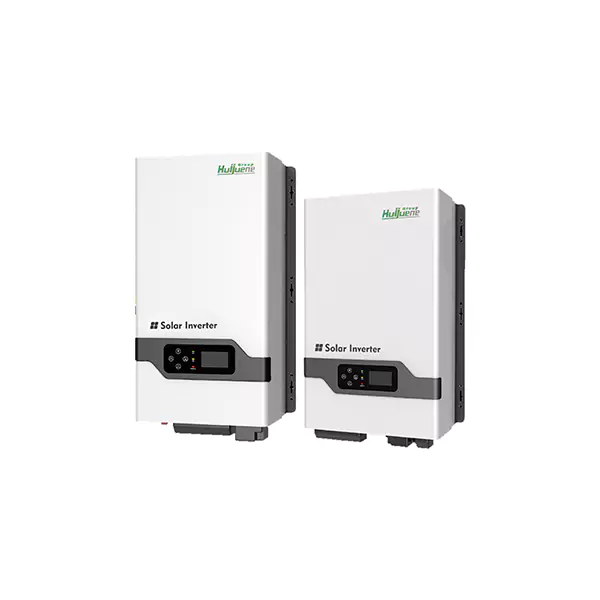
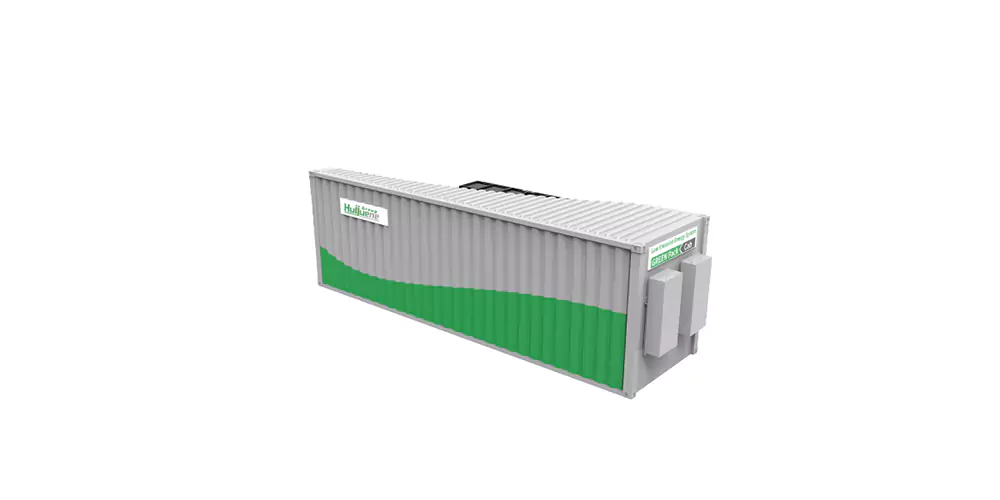
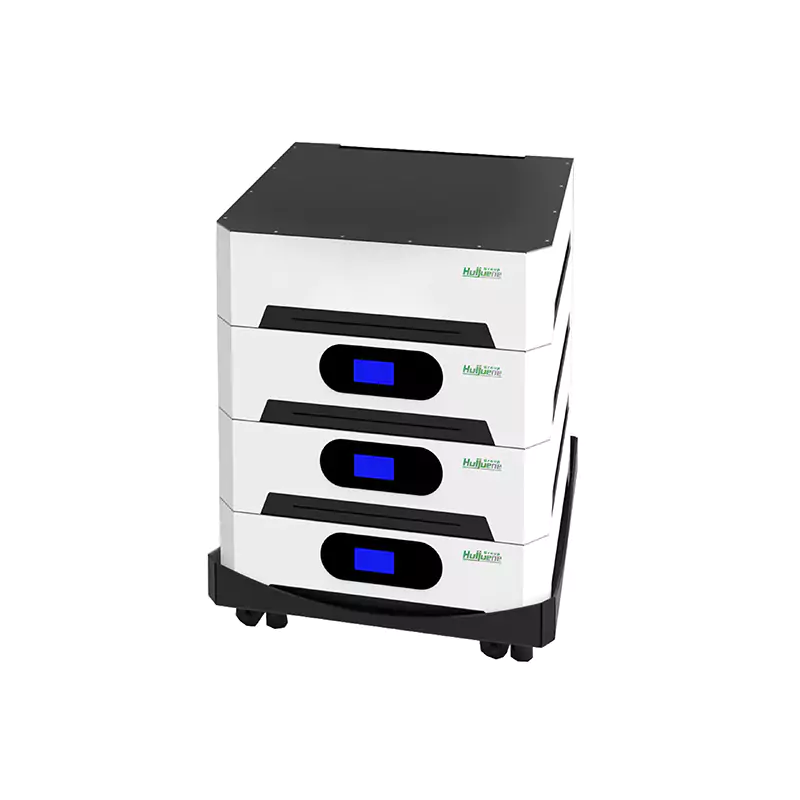
Huijue CHP-Compatible Energy Storage
Huijue's CHP-compatible BESS systems are designed for 15+ year operational lifespans in industrial thermal environments. The integration with CHP dispatch software enables holistic optimization: the system simultaneously minimizes electricity procurement costs, optimizes heat delivery, and participates in Poland's day-ahead electricity market.
Polish industrial clusters—such as the silicate and chemical production regions in Silesia—are integrating multi-MWh BESS fleets to stabilize CHP operations as variable renewables penetrate the grid. Huijue's modular approach enables incremental capacity expansion as Polish industrial facilities scale their renewable partnership.
The HuijueCloud platform provides CHP-BESS co-optimization analytics, calculating the optimal split between CHP electrical output and battery discharge at 15-minute intervals throughout the day. This dynamic approach has demonstrated 12–18% additional revenue for CHP operators in Poland compared to fixed-schedule battery dispatch.

 Inquiry
 Online Chat