


From Coal to Clean Energy: Poland's 2040 Energy Policy Blueprint Transforms the Market Poland's energy policy 2040 outlines a dramatic shift from coal dependency to renewable dominance. Explore how â¬100 billion in transformation investments will reshape the energy sector by 2030.
The Death of an Industry, The Birth of a Revolution
Something remarkable is happening in Poland. The same country that once called itself the "black coal heart of Europe" is now racing toward renewable energy faster than almost anyone predicted. The transformation isn't gradualâit's accelerating with urgency that surprises even optimistic observers. The numbers tell a striking story. Just eight years ago, coal provided nearly 80% of Poland's electricity generation. Today that figure has fallen below 60%, with solar and wind contributing record percentages during peak production periods. The trajectory suggests coal's role will continue declining regardless of policy interventions. This isn't about environmental idealism or EU pressureâthough both factors matter. It's about economics. New solar installations in Poland now generate electricity at costs below 0.10 EUR per kilowatt-hour, making them the cheapest source of new generation capacity. Wind costs have similarly plummeted. Meanwhile, coal plants struggle with rising carbon prices, aging infrastructure, and fuel costs that no longer compete. The Energy Policy of Poland until 2040 (EPP2040) provides the official roadmap, but actual developments are outpacing the document's projections. Solar capacity targets that seemed ambitious in 2021 were achieved by 2024. Wind development continues expanding despite historical resistance. Battery storage, barely mentioned in early policy discussions, now commands billion-euro subsidy programs. So what does Poland's energy revolution mean for businesses and households? Everything, actually. Energy costs affect every aspect of economic activity. The transition underway will reshape competitive dynamics across industries, create new opportunities for prepared investors, and fundamentally alter daily life for millions of Polish families. Understanding this transformation matters whether you're planning a business investment, considering home energy improvements, or simply curious about where your electricity comes from. The decisions made in the next few years will determine outcomes for decades.Understanding Poland's Energy Policy Framework
The Energy Policy of Poland until 2040 (EPP2040) was adopted in February 2021, establishing official government direction for the country's energy sector transformation. The document reflects compromises between climate ambitions, energy security concerns, and economic realities that characterize Polish energy politics. Core targets defined in the policy include:- Achieving carbon neutrality by 2050
- Phasing out coal in district heating by 2040
- Generating 32.6% of gross final energy consumption from renewables by 2030
- Reducing greenhouse gas emissions by 50.4% compared to 1990 levels by 2030
The Solar Explosion Nobody Predicted
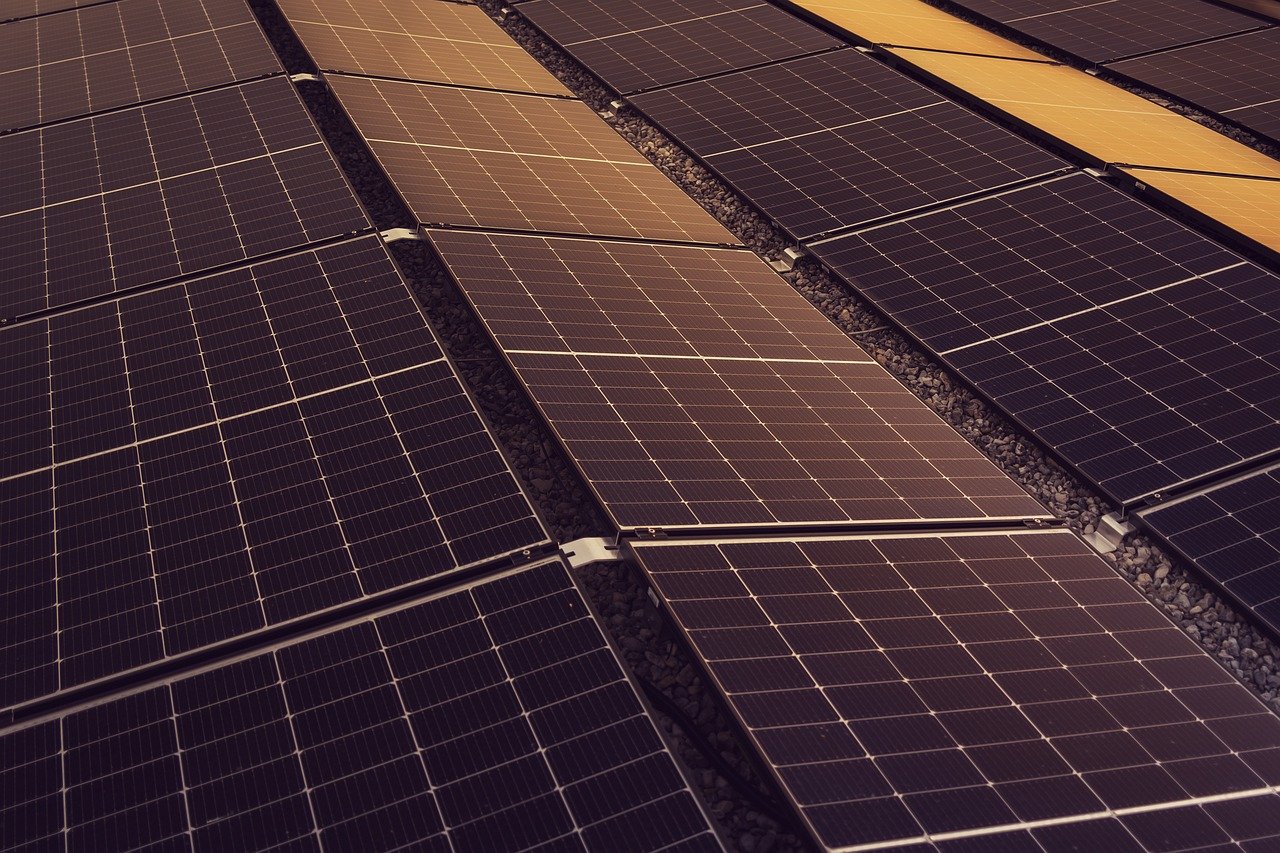
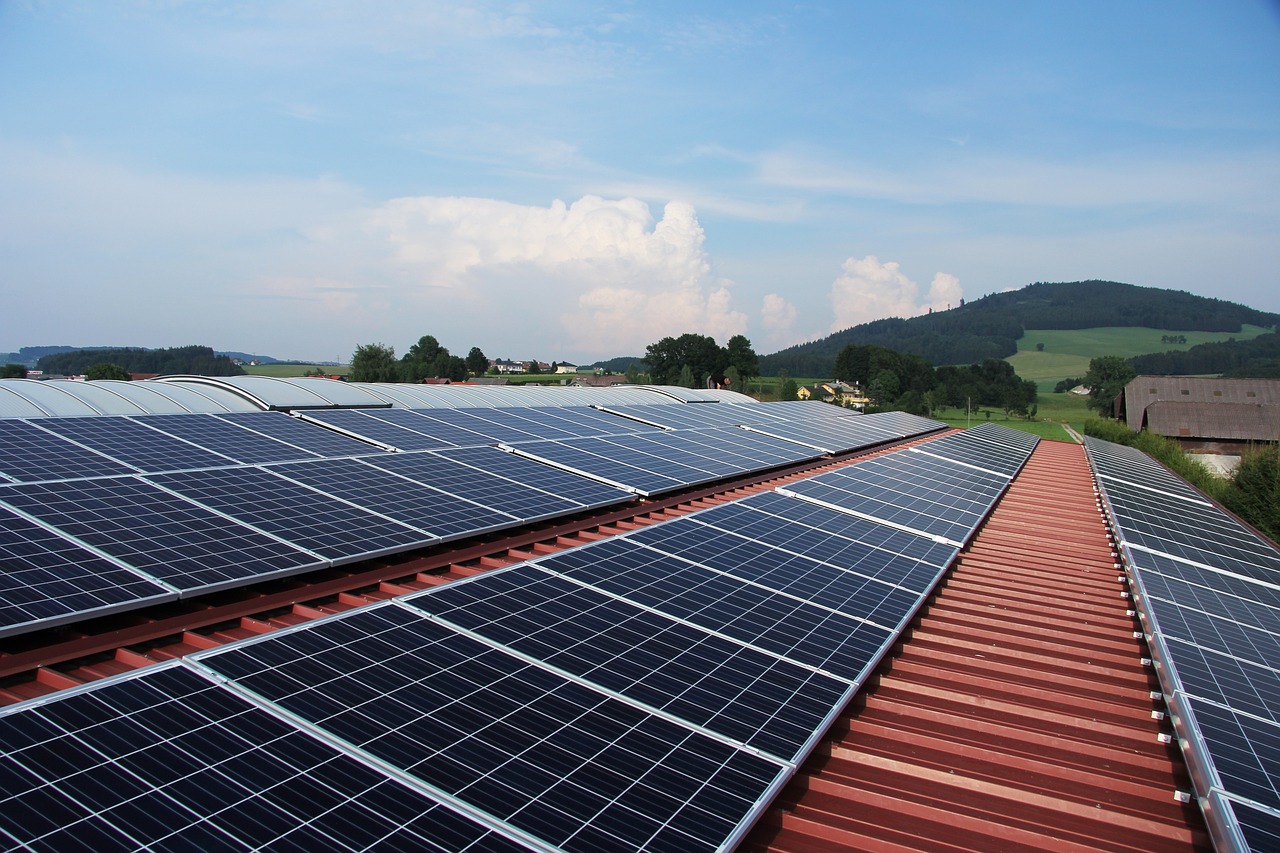
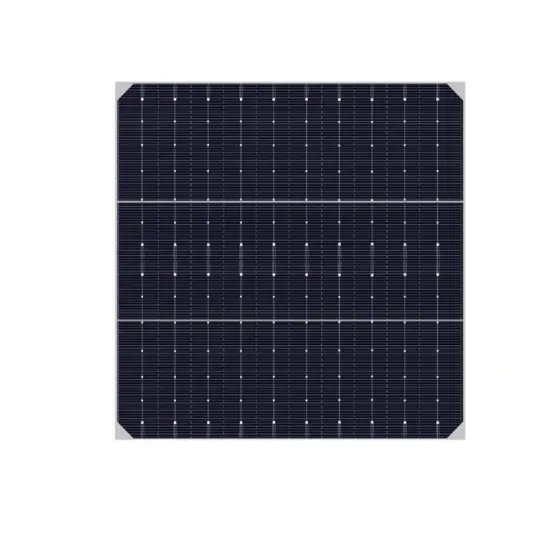
Solar energy's rise in Poland defies geographic expectations. The country receives less sunshine than Mediterranean nations frequently cited as solar leaders. Yet Poland has emerged as one of Europe's fastest-growing solar markets, with cumulative capacity exceeding 17 GW by late 2025. This growth reflects multiple converging factors. Global solar panel costs have declined dramaticallyâprices fell approximately 90% over the past decade, making installations economically viable even in less sunny climates. Poland's generous grid connection policies, initially designed for a different energy context, created favorable conditions for rooftop solar deployment. The prosumer phenomenon transformed residential energy. Hundreds of thousands of Polish households became electricity generators, selling excess power back to grids while consuming solar generation themselves. This distributed model dispersed renewable benefits across society rather than concentrating them in utility-scale projects. Policy evolution accelerated deployment. Early subsidy programs like Mój PrÄ d prioritized solar installation volume, successfully establishing a residential solar industry. Subsequent program iterations shifted emphasis toward storage integration, recognizing that net billing rules fundamentally changed optimal system design. Business solar deployment followed residential growth. Commercial rooftop installations on warehouses, shopping centers, and industrial facilities now contribute substantially to overall capacity. Corporate renewable Power Purchase Agreements have become common, with large energy consumers seeking solar supply contracts to meet sustainability commitments. Grid integration challenges emerged alongside rapid growth. Midday solar peaks sometimes exceed grid absorption capacity, creating curtailment situations that reduce renewable utilization. Battery storage deployment addresses this challenge while creating new revenue opportunities for storage-equipped facilities. The trajectory suggests continued solar expansion. Policy targets aim for 30+ GW of solar capacity by 2030, requiring annual additions of approximately 3-4 GW. This pace seems achievable given current installation rates and continued cost reductions.Wind Power's Steady Expansion
Onshore wind has long been Poland's primary renewable resource, with excellent conditions in northern coastal regions and inland areas. The technology's maturity and competitive costs make wind projects economically attractive regardless of subsidies. Distance requirement regulations historically constrained wind development. The 2025 deregulation reforms reduced these barriers, enabling deployment across larger geographic areas. Project development in previously restricted central Poland has emerged as a significant opportunity. Offshore wind represents the next frontier. The Baltic Sea offers substantial wind resources with relatively shallow waters suitable for foundation installation. Poland has awarded multiple offshore development permits, with first commercial projects expected to begin operations in the late 2020s. Combined offshore capacity targets reach 8-10 GW by 2040, representing tens of billions of euros in investment. These projects will require significant port infrastructure, transmission connections, and supply chain developmentâcreating economic activity across multiple sectors. Wind integration with storage and hydrogen production offers pathway options. Excess wind generation during high-production periods could supply electrolysis facilities producing green hydrogen for industrial applications and transportation. This flexibility makes wind assets more valuable as renewable penetration increases.The Battery Storage Revolution
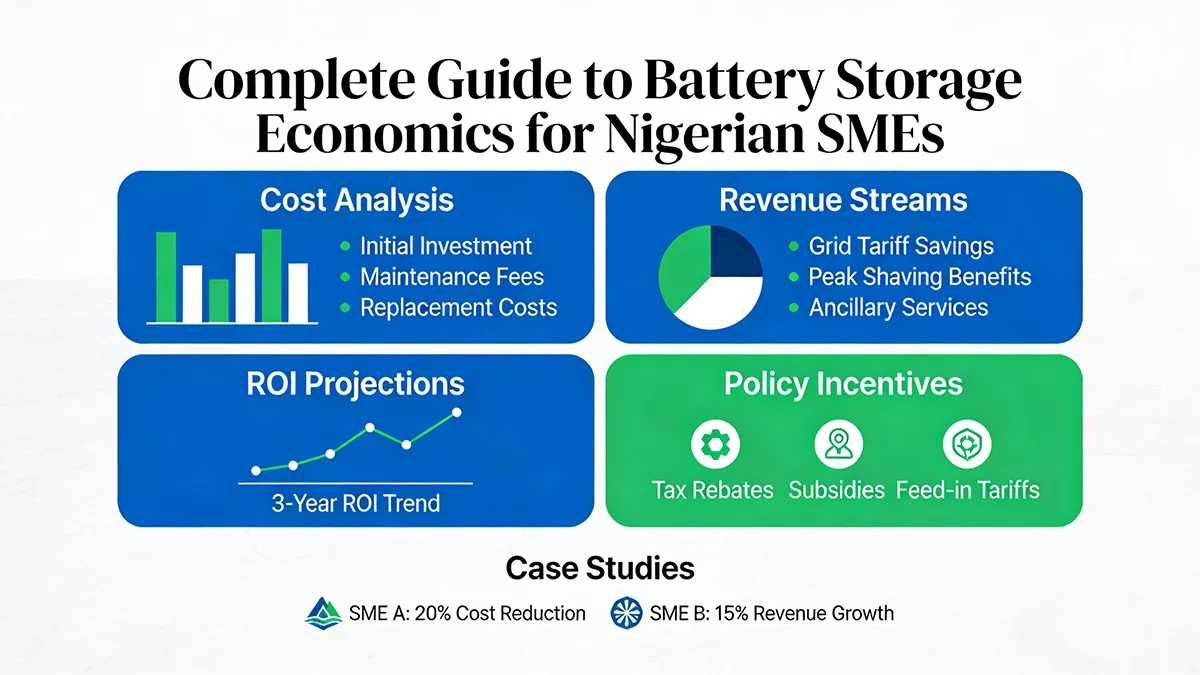
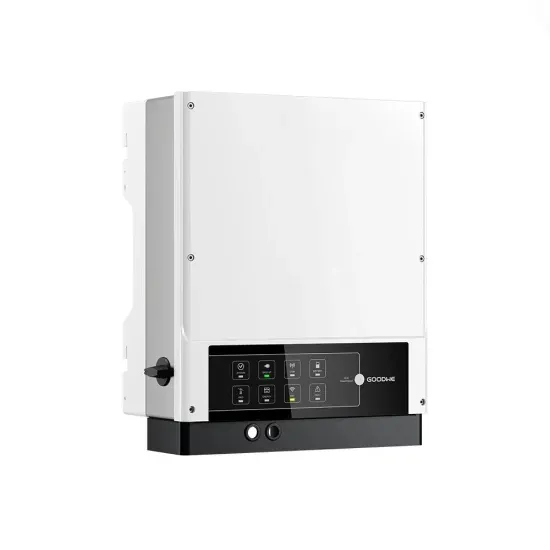
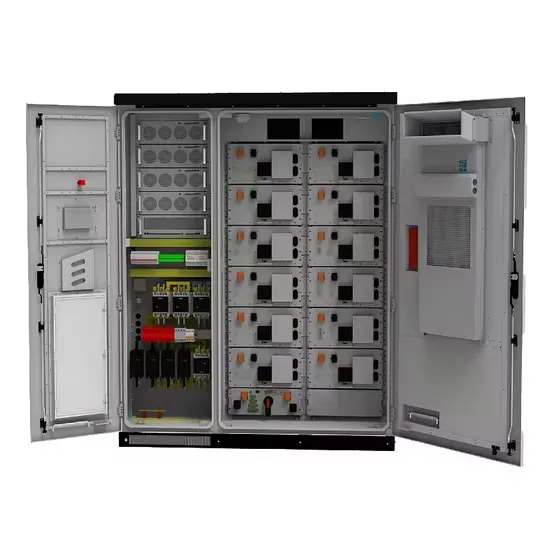
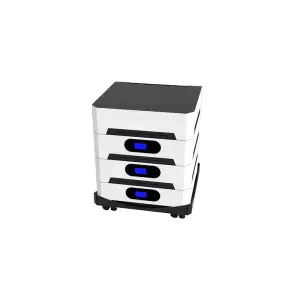
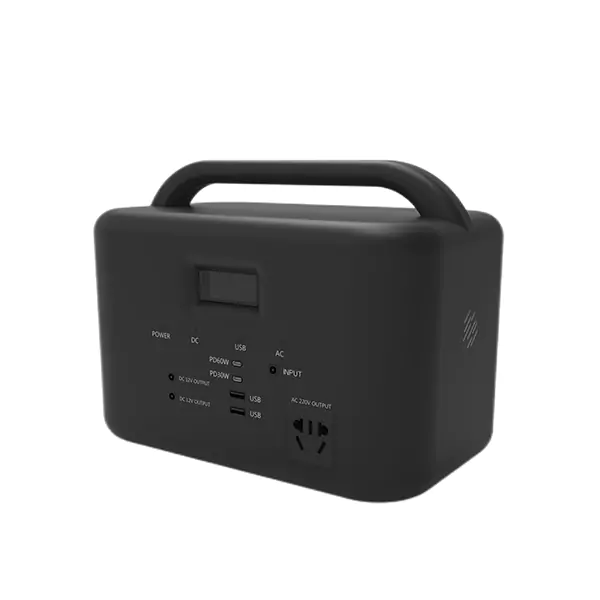
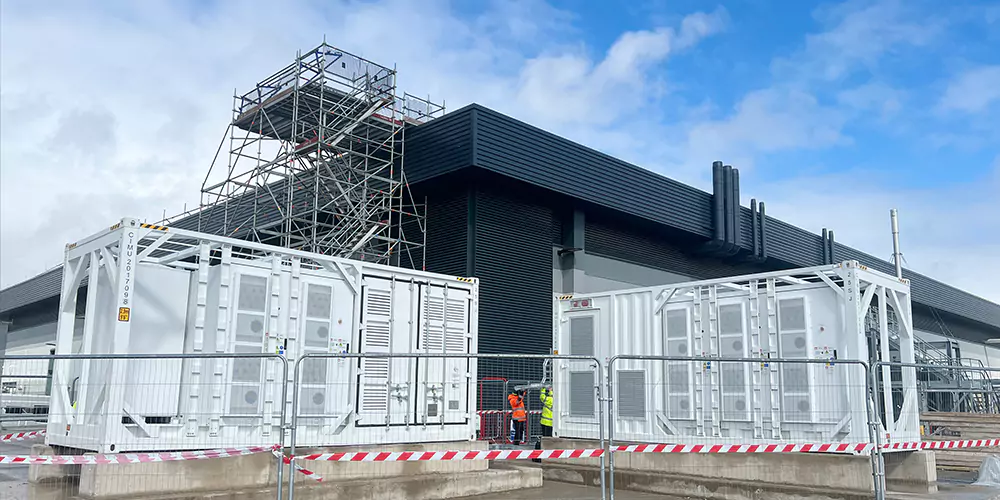
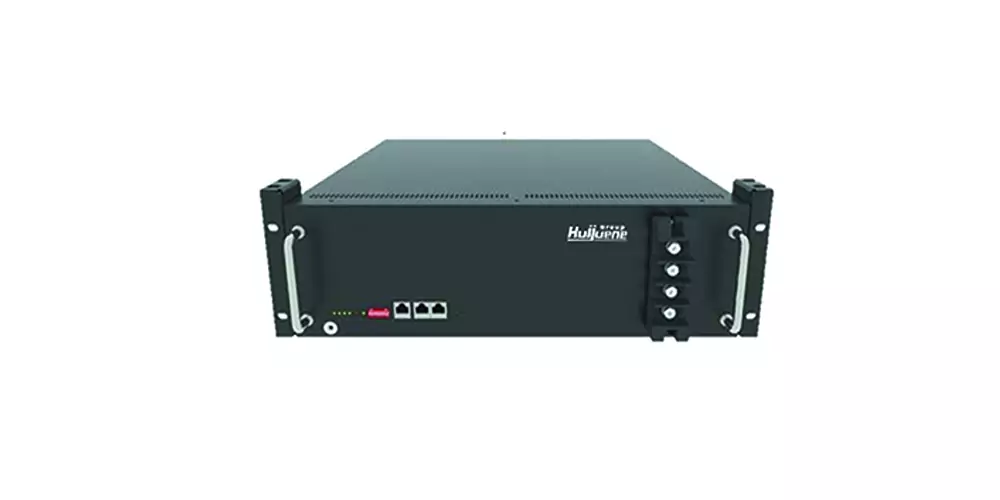
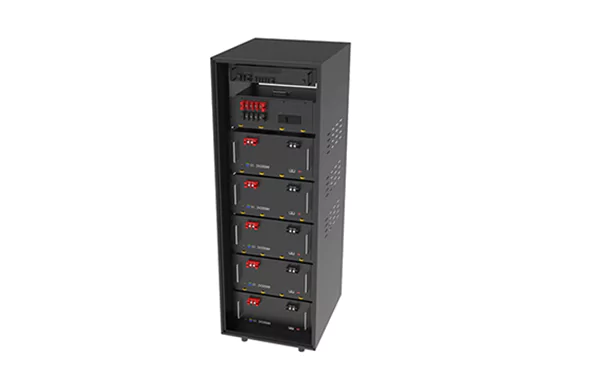
Energy storage has emerged as the essential complement to renewable expansion. Without storage, solar and wind generation face utilization constraints during oversupply and shortage periods. Battery systems resolve this tension by storing excess generation for later use. Poland's battery deployment has accelerated dramatically. Utility-scale storage projects in development or construction now total several gigawatt-hours, with commercial and industrial installations adding substantial capacity. Residential battery adoption, incentivized through Mój PrÄ d subsidies, grows monthly as homeowners recognize net billing economics. The 5 GWh energy storage subsidy program, launched in 2025 with PLN 4 billion (approximately â¬1 billion) in funding, targets commercial and industrial battery deployment. The program offers support covering up to 65% of project costs for qualifying small businesses, dramatically improving storage investment returns. Battery technology continues improving. Lithium Iron Phosphate chemistry has largely displaced older technologies in new installations, offering superior safety, longevity, and performance characteristics. Costs have declined approximately 85% over the past decade, with continued reductions expected. Grid services represent significant storage revenue opportunity. Battery systems can provide frequency regulation, capacity reserves, and demand response servicesâgenerating revenues separate from energy time-shifting. These ancillary markets provide early storage adopters with attractive returns while supporting broader grid stability. Distributed residential storage aggregated across thousands of households could function as virtual power plants. This concept, where household batteries coordinate to provide grid services, offers intriguing possibilities for Poland's energy future. Regulatory frameworks are beginning to accommodate these distributed resource models.The Coal Transition Challenge
Coal's decline creates profound challenges alongside economic opportunities. The Silesian mining region and surrounding communities depend heavily on coal-related employment, with tens of thousands of direct mining jobs and hundreds of thousands more in supporting industries. The Social Contract for the Mining Industry, signed in May 2021, established a framework for managed coal phaseout. Key provisions include:- Closure of the last coal mine by 2049
- Retraining programs for affected workers
- Regional economic development funding
- Pension provisions for older miners
Investment Implications for Businesses
The energy transition creates substantial investment opportunities across multiple sectors. Forward-thinking businesses are positioning themselves to capture value from changing energy economics. Manufacturing facilities stand to benefit significantly from renewable energy cost reductions. Industrial electricity prices in Poland have historically exceeded European averages, partly due to coal infrastructure costs. Competitive renewable power supply contracts can substantially reduce operating expenses for energy-intensive operations. Energy-intensive industries like aluminum smelting, steel production, and chemicals manufacturing face particular opportunities. These sectors consume enormous electricity volumes, making energy cost reductions transformative for competitiveness. Poland's geographic position and renewable resources could attract such industries seeking European production bases. Commercial real estate developers increasingly incorporate solar-plus-storage in building designs. Warehouse rooftops, office building facades, and parking structures offer deployment opportunities that reduce tenant energy costs while improving building sustainability credentials. Green building certification requirements drive adoption even where economics aren't immediately compelling. Logistics and cold storage operations represent particularly attractive battery storage applications. These facilities have predictable high-demand periods, substantial refrigeration loads, and roof space for solar deployment. Energy cost management directly affects profitability, creating strong incentives for optimization. Supply chain positioning matters for equipment providers and service companies. Renewable installation and maintenance services face growing demand, creating opportunities for businesses developing relevant capabilities. Energy storage, grid services, and electric vehicle charging infrastructure represent adjacent growth markets.Household Energy Decisions
Residential energy transformation affects millions of Polish families. The choices households make about solar, storage, and consumption patterns will determine individual outcomes from the transition underway. Homeowners with suitable roofs face compelling solar economics even after net billing changes. System costs have declined to levels where grid parity is achievable in many configurations. Combined with Mój PrÄ d subsidies, residential solar investments can deliver reasonable returns while reducing environmental impact. Battery storage integration has become essential rather than optional. Net billing rules make self-consumption optimization criticalâbattery-equipped homes achieve substantially better returns than solar-only installations. The incremental storage investment pays back within years rather than decades. Heat pump adoption offers pathway to decarbonized heating. Poland's coal phaseout in district heating creates urgency for alternative heating solutions. Air-source and ground-source heat pumps powered by solar generation provide attractive alternatives to natural gas or oil heating. Energy efficiency improvements remain foundational. Insulation, window upgrades, and efficient appliances reduce total consumption, making renewable investments more effective. Combined with storage and heat pump deployment, efficiency measures can achieve near-zero-energy homes. Electric vehicle adoption creates additional opportunities and challenges. Vehicle-to-home technology, where EVs provide backup power and grid services, remains emerging but offers intriguing possibilities. Solar-plus-storage-plus-EV combinations create comprehensive household energy solutions. Low-income households face different challenges. Capital constraints limit ability to invest in solar and storage despite long-term savings potential. Government assistance programs and innovative financing mechanisms must address these equity concerns to ensure inclusive transition.The Grid of the Future
Poland's electrical grid requires massive modernization to accommodate renewable penetration and changing consumption patterns. The transmission and distribution network was designed for centralized fossil fuel generationâa model fundamentally different from tomorrow's distributed renewable reality. Grid expansion investments total tens of billions of euros over coming decades. New transmission lines will connect northern wind resources with southern industrial demand. Distribution networks require upgrades to handle bidirectional power flows from rooftop solar installations. Smart grid technologies enable more sophisticated grid management. Advanced metering, automated distribution systems, and distributed energy resource management platforms allow operators to balance complex renewable portfolios more effectively. These investments improve efficiency while enabling greater renewable penetration. Storage deployment supports grid stability as renewable penetration increases. Utility-scale batteries provide frequency regulation and capacity services currently supplied by fossil fuel generators. Distributed residential storage aggregated through virtual power plant arrangements adds further flexibility. Electrification of transportation and heating creates both challenges and opportunities. Electric vehicles and heat pumps increase electricity demand while offering flexibility potential through managed charging and demand response. Smart home systems can coordinate these loads with renewable generation patterns.What Comes Next
Poland's energy transition is accelerating beyond official projections. The policy framework provides direction, but market forces and technology economics are driving faster change than planners anticipated. Renewable capacity additions will continue regardless of policy interventionâthe economics are simply too compelling. Grid integration, storage deployment, and system flexibility represent the binding constraints on transition speed. Energy storage economics will increasingly dominate system planning. Battery costs continue declining while renewable penetration creates growing need for balancing services. The energy storage industry faces substantial growth over the coming decade. Hydrogen may emerge as significant energy vector. Green hydrogen production using surplus renewable electricity offers pathway for utilizing generation that would otherwise be curtailed. Industrial applications and transportation fuels represent potential markets. Nuclear power's role remains uncertain. The government's nuclear development plans face substantial timelinesâfirst large-scale plants won't operate until the 2030s. The technology may prove essential for deep decarbonization but offers limited near-term contribution. Regional coordination with European energy markets will intensify. Interconnections with Germany, Czech Republic, and Scandinavian hydro resources enable renewable integration by providing access to diverse generation sources and storage options across larger geographic areas. The transition creates winners and losers. Businesses and households that adapt quickly capture value from changing conditions. Those that resist change face rising costs and declining relevance. The energy transformation is as much about competitive dynamics as environmental sustainability.Your Role in Poland's Energy Future
Poland's energy transformation isn't just about power plants and policy documentsâit's about millions of individual decisions that aggregate into national outcomes. Your choices matter, whether as a business owner, homeowner, or energy consumer. For businesses, the transition creates opportunities to reduce costs, improve sustainability credentials, and position for a carbon-constrained future. The companies that thrive will be those that understand and adapt to changing energy economics. For households, residential solar-plus-storage represents one of the best investments available. Supported by government programs and driven by attractive economics, household energy systems can deliver returns while contributing to national transition goals. The window for favorable conditions won't remain open indefinitely. Policy support reflects current political commitment that may evolve. Technology costs, while declining, won't continue falling indefinitely. The best time to act is now rather than waiting for conditions that may never improve further. Poland's journey from coal dependency to renewable leadership represents one of the most significant economic transformations in European history. The destination is increasingly clearâa clean energy system that provides reliable, affordable, sustainable electricity for all. The question isn't whether this transformation will happen. It's whether you'll benefit from the changes underway or simply witness them from the sidelines. Your energy future starts now.


 Inquiry
 Online Chat