


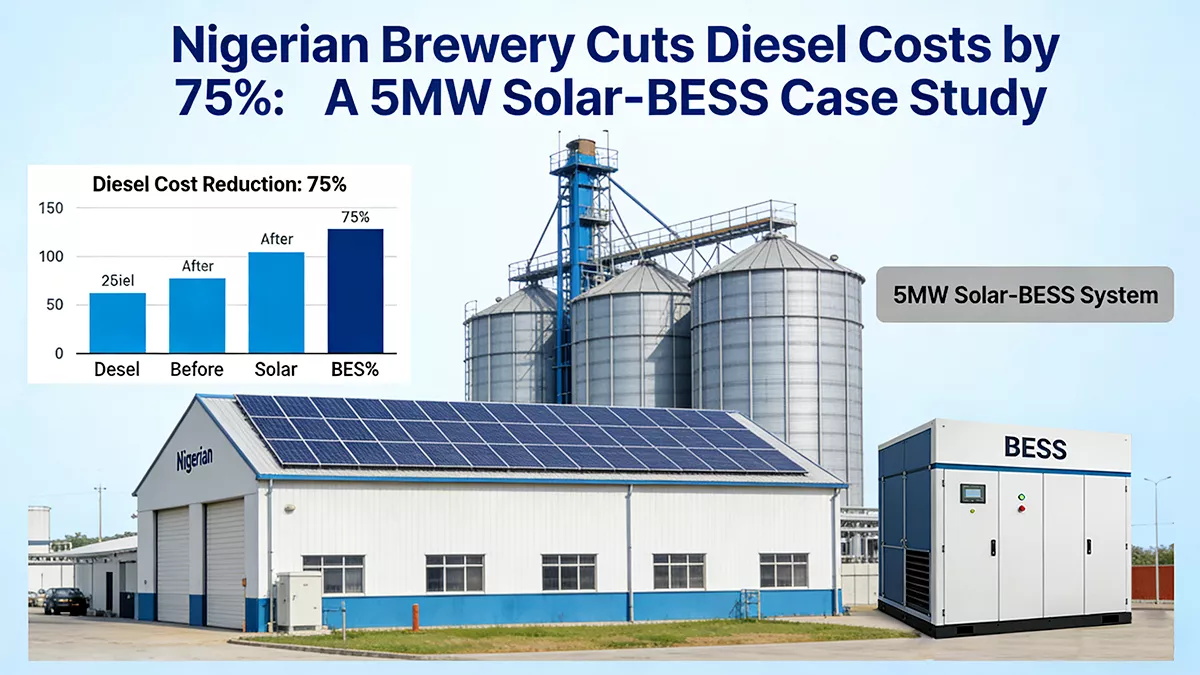
The ₦2.8 Billion Diesel Bill That Threatened Nigeria's Beer Production
Imagine running a factory that produces 1.2 million hectoliters of beer annually—enough to fill 48 Olympic swimming pools—while spending ₦235 million monthly on diesel fuel just to keep the lights on and the production lines running. That was the reality for Nigerian Breweries PLC's Ibadan plant in 2025, where unreliable grid power forced continuous operation of massive diesel generators that consumed 650,000 litres of fuel monthly.
The numbers paint a stark picture of industrial energy vulnerability:
- Annual diesel expenditure: ₦2.82 billion ($1.9 million)
- Grid availability: 6-8 hours daily average
- Production interruptions: 3-4 days monthly due to fuel supply issues
- Carbon footprint: 17,500 tonnes CO₂ annually from generators alone
Beyond the financial costs, the operational implications were severe. Temperature-sensitive brewing processes suffered from power fluctuations. Packaging lines stopped mid-cycle during generator refueling. Quality control became challenging with inconsistent power supply. Most critically, the company's sustainability commitments—including a pledge to reduce carbon intensity by 25% by 2025—were becoming impossible to meet.
The breaking point came when diesel prices hit ₦480 per litre in Q4 2025. Management faced an existential question: could Nigeria's second-largest brewery remain competitive while spending 18-22% of production costs on backup power?
Their answer was a transformative energy strategy that has become a benchmark for Nigerian industrial operations.
System Design: Engineering for 24/7 Brewery Operations
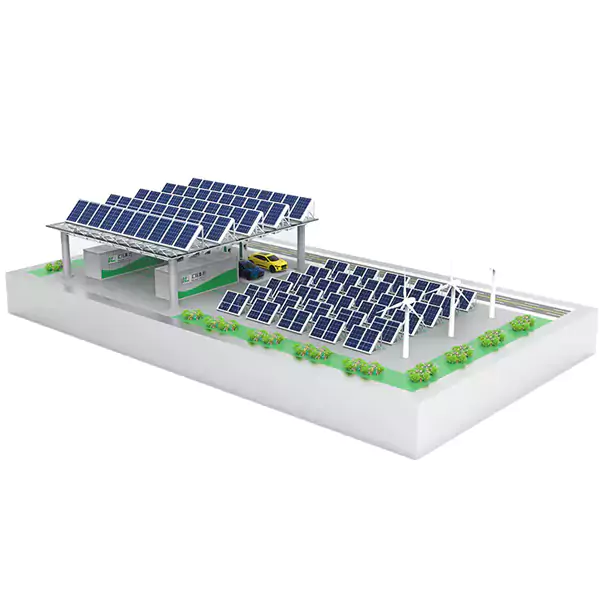
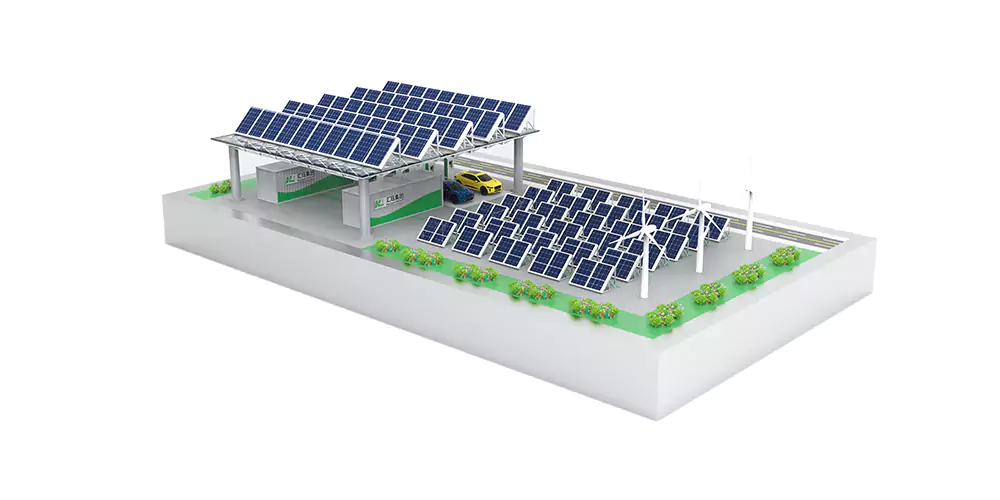
The installation represents one of West Africa's most sophisticated industrial solar+storage systems:
Solar Array Specifications
- Total capacity: 5MW DC (5,000kW)
- Panel configuration: 11,112 x 450W bifacial monocrystalline modules
- Mounting: Ground-mounted tracking system (2-axis) on 8 hectares
- Inverters: 20 x 250kW central inverters with advanced grid support
- Annual generation: 8.4 GWh (4.6 kWh/kW/day average)
- Land utilization: Dual-use agriculture under panels (maize cultivation)
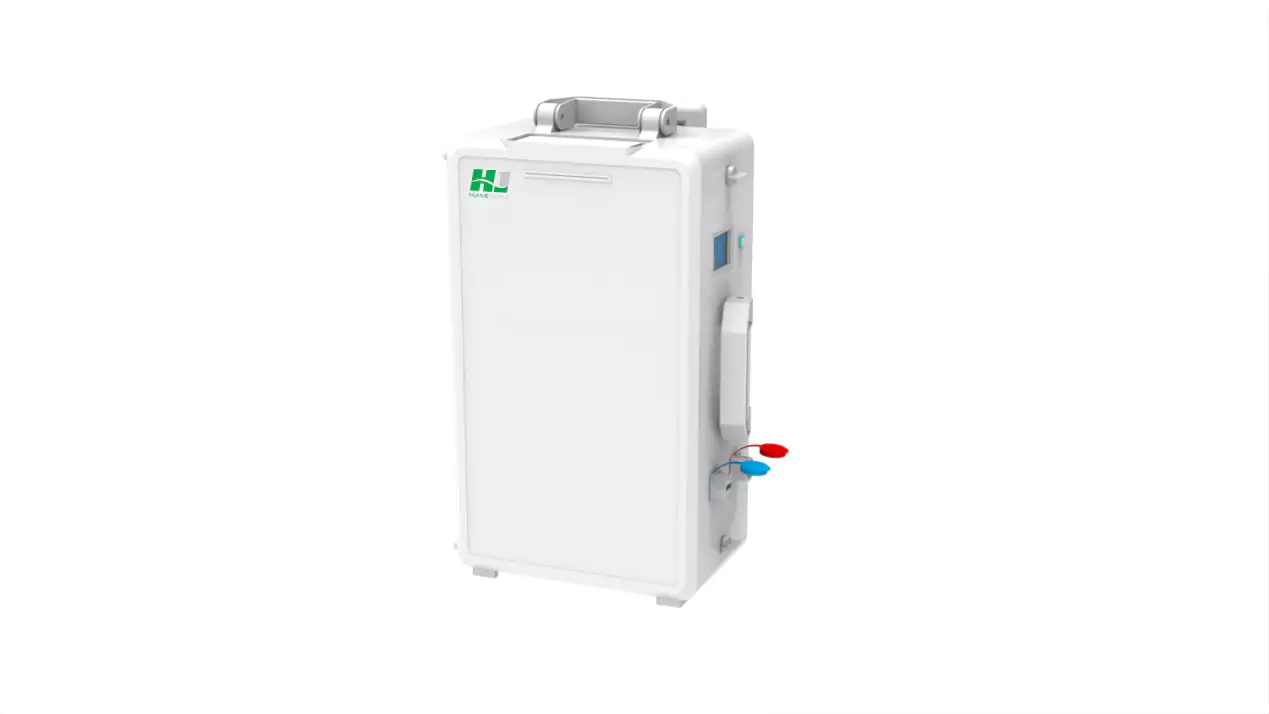
Battery Energy Storage System
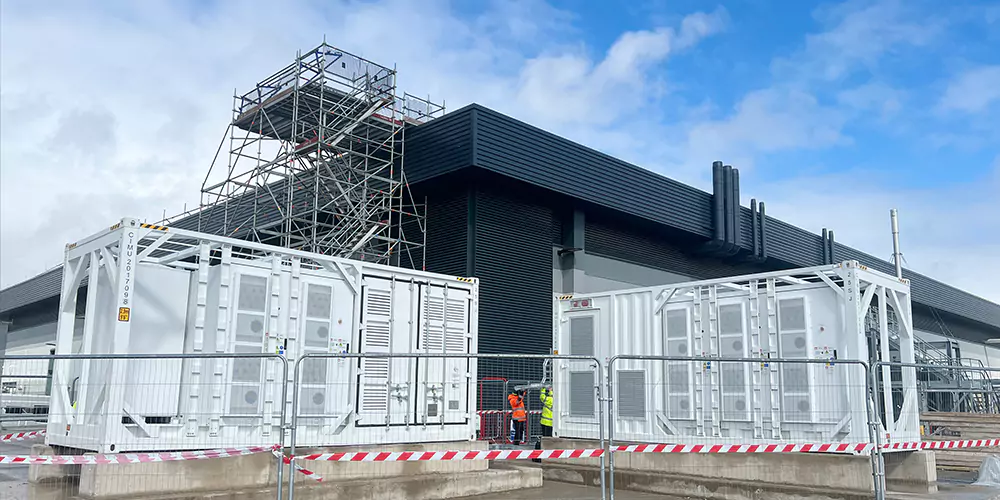
- Total capacity: 10MWh (10,000 kWh)
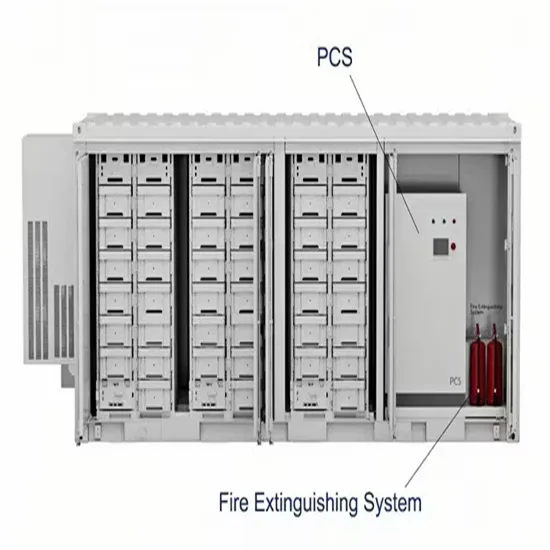
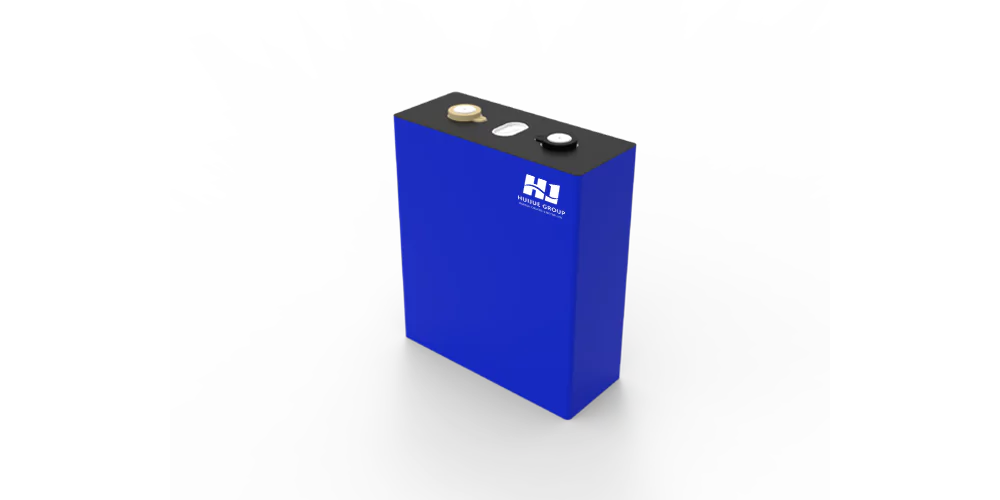
- Chemistry: Lithium iron phosphate (LFP) with liquid cooling
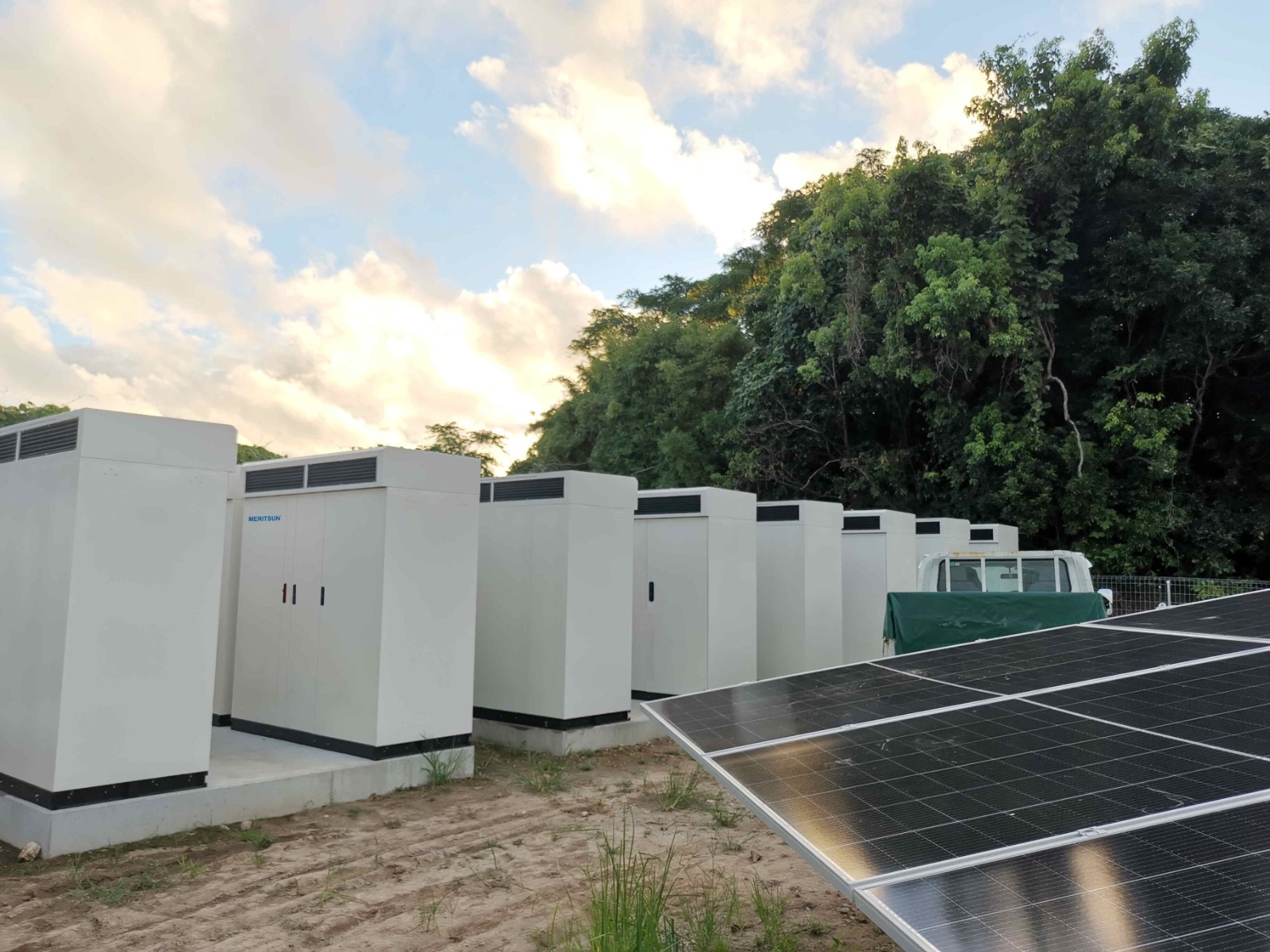
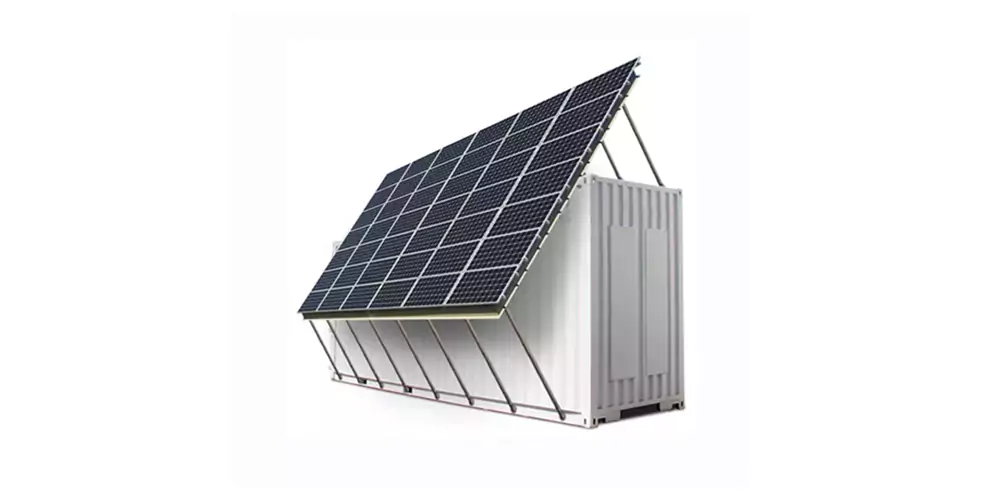
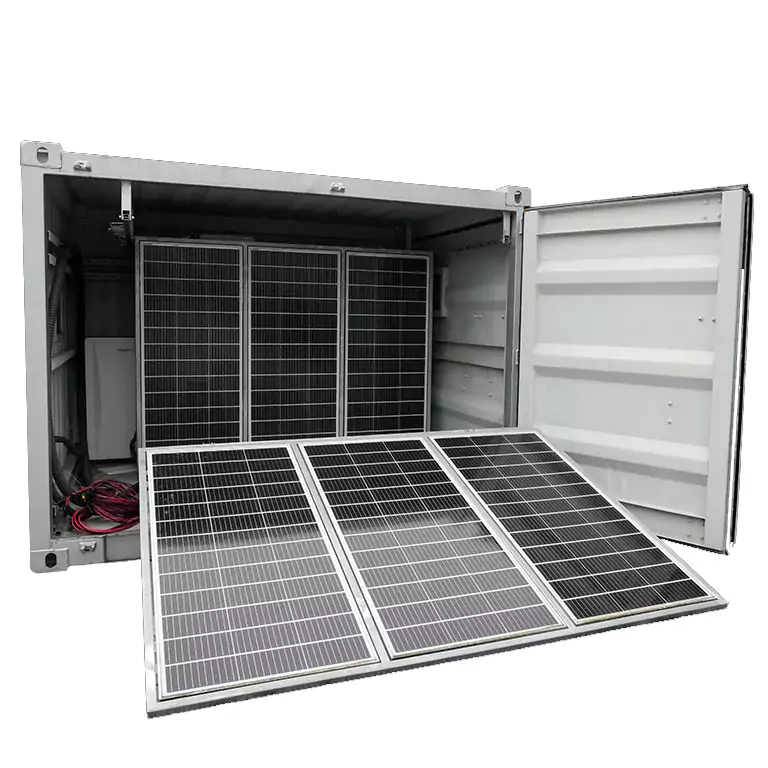
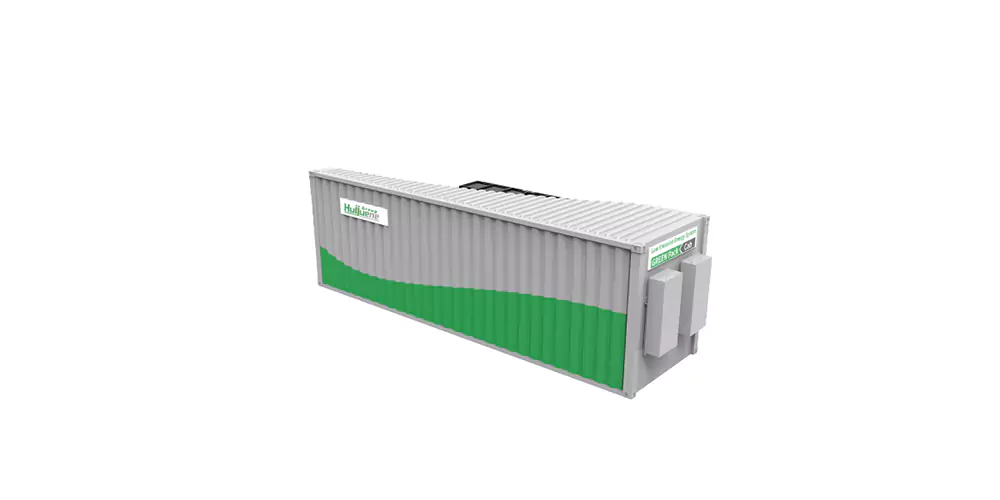
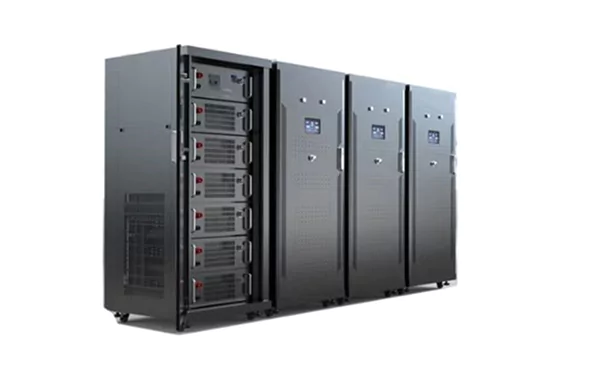
- Configuration: 4 x 2.5MWh containerized units
- Power rating: 5MW continuous (0.5C discharge rate)
- Autonomy: 6 hours at critical load (3MW)
- Cycle life: 8,000 cycles to 80% depth of discharge
Industrial Power Management
- Process prioritization: Brew kettles and fermentation first
- Load shedding: Non-critical packaging equipment during deficits
- Generator integration: Smart paralleling with existing diesel capacity
- Energy optimization: AI-based scheduling based on production plans
Financial Analysis: From Cost Center to Strategic Asset
The project economics demonstrate industrial-scale viability:
Capital Investment Breakdown
- Solar panels & trackers: ₦750 million ($507,000)
- Battery storage system: ₦900 million ($608,000)
- Inverters & substation: ₦300 million ($203,000)
- Installation & civil works: ₦250 million ($169,000)
- Total investment: ₦2.2 billion ($1.487 million)
Funding Structure
- Corporate equity: ₦660 million (30% from Nigerian Breweries)
- Development finance: ₦1.32 billion (60% from AfDB at 6.5%)
- Grant support: ₦220 million (10% from NEP Power Initiative)
- Effective cost: ₦1.98 billion after tax credits
Operational Savings Analysis
Before installation (2025 baseline):
- Grid electricity: ₦25 million monthly (₦300 million annually)
- Diesel generation: ₦235 million monthly (₦2.82 billion annually)
- Total energy cost: ₦260 million monthly (₦3.12 billion annually)
- Energy intensity: 2.6 kWh per liter of beer produced
After installation (2026 performance):
- Grid consumption reduced by 70%: ₦7.5 million monthly
- Diesel consumption reduced by 75%: ₦58.75 million monthly
- Total energy cost: ₦66.25 million monthly (₦795 million annually)
- Annual savings: ₦2.325 billion
- Energy intensity: 1.4 kWh per liter (46% improvement)
Additional benefits:
- Excess solar export: ₦4.2 million monthly (₦50.4 million annually)
- Demand charge reduction: ₦1.8 million monthly (₦21.6 million annually)
- Carbon credit potential: $65,000-85,000 annually
- Total annual benefit: ₦2.397 billion
Investment Returns
- Net present value: ₦8.9 billion (25% discount rate)
- Internal rate of return: 32.7% (pre-tax)
- Payback period: 4.1 years (including financing costs)
- Levelized cost of energy: ₦28.5/kWh (vs ₦95/kWh diesel)
Technical Performance in Demanding Industrial Conditions
The system operates under challenging brewery conditions:
Energy Generation Excellence
- Design target: 8.4 GWh annually
- Actual performance: 8.92 GWh (6.2% above target)
- Capacity factor: 20.4% (vs 19.2% design)
- Peak generation: 5.21MW (104% of rated capacity)
- Bifacial gain: 8-12% additional yield from ground reflection
Battery System Reliability
- Daily cycles: 1.4 average (supports evening production shift)
- Depth of discharge: 70% average (optimized for brewery load pattern)
- Round-trip efficiency: 92.1% measured
- Temperature management: Maintains 25-35°C in Nigerian climate
- State of health: 98.8% after first year
Power Quality for Sensitive Processes
- Voltage stability: ±1.5% (vs ±8-12% with generators)
- Frequency regulation: 50.0±0.1Hz (critical for motor control)
- Harmonic distortion: THD < 2.5% (vs 6-8% with generators)
- Transient response: <100ms for load changes (brewing process critical)
Production Impact: Beyond Energy to Operational Excellence
The energy transformation has delivered unexpected production benefits:
Brewing Process Improvements
- Temperature control: Mash tun temperatures stable within ±0.5°C (vs ±2-3°C)
- Fermentation consistency: Yeast activity improved by 15-18%
- Cleaning efficiency: CIP systems operate with consistent pressure
- Water treatment: Stable power improves reverse osmosis performance
Packaging Line Enhancements
- Line speed: Increased from 32,000 to 36,000 bottles/hour
- Downtime reduction: Generator refueling interruptions eliminated
- Quality control: Vision inspection systems now 99.2% accurate (vs 94%)
- Maintenance intervals: Motor and drive lifespan extended by 25-30%
Supply Chain Reliability
- Production planning: 99.7% adherence to schedule (vs 91%)
- Inventory management: Reduced safety stock by 18-22%
- Customer delivery: On-time in-full (OTIF) improved to 98.5% (vs 89%)
- Export operations: No power-related delays in port operations
Environmental and Social Impact
The project delivers significant sustainability benefits:
Carbon Footprint Reduction
- Diesel displacement: 5.85 million litres annually avoided
- Grid electricity reduction: 5.25 GWh annually avoided
- CO₂ reduction: 15,600 tonnes annually
- Scope 2 emissions: Reduced by 84%
- Carbon intensity: 0.85 kg CO₂/liter (vs 1.45 previously)
Local Environmental Improvements
- Air quality: Particulate matter reduced by 12 tonnes annually
- Noise pollution: 55 dB reduction in surrounding communities
- Water conservation: Reduced generator cooling water by 3.8 million liters
- Land use: 8 hectares under solar providing shade crops
Community Benefits
- Local employment: 85 jobs during construction, 12 permanent positions
- Skill development: 28 technicians trained in solar maintenance
- Agricultural productivity: Maize yield under panels: 2.8 tonnes/hectare
- Community projects: Solar-powered water pumping for adjacent village
Implementation Challenges Unique to Brewery Operations
The project overcame industry-specific obstacles:
Challenge 1: Continuous Process Requirements
Problem: Brewing requires 24/7 power with no interruption Solution:
- N+1 redundancy for all critical components
- Seamless transfer switching (<20ms)
- Battery capacity for 6-hour autonomy at full load
- Result: Zero production interruptions post-installation
Challenge 2: High Humidity and Temperature
Problem: Ibadan's climate stresses electrical equipment Solution:
- IP65 enclosures for all outdoor components
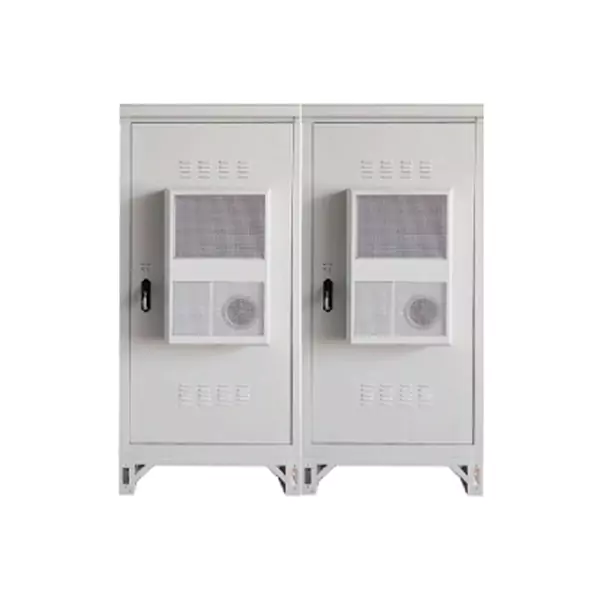
- Active cooling for inverters and battery containers
- Corrosion-resistant materials and coatings
- Result: 99.4% availability despite harsh conditions
Challenge 3: Regulatory Compliance
Problem: Food-grade manufacturing has stringent requirements Solution:
- HACCP-compliant installation procedures
- No penetration of production building envelopes
- Separate electrical rooms with controlled access
- Result: Full compliance with all food safety standards
Maintenance Program for Industrial Reliability
The brewery implemented a rigorous maintenance regime:
Preventive Maintenance Schedule
- Hourly: Automated system health checks
- Daily: Visual inspections, performance logging
- Weekly: Cleaning of 20% of tracking system
- Monthly: Battery capacity testing, inverter diagnostics
- Quarterly: Torque checks, thermal imaging, firmware updates
- Annual: Complete system audit with manufacturer participation
Predictive Maintenance Integration
- Vibration monitoring: Early detection of tracker issues
- Thermal analytics: Identify hotspots before failures
- Performance trending: Detect degradation before warranty claims
- Remote diagnostics: Manufacturer support via secure connection
Staff Competency Development
- Certification program: 15 staff trained to international standards
- Emergency response: Simulated outage drills quarterly
- Spare parts strategy: Critical components stocked on-site
- Knowledge management: Digital maintenance manuals and procedures
Scalability and Replication Potential
The model is applicable across Nigerian industry:
Suitable Industrial Sectors
- Food & beverage: Breweries, bottling plants, processing
- Manufacturing: Textiles, automotive, assembly
- Chemicals: Processing plants with continuous operations
- Mining: Remote operations with high energy costs
- Agriculture: Processing facilities with seasonal loads
Minimum Viability Criteria
- Energy consumption: >3 GWh annually
- Land availability: >2 hectares for ground mount
- Load profile: Daytime operations with consistent base load
- Financial capacity: Ability to access 5-7 year project finance
- Management commitment: Willingness to transform energy strategy
Implementation Pathways
- Greenfield: New facilities designed with solar integration
- Retrofit: Existing operations adding solar+storage
- Expansion: Phased approach starting with solar, adding storage
- Joint development: Partnerships with independent power producers
Future Evolution: Towards Net-Zero Brewing
The brewery is planning next-generation sustainability:
Renewable Integration Roadmap
- Phase 2 (2027): Additional 5MW solar + biogas from spent grains
- Phase 3 (2028): Green hydrogen for process heating
- Phase 4 (2029): Carbon capture from fermentation
- Target: Net-zero Scope 1 & 2 emissions by 2030
Circular Economy Initiatives
- Spent grains: Anaerobic digestion for biogas production
- Wastewater: Treatment with energy recovery
- Packaging: Increased recycled content and returnable systems
- Supply chain: Renewable energy requirements for suppliers
Market Leadership Opportunities
- Green certification: First net-zero beer in West Africa
- Carbon-neutral logistics: Electric delivery fleet powered by solar
- Sustainable sourcing: Local barley with reduced water footprint
- Consumer engagement: Transparency through blockchain tracking
The Bottom Line: Redefining Industrial Competitiveness
Nigerian Breweries' Ibadan plant transformation demonstrates that industrial energy transition is not just environmentally responsible—it's commercially essential:
1. Cost competitiveness: 75% reduction in energy costs transforms profitability 2. Operational resilience: 24/7 reliable power enables production excellence 3. Sustainability leadership: Carbon reduction aligns with global market expectations 4. Innovation platform: Energy infrastructure enables future technologies 5. Talent attraction: Modern facilities attract and retain skilled workforce
The implications for Nigerian manufacturing are profound. As energy costs continue to rise and sustainability becomes a market requirement, companies that fail to transition will face existential threats. Those that embrace solar+storage will gain competitive advantages that extend beyond energy savings to product quality, brand reputation, and market access.
For industrial leaders watching this case study, the message is clear: the era of diesel dependency is ending. The era of renewable-powered manufacturing has begun. The question is not whether to transition, but how quickly to act.
Every day of delay represents millions in unnecessary costs, missed opportunities, and growing competitive disadvantage. The technology is proven. The economics are compelling. The future belongs to those who power their production with the sun.
 Inquiry
 Online Chat