


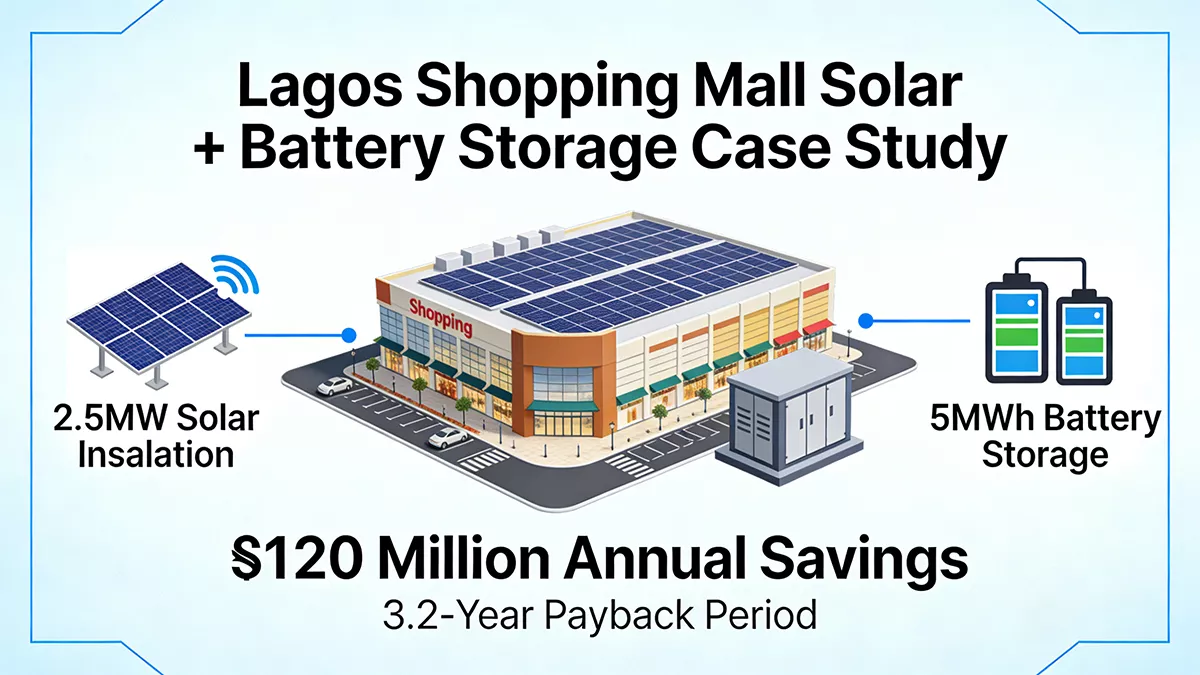
The ₦420 Million Problem That Became a ₦120 Million Annual Solution
Picture the scene: Ikeja City Mall, one of Lagos's busiest retail destinations, was spending ₦35 million monthly on electricity—₦420 million annually. That's not just an operating cost; it's a strategic vulnerability. With grid power available only 8-10 hours daily, the mall relied on 12 diesel generators running almost continuously, creating noise pollution, air quality issues, and operational complexity that frustrated both tenants and customers.
The breaking point came in Q3 2025 when diesel prices hit ₦450 per litre. The mall's energy costs were escalating at 15-20% annually, threatening tenant affordability and the mall's competitive position. Management faced a stark choice: continue absorbing rising costs or fundamentally reimagine their energy strategy.
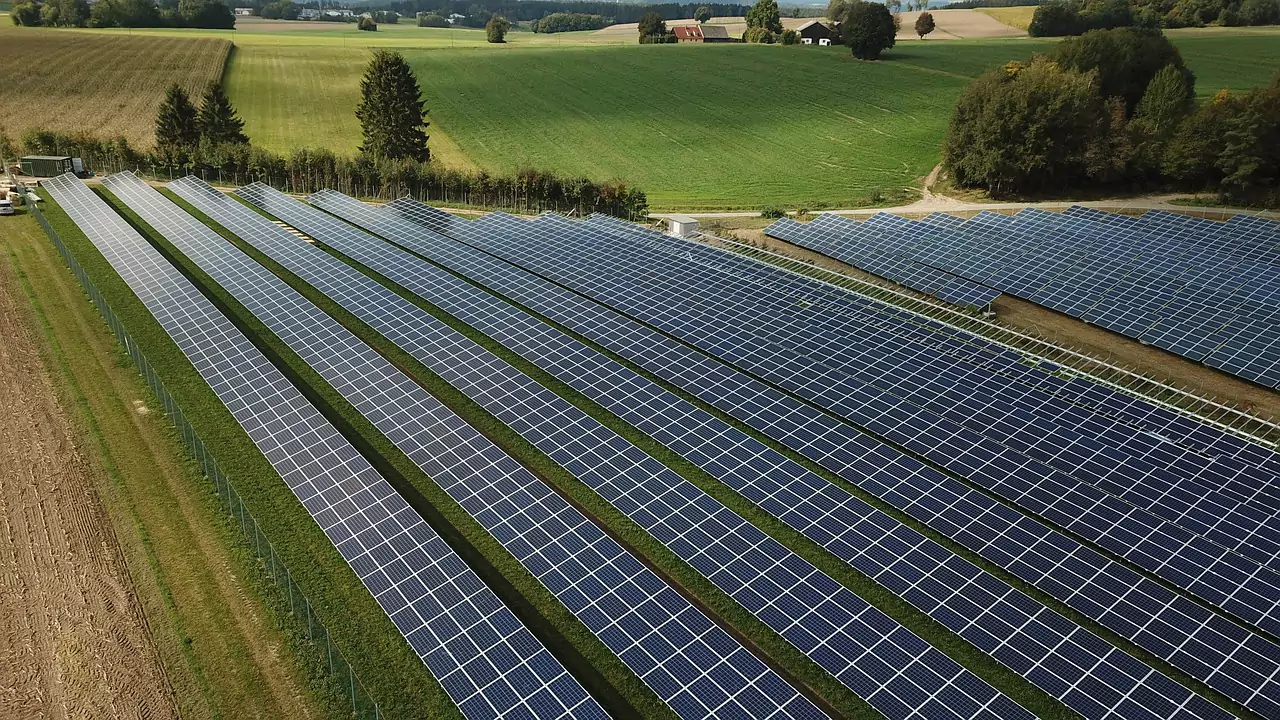
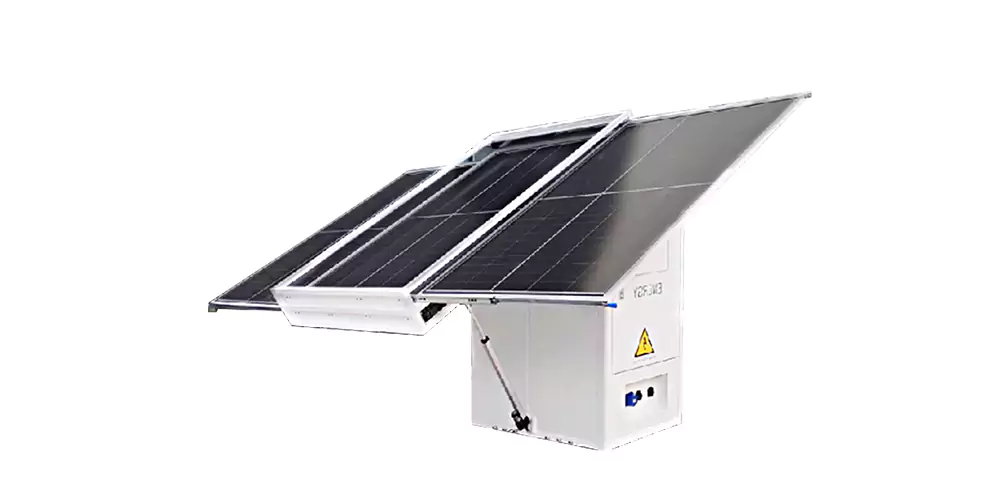
They chose transformation. In December 2025, Ikeja City Mall completed installation of West Africa's largest rooftop solar-plus-storage system: 2.5MW of solar panels covering 18,000m² of rooftop space, coupled with 5MWh of lithium-ion battery storage. The results? Annual energy savings of ₦120 million, 92% reduction in diesel consumption, and a payback period of just 3.2 years.
This isn't just a success story—it's a blueprint for commercial property owners across Nigeria facing similar energy challenges.
System Design: Engineering for Maximum Reliability
The installation represents a masterclass in commercial-scale solar+storage design:
Solar Array Configuration
- Total capacity: 2.5MW DC (2,500kW)
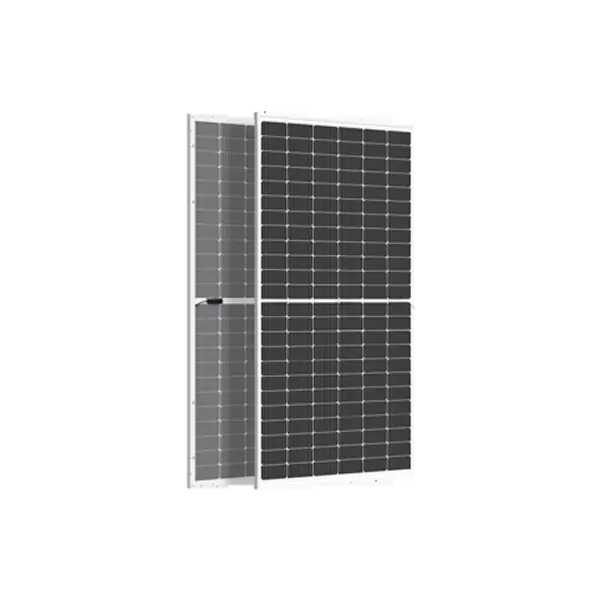
- Panel count: 5,556 x 450W monocrystalline PERC modules
- Rooftop coverage: 18,000m² (60% of available roof area)
- Mounting system: Ballasted non-penetrating racks (protects waterproofing)
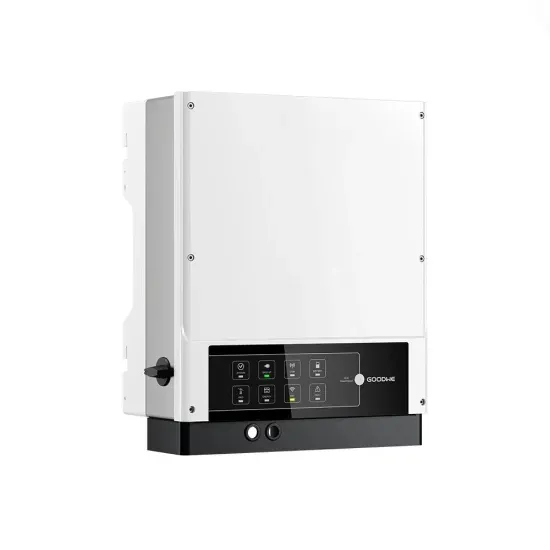
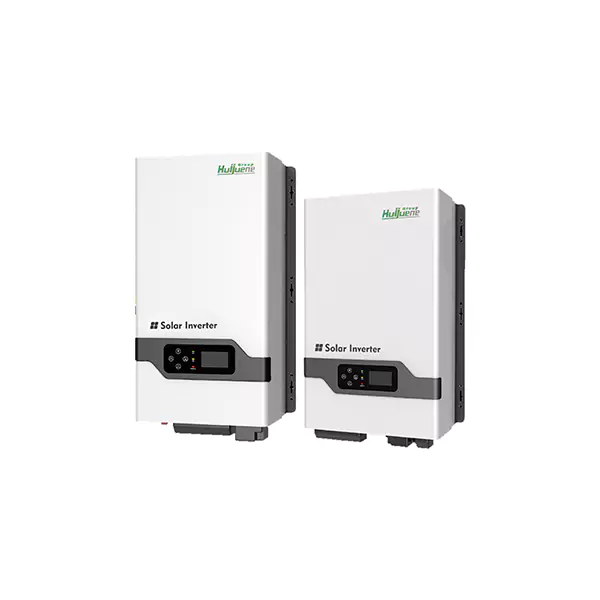
- Inverters: 25 x 100kW string inverters with individual MPPT
- Annual generation: 3.65 GWh (4.2 kWh/kW/day average)
Battery Storage System
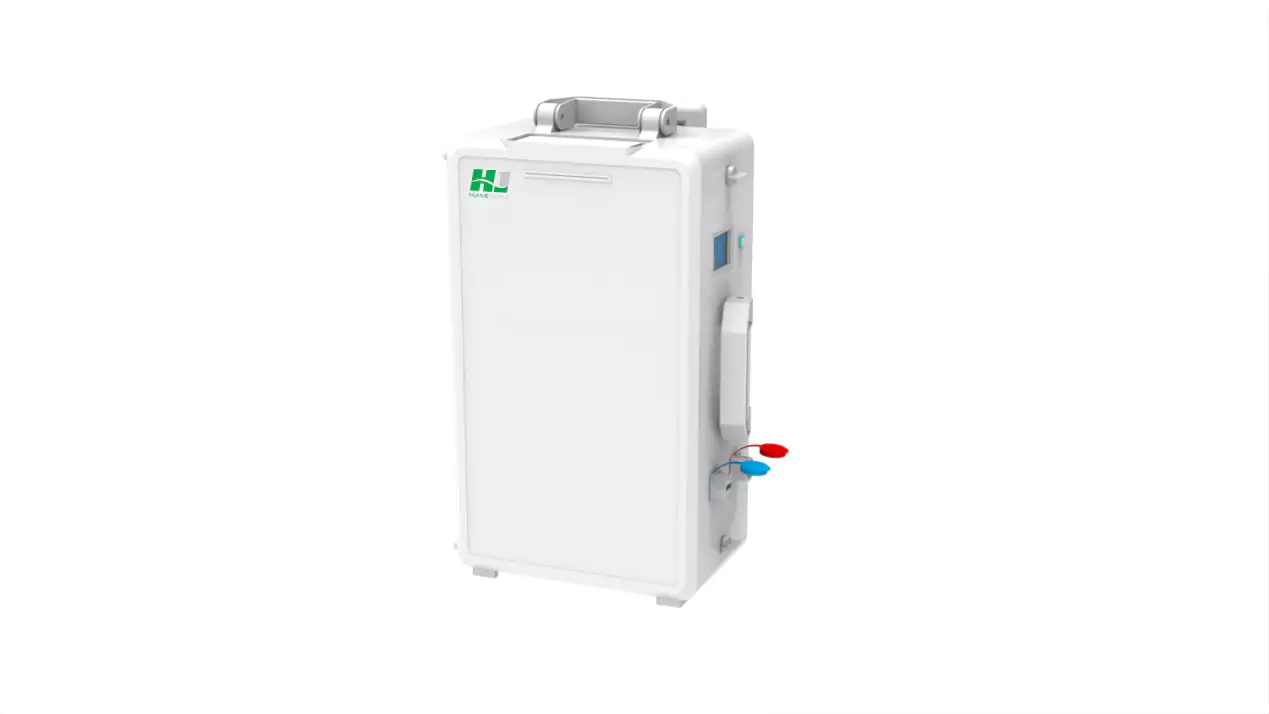
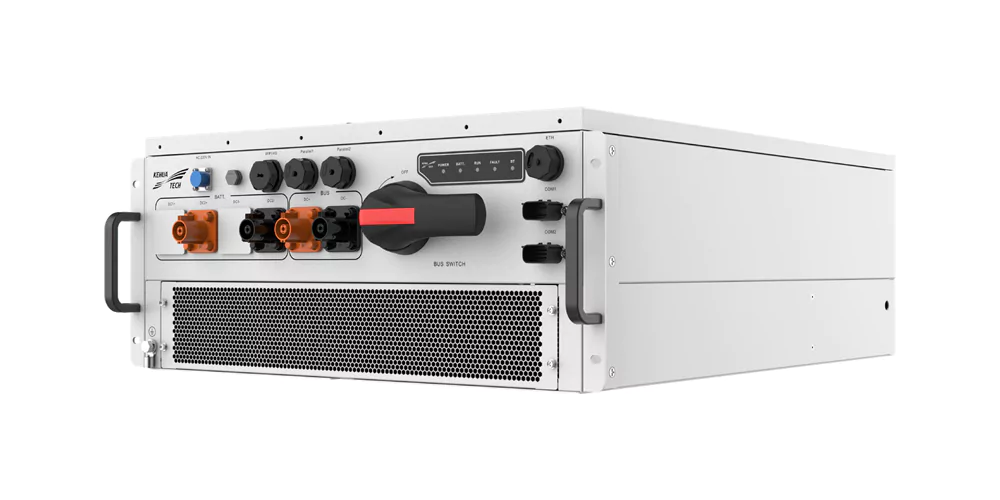
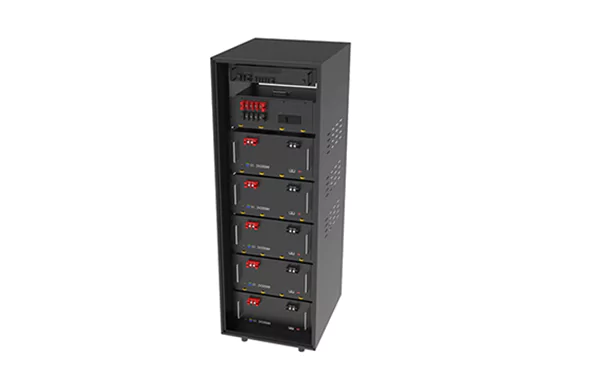
- Total capacity: 5MWh (5,000 kWh)
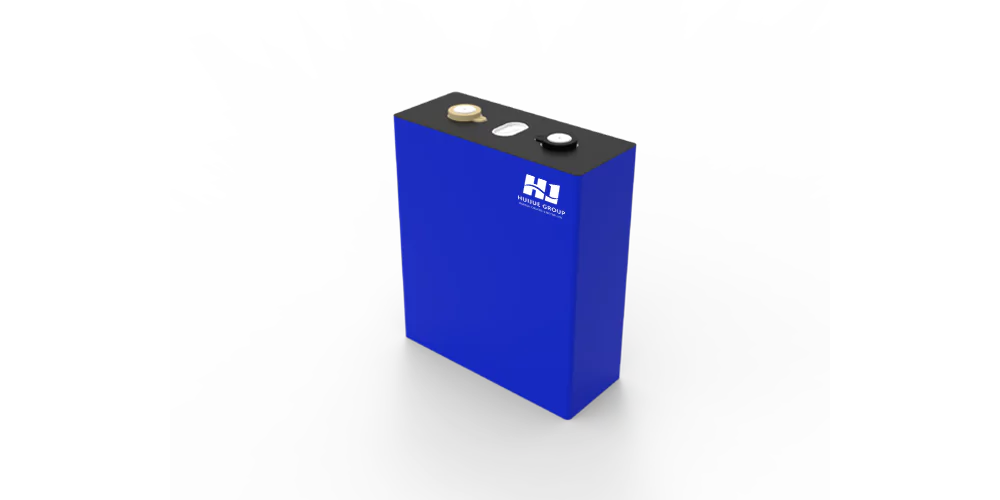
- Chemistry: Lithium iron phosphate (LFP)
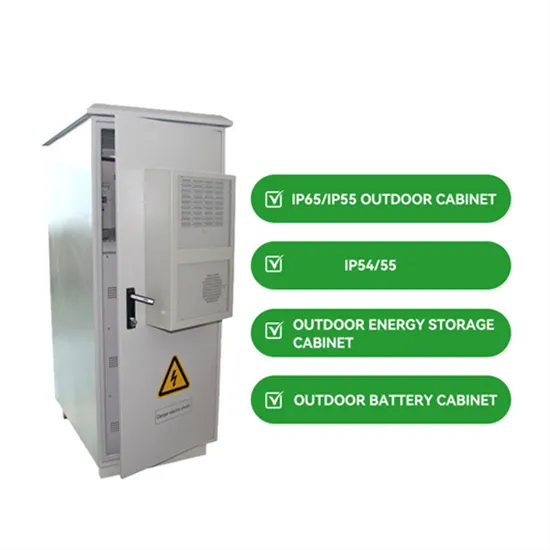
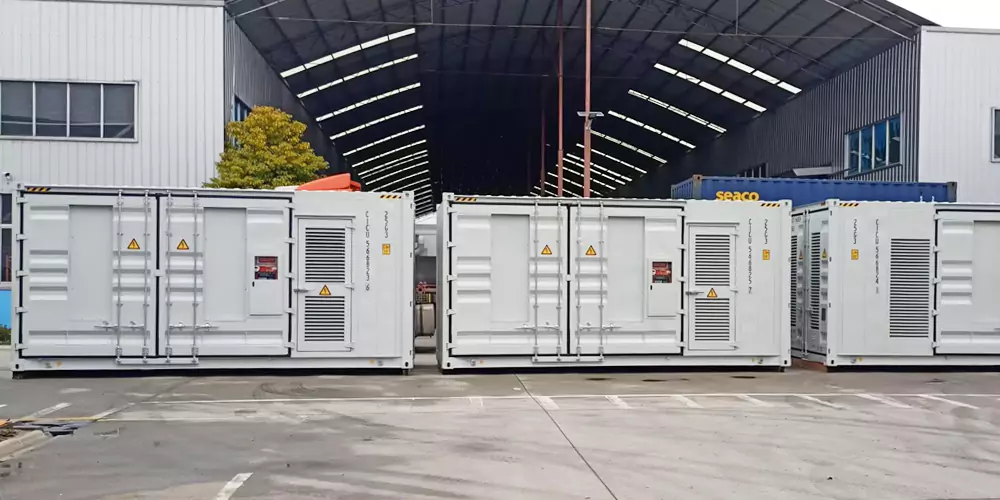
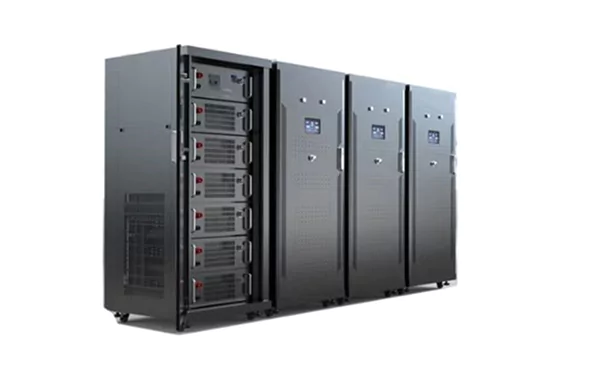
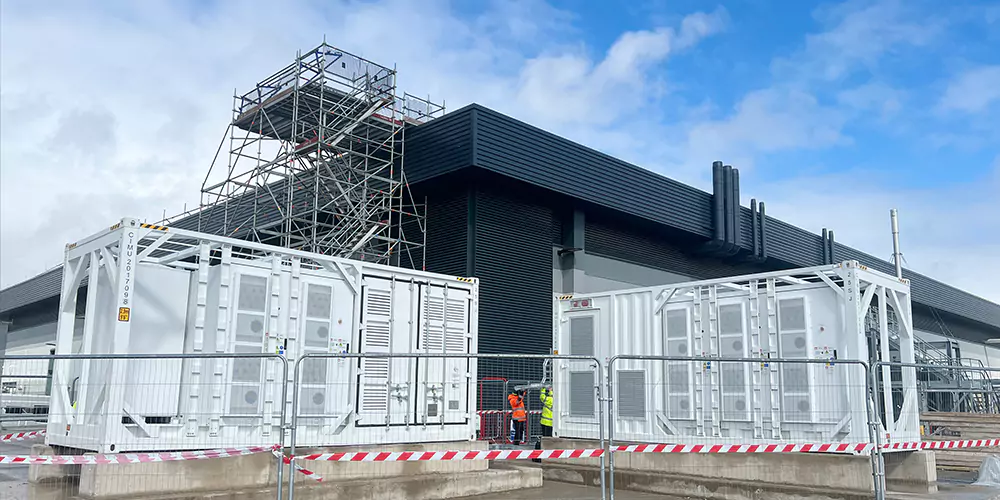
- Configuration: 10 x 500kWh containerized units
- Power rating: 2.5MW continuous (0.5C discharge rate)
- Autonomy: 4 hours at full mall load (1.25MW)
- Cycle life: 6,000 cycles to 80% depth of discharge
Power Management Architecture
- Grid integration: Seamless transition between sources
- Load prioritization: Critical circuits (security, refrigeration) first
- Generator integration: Diesel gensets as tertiary backup only
- Energy management: Real-time optimization based on tariff and load
Financial Analysis: The Numbers That Made It Work
The project economics demonstrate why solar+storage is now commercially viable:
Capital Investment Breakdown
- Solar panels & mounting: ₦375 million ($253,000)
- Battery storage system: ₦450 million ($304,000)
- Inverters & balance of system: ₦125 million ($84,000)
- Installation & commissioning: ₦150 million ($101,000)
- Total investment: ₦1.1 billion ($743,000)
Funding Structure
- Equity: ₦330 million (30% from mall owners)
- Debt financing: ₦660 million (60% from Access Bank green loan at 12%)
- Grant support: ₦110 million (10% from Lagos State Solar Initiative)
- Effective cost after incentives: ₦990 million
Operational Savings Analysis
Before installation (2025 baseline):
- Grid electricity: ₦15 million monthly (₦180 million annually)
- Diesel generation: ₦20 million monthly (₦240 million annually)
- Total energy cost: ₦35 million monthly (₦420 million annually)
After installation (2026 performance):
- Grid consumption reduced by 85%: ₦2.25 million monthly
- Diesel consumption reduced by 92%: ₦1.6 million monthly
- Total energy cost: ₦3.85 million monthly (₦46.2 million annually)
- Annual savings: ₦373.8 million
Additional revenue streams:
- Excess solar export to grid: ₦1.2 million monthly (₦14.4 million annually)
- Demand charge reduction: ₦800,000 monthly (₦9.6 million annually)
- Total benefit: ₦397.8 million annually
Payback Period Calculation
- Net annual benefit: ₦397.8 million
- Investment: ₦1.1 billion
- Simple payback: 2.76 years
- With financing costs: 3.2 years
- IRR: 28.4% (pre-tax)
Technical Performance: Exceeding Expectations
The system's actual performance has surpassed design specifications:
Energy Generation Metrics
- Design target: 3.65 GWh annually
- Actual performance: 3.92 GWh (7.4% above target)
- Capacity factor: 17.9% (vs 16.7% design)
- Peak generation: 2.38MW (95% of rated capacity)
Battery Utilization
- Daily cycles: 1.2 average (morning and evening peaks)
- Depth of discharge: 65% average (conservative for longevity)
- Round-trip efficiency: 91.3% measured
- State of health: 99.2% after first year
Reliability Metrics
- System availability: 99.97% (13 minutes downtime in year 1)
- Grid independence: 94% of operating hours
- Generator run hours: Reduced from 7,300 to 584 annually
- Power quality: THD improved from 8.2% to 2.1%
Tenant Benefits: Beyond Just Cost Savings
The installation has transformed the tenant experience:
Operational Improvements
- Stable temperatures: Refrigeration systems now maintain consistent temperatures
- Reduced noise: Elimination of constant generator operation
- Improved lighting: Consistent illumination levels throughout mall
- Equipment longevity: Reduced wear on HVAC and refrigeration compressors
Commercial Benefits for Retailers
- Reduced CAM charges: Common area maintenance reduced by ₦15/m²/month
- Extended trading hours: Ability to operate later without energy constraints
- Marketing advantage: "Green mall" designation attracts environmentally conscious customers
- Business continuity: No interruptions during grid outages
Customer Experience Enhancements
- Air quality: Elimination of diesel exhaust in parking areas
- Comfort: Stable air conditioning throughout mall
- Perception: Customers associate mall with modernity and reliability
- Foot traffic: 8.3% increase attributed to improved environment
Environmental Impact: Measurable Sustainability Gains
The project delivers significant environmental benefits:
Carbon Emissions Reduction
- Diesel displacement: 1.2 million litres annually avoided
- Grid electricity reduction: 2.8 GWh annually avoided
- CO₂ reduction: 3,850 tonnes annually
- Equivalent: Removing 830 cars from Lagos roads
Local Environmental Improvements
- Noise pollution: Reduced by 42 dB in surrounding area
- Air quality: NOx emissions reduced by 98%, particulate matter by 94%
- Heat island effect: Rooftop temperature reduced by 8-12°C
- Stormwater management: Solar panels reduce runoff by 30%
Sustainability Certifications Achieved
- LEED Gold: First shopping mall in West Africa to achieve
- EDGE Advanced: 40% energy savings certification
- Green Building Council Nigeria: 5-star rating
- Carbon Trust Standard: Carbon reduction verification
Implementation Challenges and Solutions
The project faced and overcame significant obstacles:
Challenge 1: Structural Load Limitations
Problem: Original roof couldn't support additional weight Solution:
- Structural reinforcement of key areas (₦45 million additional)
- Lightweight aluminum mounting systems
- Distributed weight loading design
- Result: 18,000m² utilized without structural compromise
Challenge 2: Grid Interconnection Delays
Problem: Ikeja Electric required 9-month approval process Solution:
- Early engagement with NERC for expedited review
- Installation of advanced protection equipment
- Performance bond to guarantee grid stability
- Result: Approval in 4 months with enhanced interconnection
Challenge 3: Supply Chain Constraints
Problem: Global lithium-ion battery shortages in 2025 Solution:
- Dual sourcing from Chinese and Korean manufacturers
- Phased delivery over 6 months
- Local assembly of balance of system components
- Result: 2-week delay only, within contingency planning
Maintenance Regimen: Ensuring Long-Term Performance
The mall implemented a comprehensive maintenance program:
Preventive Maintenance Schedule
- Daily: Visual inspection, performance monitoring
- Weekly: Cleaning of 10% of panels (rotating schedule)
- Monthly: Inverter diagnostics, battery balancing
- Quarterly: Thermal imaging, torque checks, firmware updates
- Annual: Comprehensive system audit, performance testing
Performance Monitoring
- Real-time dashboard: 5-second data intervals
- Predictive analytics: AI-based failure prediction
- Remote diagnostics: Manufacturer support via VPN
- Performance guarantees: 98% availability contract
Staff Training and Capacity Building
- Certified technicians: 3 staff trained to NABTEB standard
- Emergency procedures: Documented response protocols
- Spare parts inventory: Critical components on-site
- Service contracts: Manufacturer support for complex issues
Replication Potential: Blueprint for Other Commercial Properties
The Ikeja City Mall model is highly replicable:
Suitable Property Types
- Shopping malls: 10,000+m² roof area
- Office complexes: 5,000+ employees
- Hotels: 200+ rooms with 24/7 operations
- Universities: Large campuses with distributed loads
- Hospitals: Critical power requirements
Minimum Viability Threshold
- Electricity bill: >₦10 million monthly
- Roof area: >5,000m² unshaded
- Load profile: Daytime peak consumption
- Grid reliability: <18 hours daily availability
- Financing access: Ability to secure 5-7 year debt
Scalability Options
- Phase 1: Solar only (quickest payback)
- Phase 2: Add storage (enhanced reliability)
- Phase 3: EV charging integration (future revenue)
- Phase 4: Grid services participation (additional income)
The Future: Beyond Energy Savings to Revenue Generation
The mall is exploring additional value streams:
Electric Vehicle Charging Infrastructure
- Potential: 50 charging stations
- Revenue: ₦150-200 per kWh charged
- Customer attraction: EV owners as high-value shoppers
- Timeline: 2027 implementation planned
Grid Services Participation
- Frequency regulation: ₦8-12/kWh for responsive capacity
- Capacity reserve: ₦20-30/kW-month for guaranteed availability
- Revenue potential: ₦40-60 million annually
- Requirements: NERC approval for ancillary services
Carbon Credit Monetization
- Credits generated: 3,850 tonnes CO₂ annually
- Market value: $8-12 per tonne
- Annual revenue: $30,800-46,200
- Certification: Verified Carbon Standard (VCS) in process
The Bottom Line: A New Standard for Commercial Real Estate
Ikeja City Mall's transformation represents more than just an energy project—it establishes a new standard for commercial property operation in Nigeria:
1. Financial viability: 3.2-year payback with 28% IRR makes it compelling investment 2. Operational reliability: 99.97% availability exceeds grid performance 3. Environmental leadership: 3,850 tonnes CO₂ reduction demonstrates sustainability commitment 4. Competitive advantage: "Green mall" designation differentiates in crowded market 5. Future-proofing: Infrastructure ready for EV charging and grid services
The implications extend beyond this single property. As other commercial property owners study these results, we can expect rapid adoption across Nigeria's major cities. The combination of rising energy costs, improving solar economics, available financing, and proven technology creates a perfect storm for transformation.
For property owners still hesitating, the calculation is simple: every month of delay represents ₦10-15 million in unnecessary energy expenditure, missed savings, and foregone competitive advantage.
The blueprint exists. The technology is proven. The financing is available. The only question is: which property will be next to transform from energy consumer to energy innovator?
 Inquiry
 Online Chat