


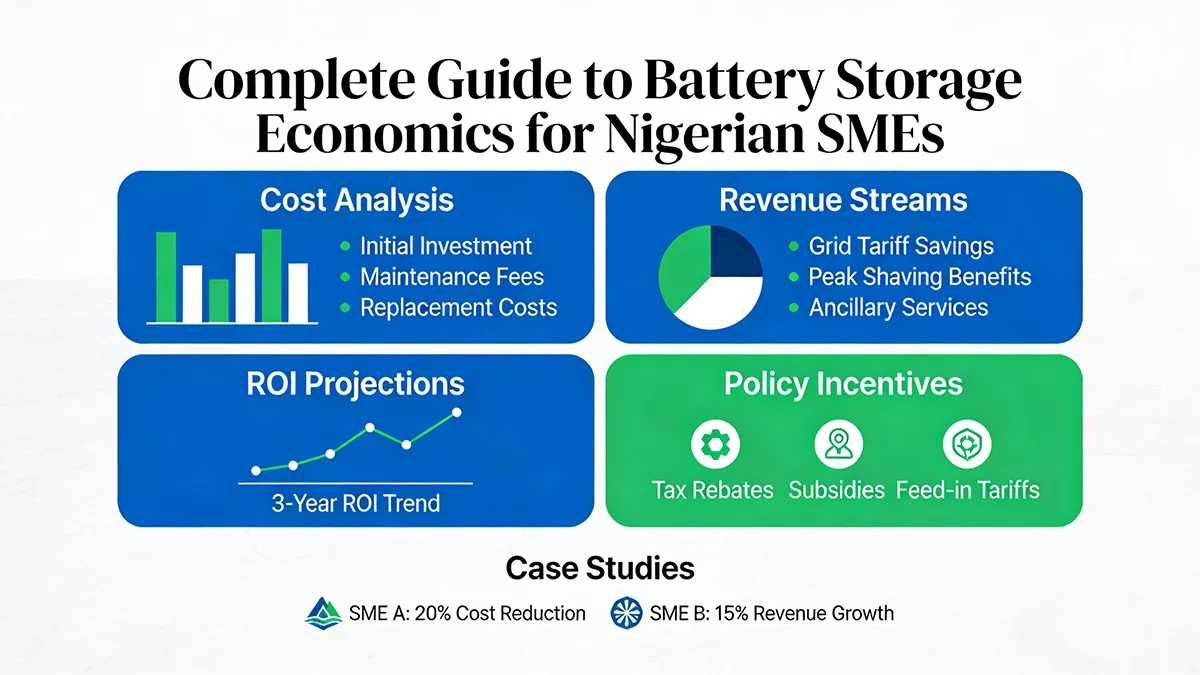
For a typical Nigerian small business—whether it's a boutique hotel in Abuja, a busy restaurant in Lagos, or a pharmacy in Port Harcourt—diesel is a predatory tax. Small and Medium Enterprises (SMEs) are currently bleeding ₦250,000 to ₦450,000 monthly on fuel. This is capital that should be funding expansion, not literally going up in smoke.
The Brutal Reality:
- Energy costs now represent 25-40% of operating expenses for Nigerian SMEs.
- A ₦4.3M annual diesel bill is equivalent to hiring 3-4 additional staff members.
- The Solution: Integrated solar-plus-storage can eliminate 70-90% of diesel dependency.
SME Energy Profiles: Where Does Your Business Fit?
| Business Type | Typical Examples | Daily Use | Avg. Monthly Diesel Cost |
|---|---|---|---|
| Retail & Service | Pharmacies, Salons, POS Centers | 30-50 kWh | ₦150,000 - ₦250,000 |
| Light Manufacturing | Printing Presses, Bakeries, Workshops | 50-100 kWh | ₦250,000 - ₦400,000 |
| Hospitality | Boutique Hotels, Guest Houses | 80-150 kWh | ₦300,000 - ₦450,000 |
Option 1: Basic Backup System (₦1.8 Million)
Best for businesses with 8-10 hours of grid access seeking to bridge the "blackout gaps."
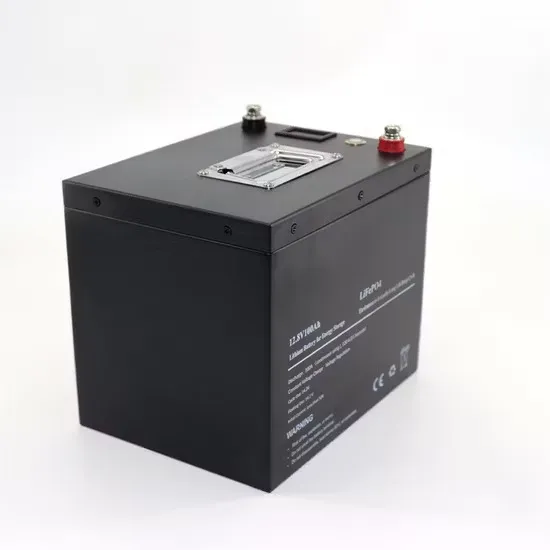
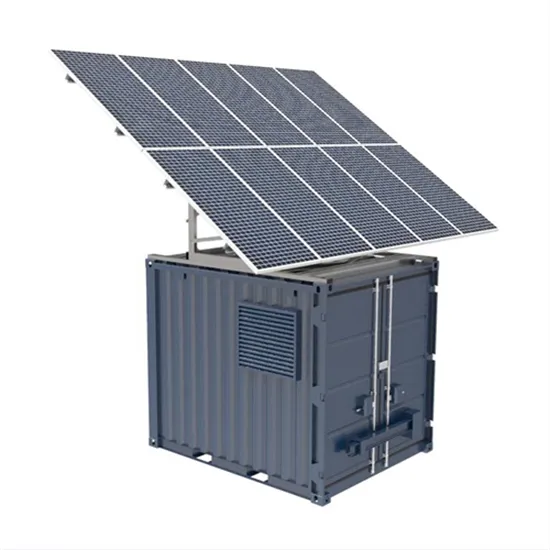
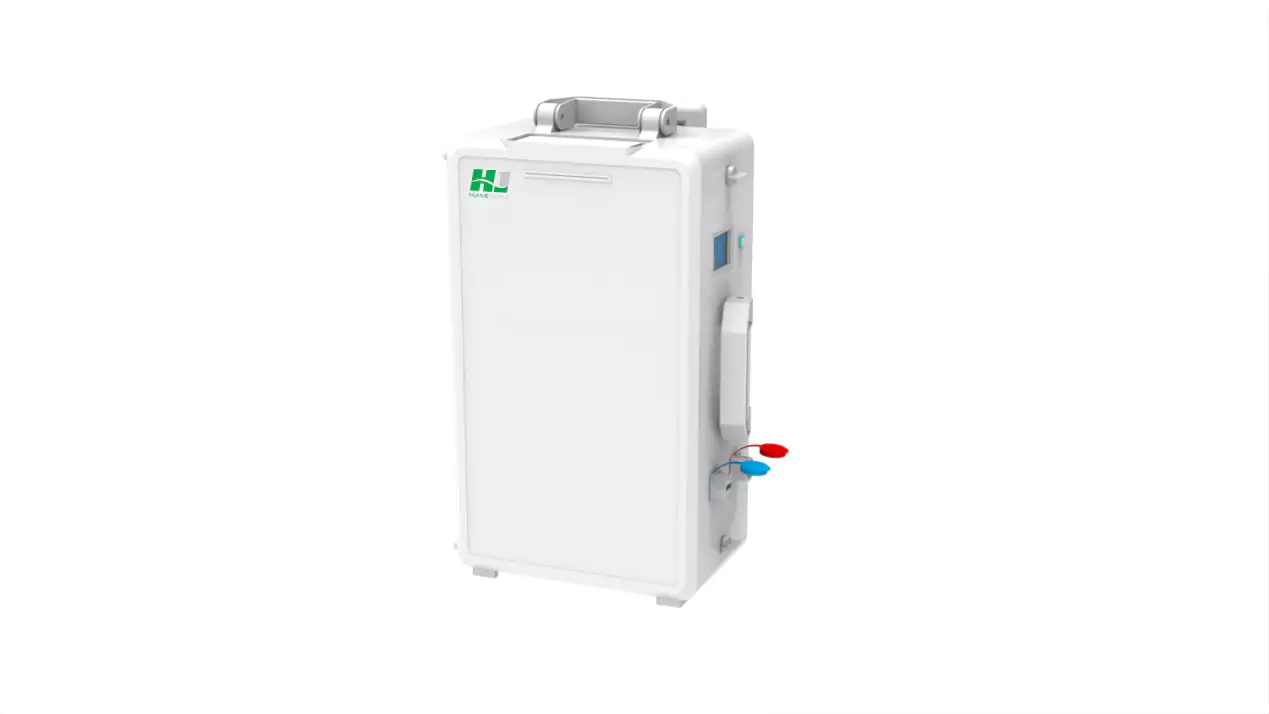
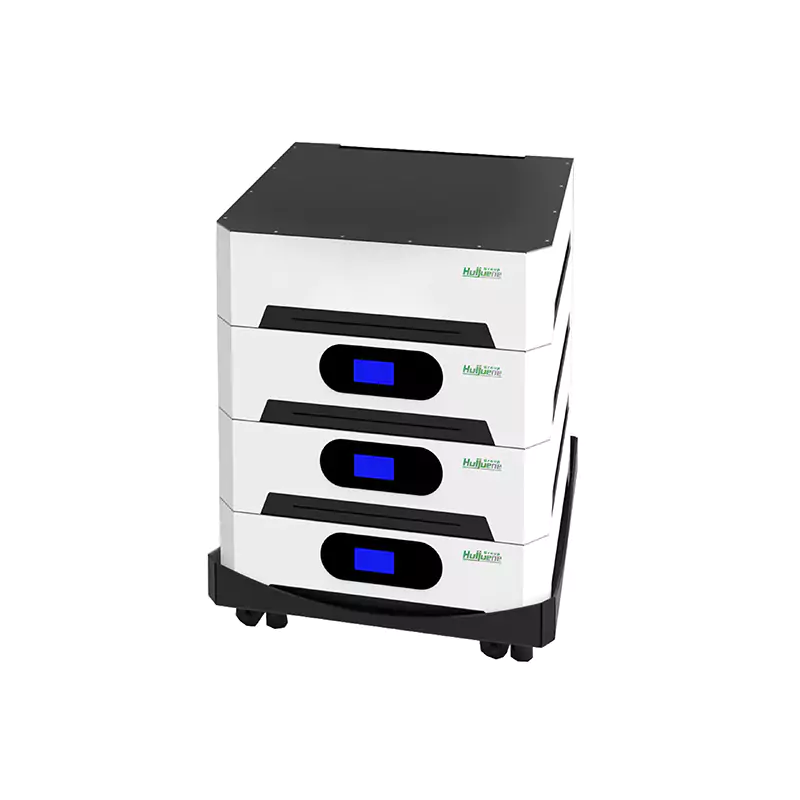
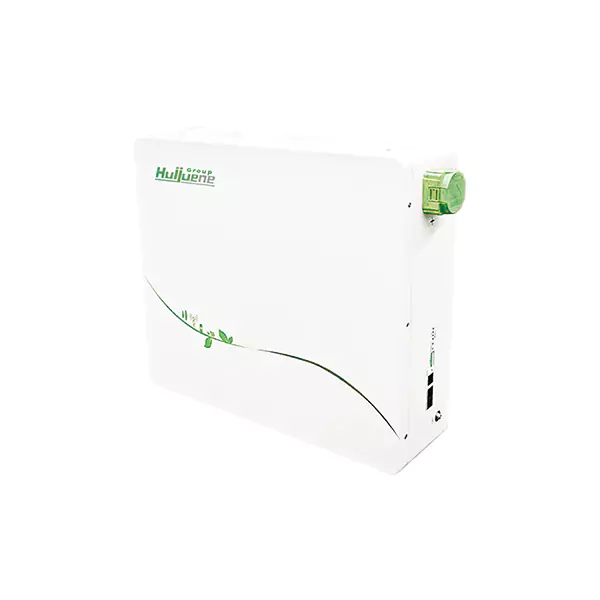
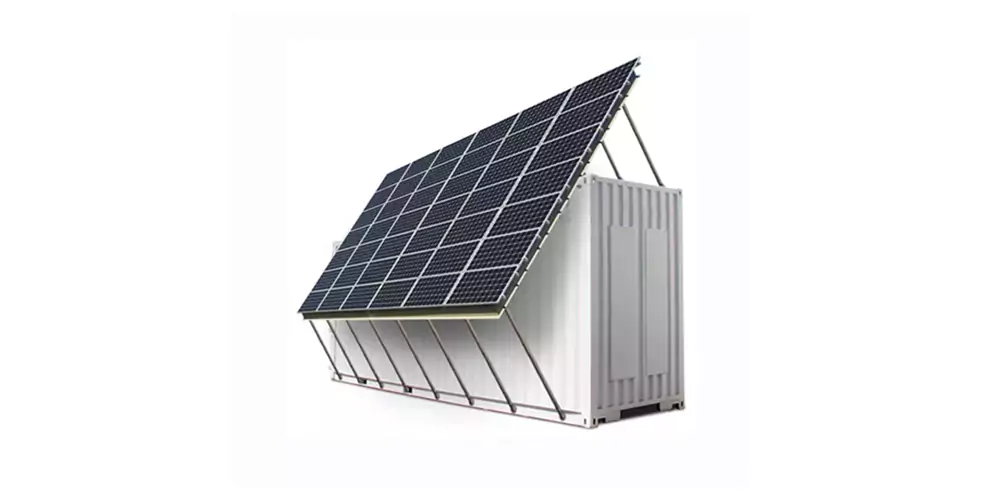
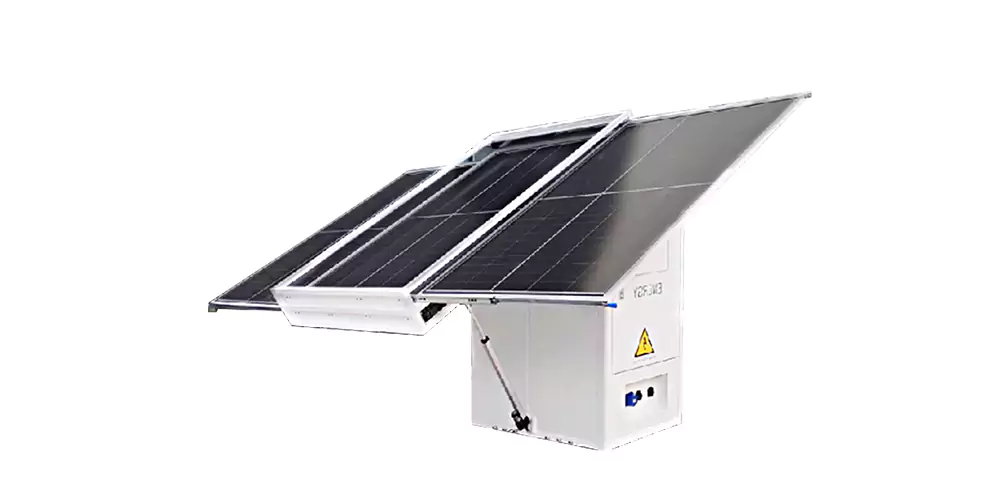
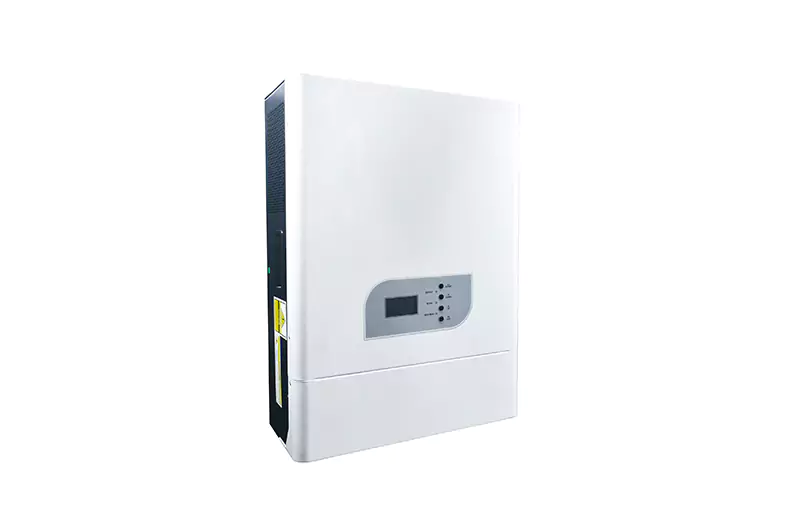
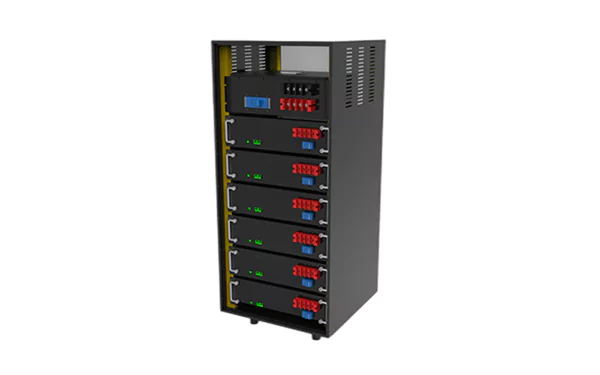
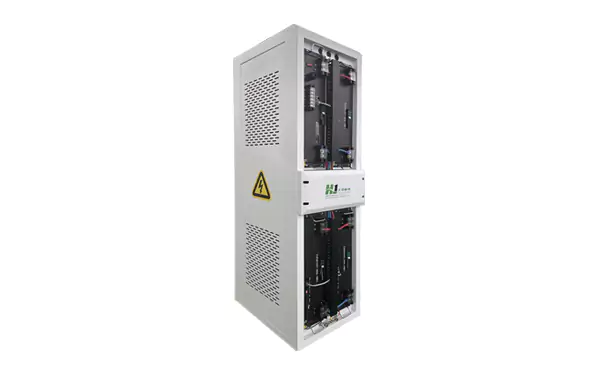
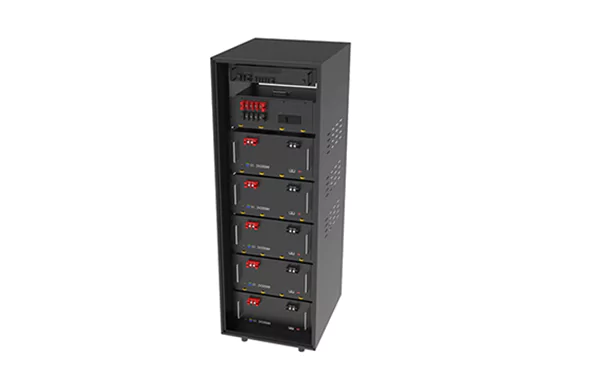
- Specs: 3kW Solar + 6kWh LFP Battery + 5kW Hybrid Inverter.
- Financials: Estimated annual savings of ₦1.87M.
- ROI: 0.96 Year Payback
Option 2: Comprehensive Energy Independence (₦4.2 Million)
Best for businesses in areas with unreliable grids seeking to retire their generators permanently.
- Specs: 8kW Solar + 20kWh LFP Battery + 10kW Off-grid Inverter.
- Financials: Estimated annual savings of ₦4.86M.
- ROI: 0.86 Year Payback
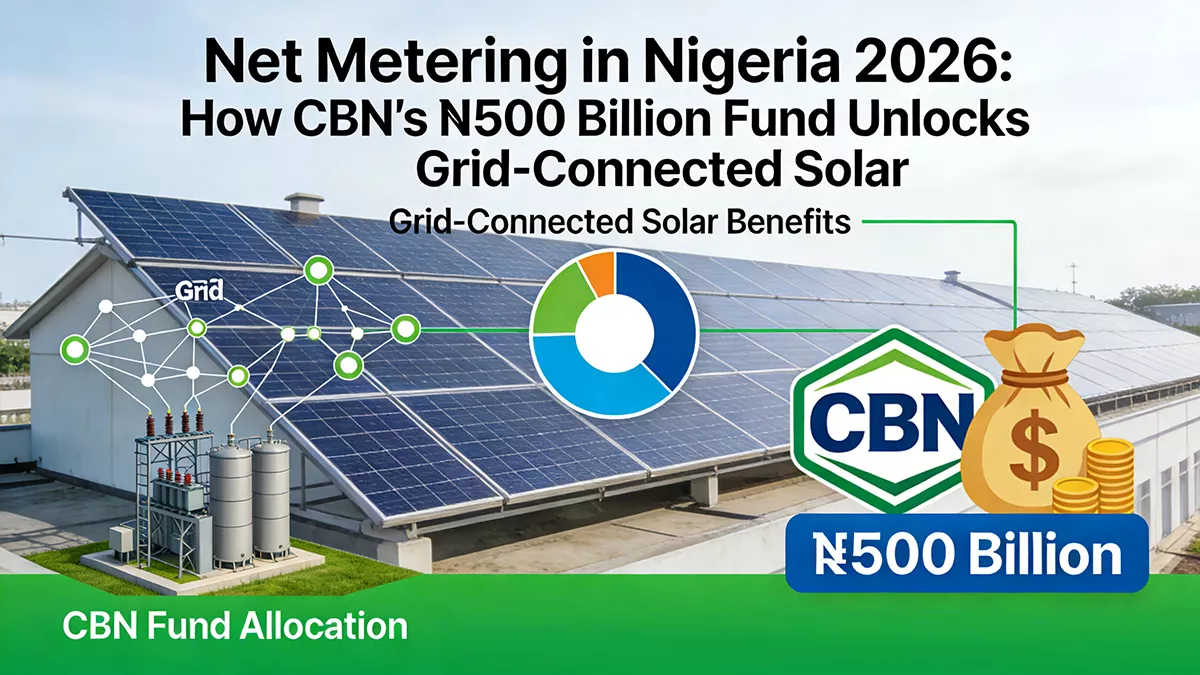
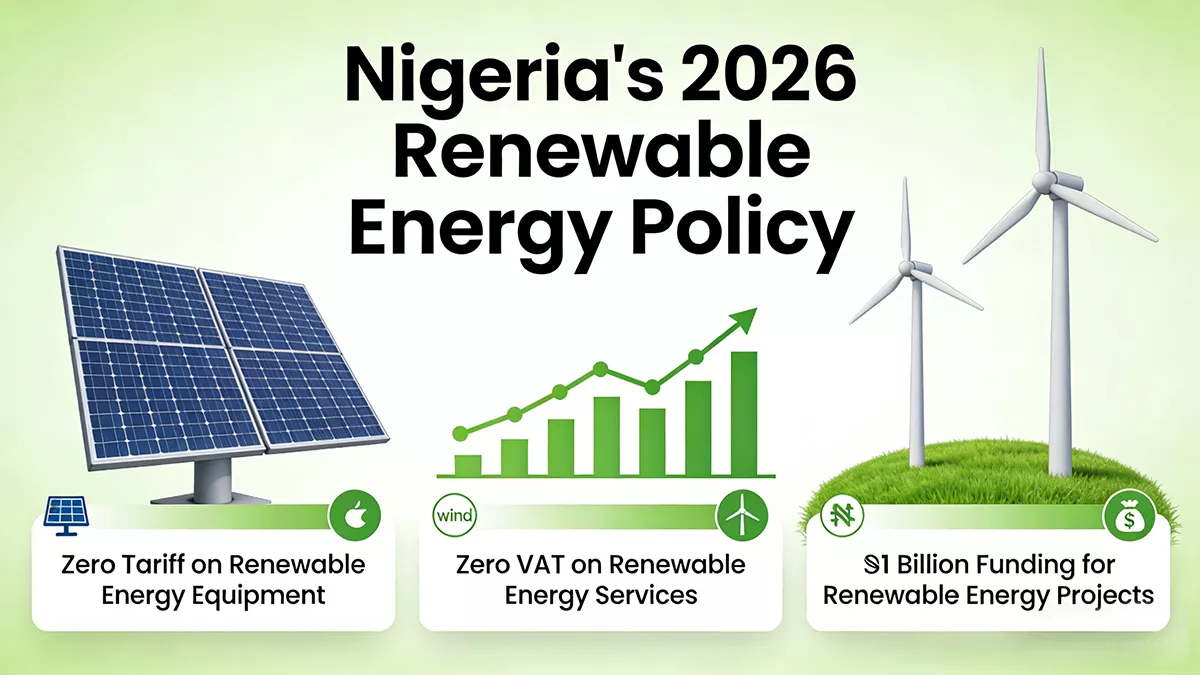
Federal Incentives & Financing (2026 Update)
Nigeria's renewable energy landscape has shifted. Businesses can now leverage:
- Import Duty Exemptions: 0% Duty on solar panels, batteries, and inverters.
- VAT Exemption: 0% VAT on all certified renewable energy equipment and installation.
- SME Energy Fund: Access to soft loans at 8% interest (vs. 25% market rates).
The Technical Edge: Why LFP Batteries?
"While Lead-Acid batteries are 40% cheaper upfront, they fail within 2-3 years. Lithium Iron Phosphate (LFP) batteries last 15+ years. Over a decade, LFP is 3x more cost-effective for a business operation."
The Bottom Line: From Cost Center to Competitive Edge
In Nigeria’s hyper-competitive market, reliable power is a strategic weapon. Switching to solar-plus-storage isn't just about 'going green'; it’s about fixing your overhead costs for the next 20 years.
Don't wait: Every month of delay is another ₦450,000 lost to noise, smoke, and inefficiency. The financing is ready, the technology is proven, and the payback is less than 12 months.

 Inquiry
 Online Chat