


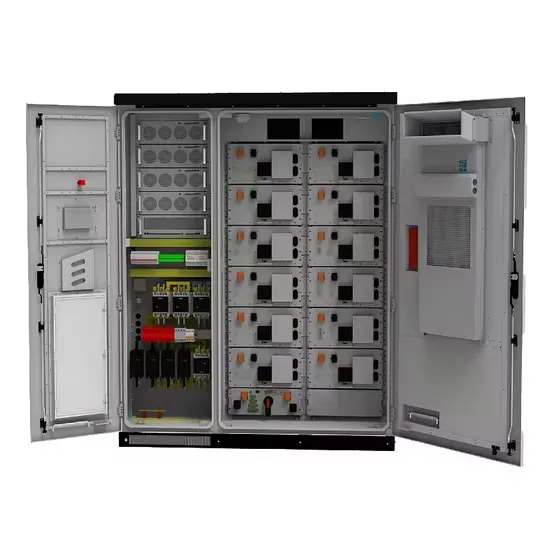
The ₦85 Million Diesel Problem That's Solved by a 40ft Shipping Container
Imagine you're operating a medium-sized manufacturing plant in Nigeria's industrial heartlands—maybe in Agbara, Ogun State, or along the Lagos-Ibadan Expressway. Your monthly energy expenditure looks something like this:
- ₦35 million for grid electricity (when available)
- ₦50 million for diesel fuel for backup generators
- Total: ₦85 million monthly disappearing into unreliable power
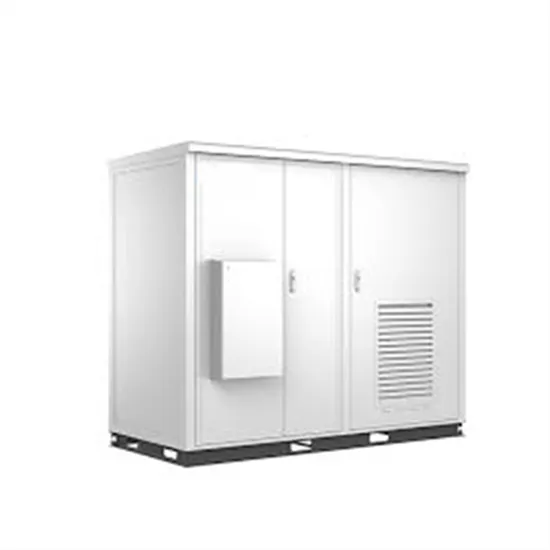
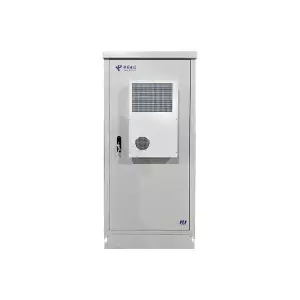
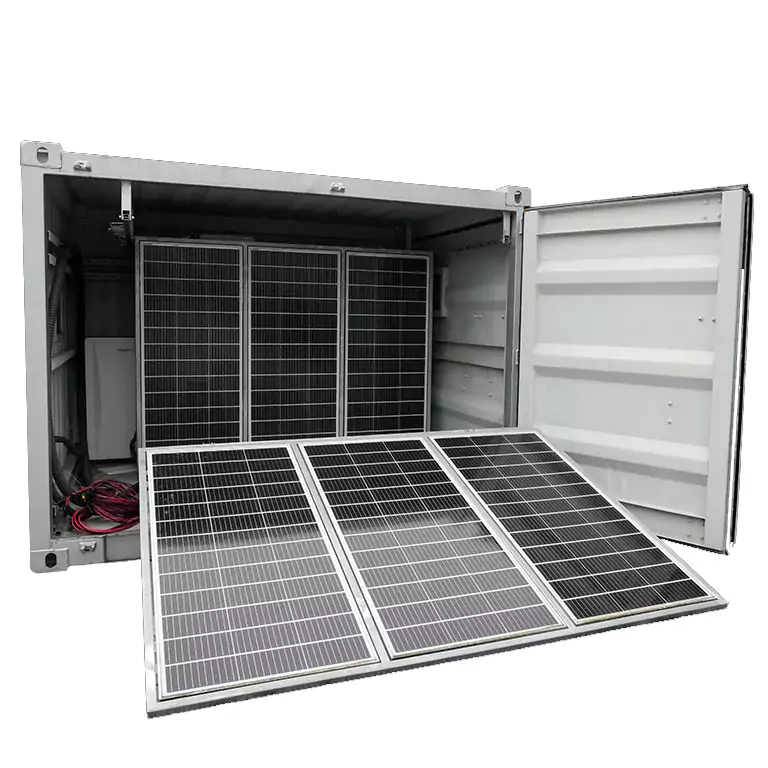
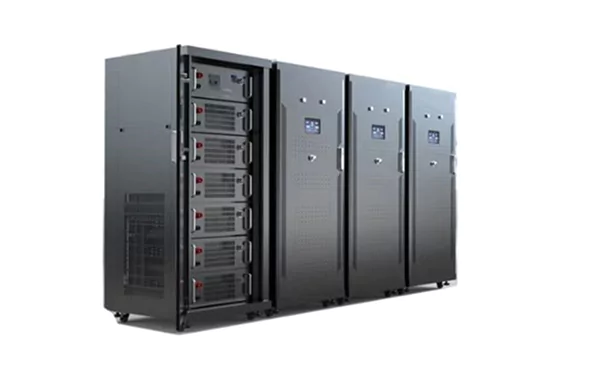
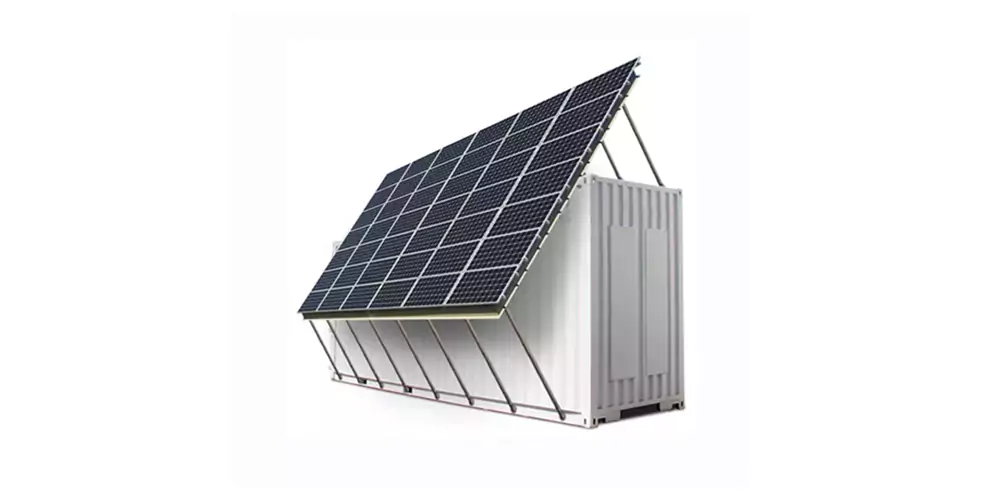
Now picture this alternative: a standard 40-foot shipping container arrives at your facility. Inside isn't imported goods—it's a complete, plug-and-play battery energy storage system (BESS) with 2MW of power capacity and 4MWh of energy storage. Within two weeks of installation, your energy profile transforms:
- Diesel consumption reduced by 85-90%
- Grid dependency cut by 70-75%
- Power quality improved from problematic to perfect
- Annual savings: ₦510-₦610 million
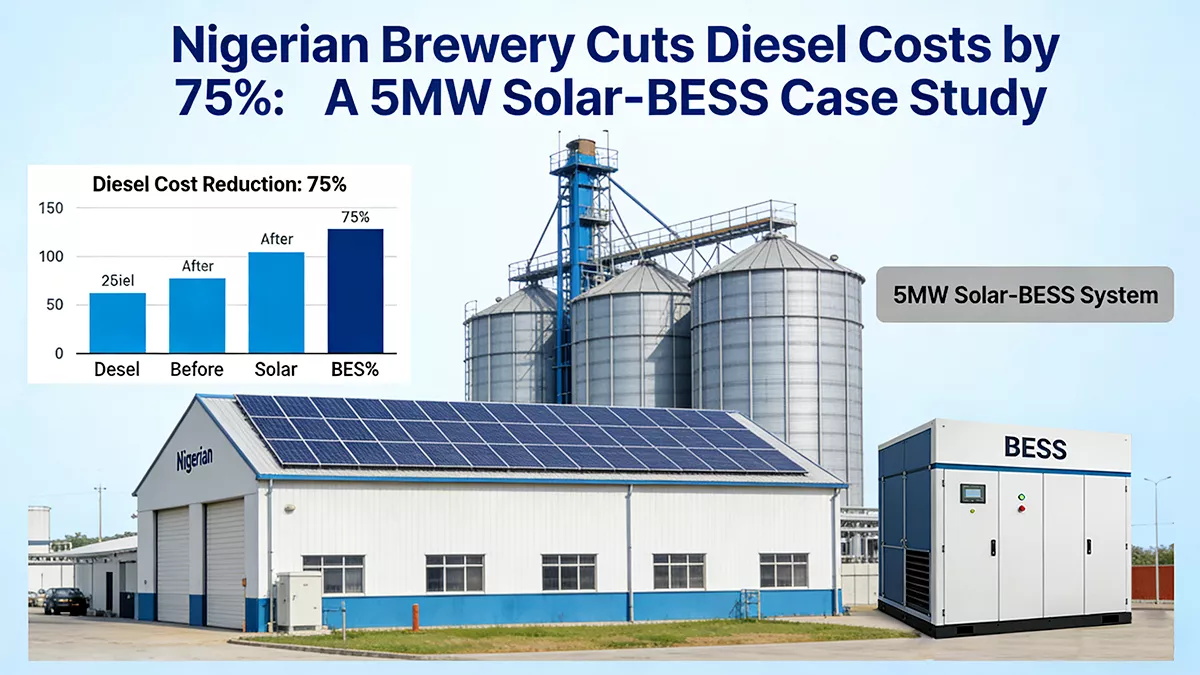
This isn't theoretical technology—it's the reality of containerized BESS solutions that are revolutionizing Nigerian industrial energy management. These systems combine proven shipping container durability with advanced battery technology, creating power solutions that are resilient, reliable, and rapidly deployable in Nigeria's challenging environment.
Understanding Containerized BESS Technology
What Makes Containerized Systems Different?
Traditional battery installations require:
- Custom-built battery rooms
- Complex electrical integration
- Extended construction timelines
- Specialized on-site engineering
Containerized systems offer:
- Factory-built and tested quality
- Standardized shipping and handling
- Rapid deployment (weeks vs months)
- Scalable modular design
- Complete system in a weatherproof enclosure
Key Advantages for Nigerian Conditions
1. Climate resilience: Designed for -30°C to +60°C operation 2. Dust protection: IP65 rating protects sensitive electronics 3. Security: Lockable steel container deters theft and vandalism 4. Mobility: Can be relocated if factory layout changes 5. Standardization: Spare parts and expertise readily available
20ft Container Systems: The Entry Point for Nigerian SMEs
System Specifications
- External dimensions: 20' x 8' x 8'6" (6.1m x 2.44m x 2.59m)
- Internal usable space: Approximately 1,172 cubic feet (33.2m³)
- Battery capacity: 500kWh to 1MWh typical
- Power rating: 250kW to 500kW continuous
- Footprint: 160 square feet (14.9m²)
- Weight: 15-25 tonnes fully loaded
Typical Configurations
Configuration A: Basic Industrial Backup (₦18-₦22 million)
- Battery capacity: 500kWh lithium iron phosphate
- Power rating: 250kW continuous (500kW surge)
- Applications:
- Medium manufacturing plants - Food processing facilities - Cold storage operations - Commercial office complexes
- Backup duration: 2-4 hours at full load
- Payback period: 3.8-4.2 years
Configuration B: Enhanced Power Quality (₦24-₦28 million)
- Battery capacity: 750kWh LFP with advanced BMS
- Power rating: 375kW continuous (750kW surge)
- Special features:
- Active harmonic filtering - Voltage stabilization - Frequency regulation - Power factor correction
- Applications:
- Precision manufacturing - Electronics assembly - Laboratory facilities - Data processing centers
- Payback period: 3.2-3.6 years
Cost Breakdown for 20ft System
Equipment (₦16.2 million for 750kWh system):
- Battery modules (750kWh LFP): ₦9 million
- Power conversion system (375kW): ₦3.6 million
- Thermal management system: ₦1.8 million
- Fire suppression system: ₦900,000
- Container & structure: ₦900,000
Installation & Commissioning (₦7.8 million):
- Site preparation & foundation: ₦2.4 million
- Electrical interconnection: ₦3 million
- Commissioning & testing: ₦1.2 million
- Training & documentation: ₦600,000
- Project management: ₦600,000
Total investment: ₦24 million (typical)
Performance Metrics
- Round-trip efficiency: 90-92% AC-AC
- Response time: <20ms for grid support
- Operating temperature: 15-35°C maintained internally
- Life expectancy: 15-20 years with proper maintenance
- Cycle life: 6,000+ cycles to 80% depth of discharge
40ft Container Systems: Industrial-Scale Power Solutions
System Specifications
- External dimensions: 40' x 8' x 8'6" (12.2m x 2.44m x 2.59m)
- Internal usable space: Approximately 2,387 cubic feet (67.6m³)
- Battery capacity: 2MWh to 4MWh typical
- Power rating: 1MW to 2MW continuous
- Footprint: 320 square feet (29.7m²)
- Weight: 30-50 tonnes fully loaded
Typical Configurations
Configuration X: Heavy Industry Power (₦38-₦42 million)
- Battery capacity: 2MWh lithium iron phosphate
- Power rating: 1MW continuous (2MW surge)
- Applications:
- Steel manufacturing - Cement production - Chemical processing - Large-scale fabrication
- Backup duration: 2 hours at full 1MW load
- Payback period: 3.1-3.4 years
Configuration Y: Multi-Shift Operations (₦48-₦52 million)
- Battery capacity: 4MWh LFP with liquid cooling
- Power rating: 2MW continuous (4MW surge)
- Special features:
- Dual redundant power conversion - Advanced grid-forming capability - Black start functionality - Microgrid controller integration
- Applications:
- 24/7 manufacturing - Mining operations - Oil & gas processing - Industrial parks
- Payback period: 2.8-3.1 years
Cost Breakdown for 40ft System
Equipment (₦36 million for 2MWh system):
- Battery modules (2MWh LFP): ₦24 million
- Power conversion system (1MW): ₦8 million
- Advanced thermal management: ₦2 million
- Complete fire protection: ₦1.2 million
- Container & structural upgrades: ₦800,000
Installation & Commissioning (₦12 million):
- Heavy foundation works: ₦4.8 million
- High-voltage interconnection: ₦4.8 million
- Extensive commissioning: ₦1.2 million
- Comprehensive training: ₦600,000
- Professional project management: ₦600,000
Total investment: ₦48 million (typical)
Performance Metrics
- Round-trip efficiency: 91-93% AC-AC (higher due to scale)
- Response time: <10ms for critical applications
- Operating temperature: 20-30°C optimal range maintained
- Life expectancy: 20+ years with advanced BMS
- Cycle life: 8,000+ cycles to 80% DoD with optimal management
Application Scenarios for Nigerian Industries
Scenario 1: Peak Shaving for Lagos Manufacturing
Problem: ₦28 million monthly demand charges from AEDC Solution: 20ft container with 500kW/1MWh capacity Results:
- Demand charges reduced by 75% (₦21 million monthly savings)
- Payback period: 1.3 years
- Additional benefit: Power quality improvements reduce equipment maintenance by 40%
Scenario 2: Continuous Process Industry in Port Harcourt
Problem: 4-8 hour daily outages disrupting petrochemical processing Solution: 40ft container with 1MW/2MWh capacity Results:
- Production interruptions eliminated
- Annual savings: ₦480 million from reduced downtime
- Payback period: 2.1 years
- Environmental benefit: Diesel emissions reduced by 1,200 tonnes CO₂ annually
Scenario 3: Agricultural Processing in Kano
Problem: Seasonal operations with high energy costs during processing months Solution: 20ft container optimized for seasonal use Results:
- Processing costs reduced by 60%
- Ability to operate during grid outages
- Payback period: 2.4 years (based on 6-month annual operation)
Financial Analysis: ROI and Payback Calculations
20ft System Economics (₦24 million investment)
Current costs (without system):
- Grid electricity: ₦12 million monthly (₦144 million annually)
- Diesel backup: ₦18 million monthly (₦216 million annually)
- Total: ₦30 million monthly (₦360 million annually)
With system (estimated):
- Grid consumption: ₦3.6 million monthly (70% reduction)
- Diesel consumption: ₦1.8 million monthly (90% reduction)
- Total: ₦5.4 million monthly (₦64.8 million annually)
- Annual savings: ₦295.2 million
Return metrics:
- Simple payback: 0.97 years
- With financing (12%): 1.4 years
- Annual ROI: 103% (pre-financing)
- 10-year savings: ₦2.95 billion
- IRR: 98%
40ft System Economics (₦48 million investment)
Current costs (without system):
- Grid electricity: ₦25 million monthly (₦300 million annually)
- Diesel backup: ₦45 million monthly (₦540 million annually)
- Total: ₦70 million monthly (₦840 million annually)
With system (estimated):
- Grid consumption: ₦7.5 million monthly (70% reduction)
- Diesel consumption: ₦4.5 million monthly (90% reduction)
- Total: ₦12 million monthly (₦144 million annually)
- Annual savings: ₦696 million
Return metrics:
- Simple payback: 0.83 years
- With financing (12%): 1.2 years
- Annual ROI: 120% (pre-financing)
- 10-year savings: ₦6.96 billion
- IRR: 112%
Installation and Site Requirements
Site Preparation
For 20ft container:
- Foundation: Concrete pad 24' x 10' x 12" (7.3m x 3m x 0.3m)
- Access: 12' wide access road, 50' turning radius
- Utilities: 400V 3-phase connection within 15m
- Clearance: 3m on all sides for maintenance
For 40ft container:
- Foundation: Reinforced concrete 44' x 12' x 18" (13.4m x 3.7m x 0.46m)
- Access: 14' wide access road, 60' turning radius
- Utilities: 11kV or 33kV substation within 30m
- Clearance: 5m on all sides for safety and maintenance
Electrical Integration
Key requirements:
- Transformer: May require upgrade or new installation
- Protection: Complete overcurrent and earth fault protection
- Metering: Revenue-grade metering for energy accounting
- Controls: Integration with existing SCADA or building management systems
Safety and Compliance
Nigerian regulations:
- NERC requirements: Grid connection certification
- Fire codes: NFPA 855 compliance for stationary energy storage
- Environmental: Proper battery disposal plans
- Building codes: Structural and electrical compliance
Maintenance and Operational Considerations
Preventive Maintenance Schedule
- Daily: Remote monitoring and performance checks
- Weekly: Visual inspection of external components
- Monthly: Battery management system diagnostics
- Quarterly: Thermal system inspection and cleaning
- Semi-annually: Electrical system testing and calibration
- Annually: Complete system audit and performance testing
Warranty and Service Agreements
Standard coverage:
- Batteries: 10 years or 6,000 cycles (whichever comes first)
- Power conversion: 5 years extendable to 10
- Container structure: 5 years against corrosion
- Extended options: Up to 15 years for critical applications
Local Support in Nigeria
Service centers:
- Lagos: Full service for all major brands
- Port Harcourt: Technical support and spare parts
- Abuja: Administration and project management
- Regional support: Mobile service teams for remote locations
The Future: Beyond Backup to Revenue Generation
Grid Services Participation
Potential revenue streams:
- Frequency regulation: ₦8-12 per kWh for responsive capacity
- Capacity reserve: ₦20-30 per kW-month for guaranteed availability
- Peak shaving: Avoided demand charges of ₦500-₦800 per kW-month
- Annual revenue potential: ₦50-₦150 million for 1MW system
Microgrid Development
Industrial park applications:
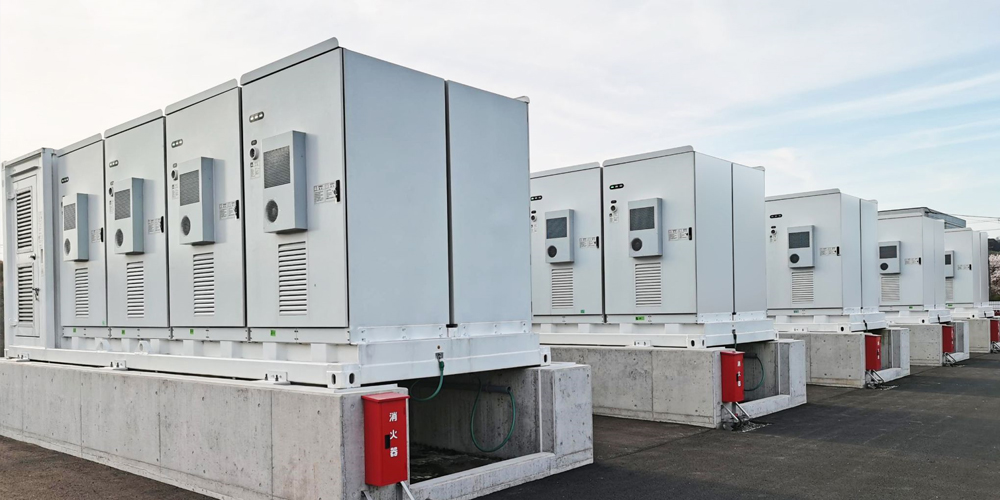
- Multiple facilities sharing larger containerized systems
- Reduced individual investment requirements
- Enhanced resilience through distributed resources
- Revenue from energy sales to neighboring businesses
Carbon Credit Monetization
Environmental benefits:
- Diesel displacement reduces CO₂ emissions
- Carbon credit value: $8-12 per tonne
- Revenue potential: $80,000-₦120,000 annually for 2MWh system
- Enhanced corporate sustainability reporting
The Bottom Line: Transformative Industrial Power Solutions
Containerized BESS solutions represent a fundamental shift in how Nigerian industries approach energy management:
1. Financial transformation: Sub-1-year paybacks for many applications 2. Operational resilience: Continuous operations regardless of grid status 3. Power quality: Industrial-grade reliability for sensitive equipment 4. Scalability: Modular design supports growth and expansion 5. Future-readiness: Infrastructure for electrification and smart grid participation
For Nigerian industries still relying on diesel generators and unreliable grid power, the choice is clear: continue paying escalating costs for substandard power, or invest in containerized storage solutions that deliver:
- Payback periods: 0.8-1.4 years
- Annual returns: 100-120% ROI
- Lifetime savings: 10-15x initial investment
- Environmental benefits: 85-95% reduction in diesel emissions
The technology is proven and deployed globally. The economics are compelling, especially with Nigeria's current incentives. The need is urgent, given rising fuel costs and declining grid reliability.
Every month of delay represents millions in unnecessary expenditure, lost productivity, and competitive disadvantage. The question isn't whether to invest, but how quickly to act.
Containerized BESS solutions aren't just equipment—they're strategic assets that transform energy from cost center to competitive advantage. In Nigeria's industrial landscape, reliable, affordable power isn't just operational—it's existential.

 Inquiry
 Online Chat