


Poland C&I Energy Storage Subsidy 2026: â¬1 Billion Program Transforms Commercial Battery Market Poland's â¬1 billion energy storage subsidy opens doors for businesses. Learn about the 5 GWh program targeting C&I battery systems and how companies can access funding up to 65% of costs.
The Business Case for Commercial Energy Storage in Poland
Walk into any Polish manufacturing facility, retail warehouse, or commercial building, and you'll likely notice the same energy headache: peak demand charges eating into profitability while solar installations export power at unfavorable rates. This paradox has defined Central European commercial energy for years. Poland's government finally acknowledged what business owners have known for some time: industrial energy storage makes economic sense. Their 5 GWh energy storage subsidy program, launched in April 2025 with 4 billion PLN (approximately â¬1 billion) in total funding, represents the country's largest-ever commitment to commercial and industrial (C&I) battery deployment. The timing isn't accidental. Poland's coal-dependent energy infrastructure faces mounting pressure from EU emissions regulations, volatile fuel prices following the Ukraine conflict, and aging grid connections that struggle with increasing renewable penetration. C&I battery storage addresses multiple challenges simultaneouslyâsmoothing demand peaks, storing solar generation, and providing grid services that generate additional revenue. Companies that act early can access subsidies covering up to 65% of eligible project costs. The application deadline for signed contracts is December 31, 2025, with projects required to be operational by December 31, 2028. This window won't stay open indefinitely.Understanding the 5 GWh Subsidy Framework
The program, administered through Poland's National Fund for Environmental Protection and Water Management (NFOÅiGW), distributes funding from the EU Modernization Fund and Recovery and Resilience Facility. The allocation structure incentivizes both immediate action and smaller business participation. Funding comes in two forms: non-repayable grants up to 36 billion PLN and preferential loans totaling approximately 4 billion PLN. The loan component can cover up to 100% of eligible costs for qualified projects, though most businesses will prefer the grant component where available. Project size minimums establish clear C&I targeting:- Minimum power capacity: 2 MW
- Minimum energy capacity: 4 MWh
- Grid connection: Medium or high voltage
- Small enterprises: up to 65% support
- Medium enterprises: up to 55% support
- Large enterprises: up to 45% support
Which Businesses Should Consider Applying
Not every Polish company needs a multi-megawatt battery system. The economics become compelling under specific conditions. Manufacturing facilities with significant demand charges represent ideal candidates. Polish industrial electricity tariffs often include substantial demand componentsâcharges based on peak consumption during billing periods. A battery system that smooths these peaks can reduce demand charges by 20-40%, generating annual savings that justify the investment even without subsidies. Companies with solar installations exporting at unfavorable rates benefit substantially. Industrial net billing rules mirror residential changes, making on-site storage increasingly valuable as export prices decline. Self-consumption optimization through battery storage typically generates better returns than grid export under current regulations. Facilities operating during evening peak hoursâretail, food processing, cold storageâsee particularly strong demand shifting benefits. These operations often import expensive electricity precisely when batteries can deliver the most value. Backup power applications matter too. While the subsidy program primarily targets grid-connected energy optimization, battery systems providing critical backup capability add resilience value not captured in demand charge calculations. Consider geographic factors as well. Southern Poland, around Katowice and the Silesian industrial region, faces particularly strained grid infrastructure due to historic coal concentration. Companies in these areas often experience more frequent voltage fluctuations and interconnection delaysâconditions that battery storage can mitigate.Technical Requirements and Specifications
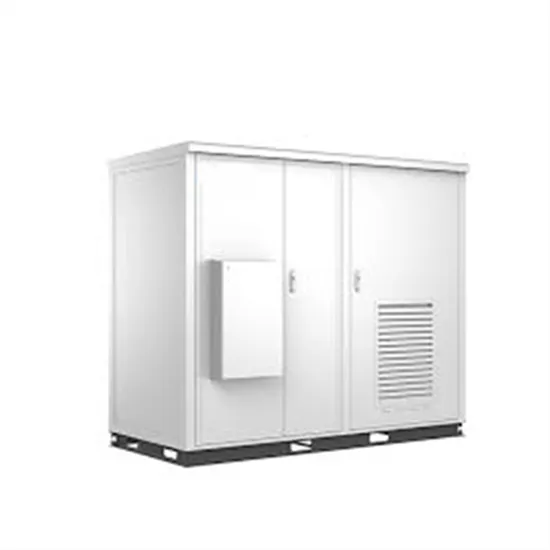
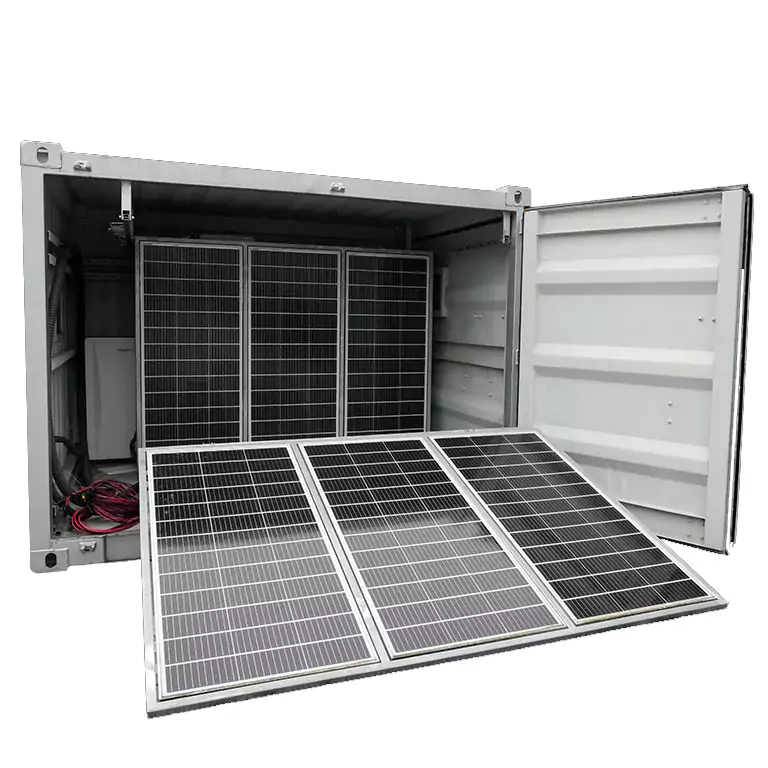
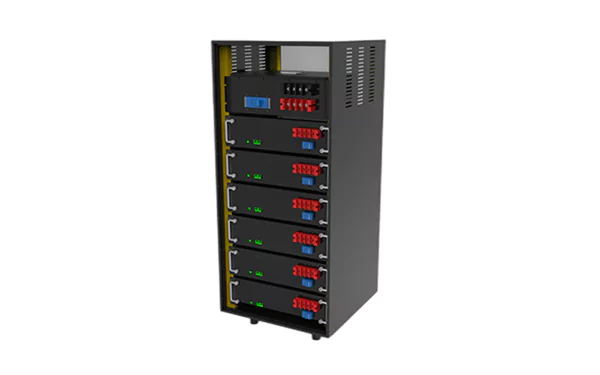
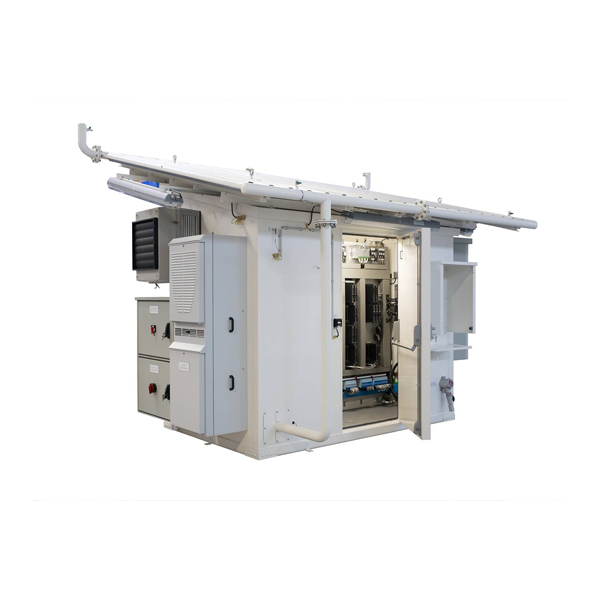
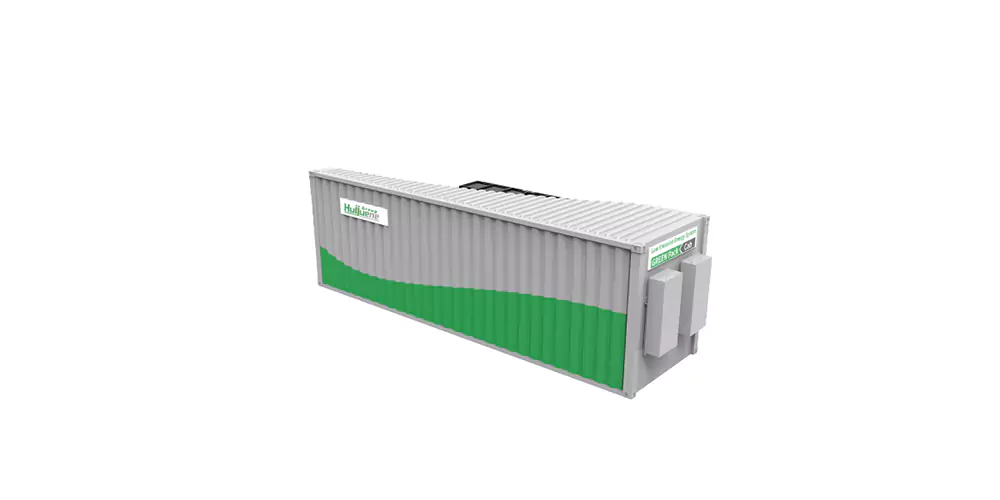
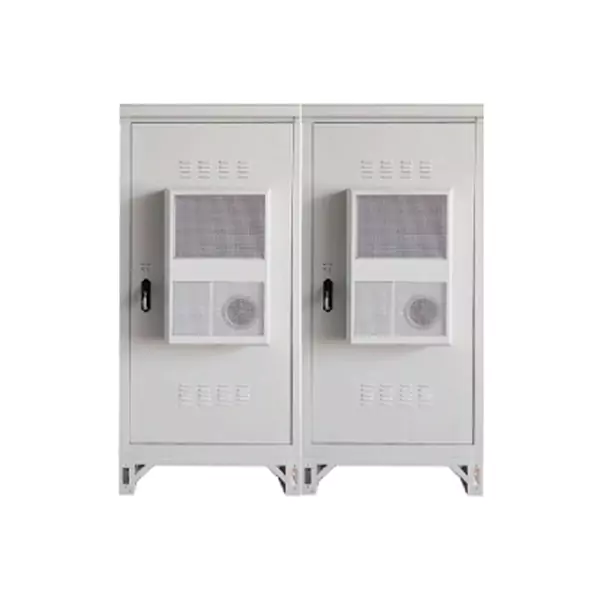
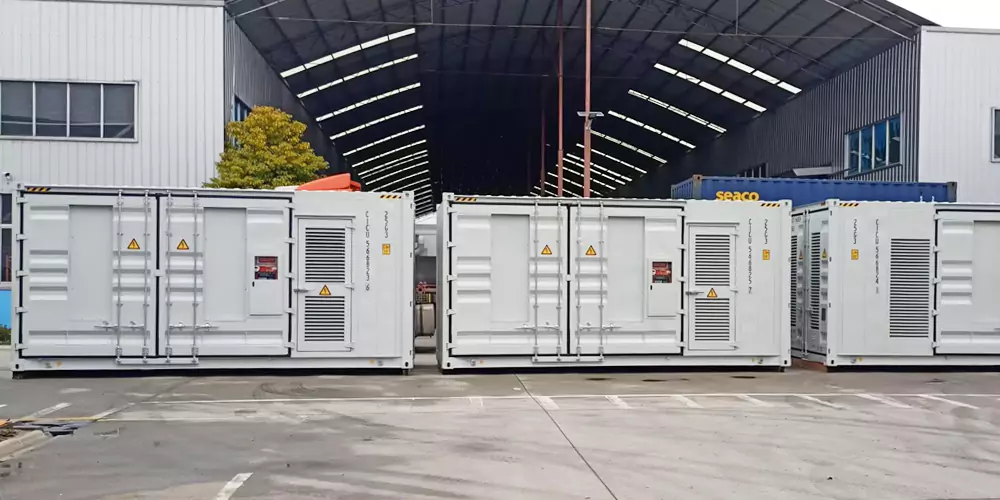
Projects must meet specific technical standards to qualify for subsidy support. These requirements ensure deployed systems provide genuine grid benefits rather than merely serving as backup generators. Grid connection at medium or high voltage levels means projects typically require transformer infrastructure and professional electrical engineering design. Low-voltage connectionsâstandard for residential and small commercial installationsâgenerally won't qualify unless combined with other facilities. The minimum 4 MWh capacity threshold translates to substantial physical installations. A 4 MWh system using 215 kW/418 kWh outdoor cabinet configurations would require approximately 10 units, covering roughly 200 square meters of ground space. Larger projects demand proportionally more area and infrastructure. Battery chemistry preferences matter for longevity and performance. Lithium Iron Phosphate (LFP) technology dominates new C&I installations globally due to superior cycle life, thermal stability, and absence of cobalt-related supply concerns. Most project developers now specify LFP as standard. Cooling systems require consideration. Liquid cooling provides better temperature uniformity and extends battery lifespan in demanding applications, though air-cooled systems offer lower initial costs for moderate climates. Polish winter conditions actually favor certain configurationsâoutdoor cabinets need heating capability to maintain optimal operating temperatures. Grid code compliance is essential for systems providing frequency regulation or demand response services. Polish grid operator requirements specify communication protocols, response times, and safety interlocks that must be integrated into project design.Application Process and Timeline
The application pathway involves several distinct phases, each requiring careful preparation. Initial qualification assessment should confirm your facility meets size requirements and that the project timeline aligns with program deadlines. Energy audits from qualified consultants can establish baseline consumption profiles and quantify potential savings from battery storage integration. Project development includes detailed engineering design, equipment procurement, and contractor selection. Given supply chain considerations for large battery systems, this phase typically requires 3-6 months for larger projects. Grid connection agreements with your local distribution system operator (DSO) require separate processes. Battery systems providing grid services need specific interconnection agreements that may involve network studies and infrastructure upgrades. Early engagement with the DSO prevents timeline surprises. Subsidy applications are submitted through NFOÅiGW's online portal with comprehensive documentation including technical specifications, financial projections, environmental assessments, and grid connection confirmations. Review periods vary based on application volume and project complexity. Construction and commissioning follow approval, with final inspection and operational certification required before subsidy disbursement. The 2028 deadline for operational status means projects should target completion at least 6-12 months earlier to accommodate commissioning and documentation requirements. Project delays trigger financial penalties. Systems completed 3-6 months late face monthly deductions of 5% from the subsidy amount. Delays exceeding 6 months incur 10% monthly penaltiesâenough to significantly impact project economics.Financing Structures and Investment Models
Beyond direct ownership, several financing structures enable businesses to access battery storage benefits without large upfront capital outlays. Third-party ownership models, where investors own and operate battery systems while selling storage services to host facilities, have gained traction in Poland. These arrangements transfer capital requirements and operational responsibilities to specialized developers while providing hosts with predictable energy cost reductions. Power Purchase Agreements (PPAs) for storage services offer similar benefits. The storage provider installs and operates a battery system, selling guaranteed demand reduction or energy shifting services to the host facility at rates below the value of those services. Lease structures provide another pathway, particularly attractive for companies hesitant about asset ownership on their balance sheets. Monthly lease payments may prove more predictable than ownership costs, though total expense typically exceeds purchase financing over system lifetimes. Battery-as-a-Service (BaaS) models combine storage services with performance guarantees. Providers assume operational risk while customers pay for verified storage benefits. This approach minimizes risk exposure while still capturing substantial energy cost reductions. Equity financing suits well-capitalized businesses preferring asset ownership. Polish commercial banks increasingly understand battery storage economics, though financing terms vary significantly across institutions. Strong power purchase agreements or demand reduction contracts improve loan terms.Economic Analysis: Realistic Returns
Let's examine a realistic C&I battery project to understand actual economics. A 2 MW/4 MWh system serving a Polish food processing facility might involve:- Equipment costs: 8-10 million PLN
- Installation and grid connection: 2-3 million PLN
- Total investment: 10-13 million PLN
- Subsidy at 45% for large enterprise: 4.5-5.85 million PLN
- Net investment: 5.5-7.5 million PLN
- Demand charge reduction: 800,000-1,200,000 PLN
- Energy cost optimization: 300,000-500,000 PLN
- Ancillary services (if qualified): 100,000-300,000 PLN
- Total annual benefit: 1,200,000-2,000,000 PLN
Risk Factors and Mitigation Strategies
Several risks require consideration in project planning. Technology performance risks center on battery degradation and system reliability. Quality equipment from established manufacturers carries 10-15 year performance warranties, though warranty terms require careful review. LFP chemistry offers superior cycle life compared to alternative technologies. Grid integration risks involve interconnection delays, technical requirements, and potential grid curtailment during oversupply conditions. Early engagement with distribution operators and careful project design mitigate these concerns. Regulatory risks include potential changes to subsidy programs, grid code requirements, or energy market rules. Current programs have strong political support, but Polish energy policy continues evolving in response to EU directives. Market price risks affect projects relying heavily on ancillary service revenues. Energy market values fluctuate based on supply-demand balance, weather patterns, and fuel costs. Battery systems providing multiple value streams face lower concentration risk. Technology obsolescence concerns some decision-makers, though modern battery systems often prove upgradeable rather than requiring complete replacement. Scalable architectures allow incremental capacity additions as technology improves.The Polish Energy Storage Market Landscape
Poland's commercial energy storage market is maturing rapidly. Multiple international project developers have established Polish operations, attracted by generous subsidy programs and growing C&I demand. Local installers and EPC contractors have responded by developing battery integration capabilities. Earlier market entrants lacked experience with utility-scale storage systems, but training programs and technology partnerships have narrowed the expertise gap substantially. Equipment suppliers serve the market through distribution networks across Poland. Major international manufacturers compete with regional specialists, creating competitive pricing despite supply chain constraints affecting global battery markets. Banking relationships matter for project success. Several Polish banks have developed specialized lending products for energy storage projects, with terms reflecting the technology's maturing risk profile. Early project completions have generated positive track records supporting future financing. Insurance markets offer coverage products tailored to battery storage, including performance warranties, business interruption protection, and property coverage. Comprehensive insurance programs provide confidence for both owners and financing institutions.Strategic Considerations for Decision-Makers
Boardroom discussions about C&I energy storage should address several strategic dimensions beyond simple financial analysis. Energy cost predictability becomes increasingly valuable as fossil fuel price volatility persists. Battery storage provides some hedge against electricity price inflation, converting variable energy costs into more predictable expense profiles. Corporate sustainability commitments often include scope 2 emissions targets tied to electricity consumption. Battery storage enabling higher renewable self-consumption helps companies meet ESG reporting requirements and stakeholder expectations. Grid resilience matters for operations requiring continuous power. Battery systems providing backup capability during grid disturbances prevent production losses that far exceed energy cost savings. Competitive positioning increasingly involves sustainability credentials in B2B procurement decisions. Companies demonstrating active energy transition engagement may enjoy advantages in supply chain relationships and customer preferences. The window for subsidized project development is narrowing. December 2025 contract deadlines mean projects should initiate immediately to allow adequate development time. Companies waiting to "see how it goes" risk missing funding opportunities.Next Steps for Interested Businesses
Poland's â¬1 billion energy storage program represents a generational opportunity for commercial energy management. The combination of substantial subsidies, favorable policy direction, and maturing technology creates compelling economics for qualified projects. Begin with a comprehensive energy assessment to establish baseline consumption profiles and quantify potential benefits. Most facilities have more optimization opportunity than initially apparent. Engage qualified project developers with proven Polish track records. Battery storage systems require specialized expertise, and installer quality varies substantially. Request references from completed projects and verify warranty terms carefully. Evaluate financing structures that match your capital availability and risk tolerance. Third-party ownership models reduce balance sheet impact while BaaS arrangements minimize operational involvement. Submit applications early in the process to secure position in the queue. While the December 2025 deadline appears distant, development timelines for utility-scale battery projects regularly exceed 18 months. Poland's energy transition is accelerating. Commercial battery storage represents both an operational opportunity and a strategic investment in competitive positioning. The time to act is now.


 Inquiry
 Online Chat