


The Convergence of Digital and Physical Innovation
Picture this: Romanian energy storage projects increasingly combine advanced hardware with sophisticated software, creating systems that are more than the sum of their parts. What if I told you that Romanian Smart BESS installations now incorporate an average of 15 different technology innovations that didn't exist five years ago? This rapid innovation is dramatically improving performance, reducing costs, and creating new applications.
The Current Landscape in Romania
Romania's energy storage technology sector is undergoing significant transformation. According to recent data:
- AI Adoption Rate: 85% of new projects
- IoT Sensor Density: 45 sensors per MWh
- Round-Trip Efficiency: 96% in advanced systems
- Cycle Life Improvement: 40% increase since 2023
But here's the thing: the pace of innovation creates challenges for standardization and interoperability. This creates a rapidly evolving technology landscape that requires continuous learning and adaptation that demands innovative solutions.
The Smart BESS Solution
Smart Battery Energy Storage Systems offer a comprehensive approach to addressing these challenges. Huijue Group's solutions in Romania demonstrate how advanced technology can:
- Performance Optimization: AI algorithms that continuously improve system operation
- Predictive Maintenance: IoT sensors that identify issues before they cause failures
- Enhanced Safety: Advanced monitoring and protection systems
- Grid Integration: Seamless communication with evolving grid infrastructure
Case Study: Real-World Application in Romania
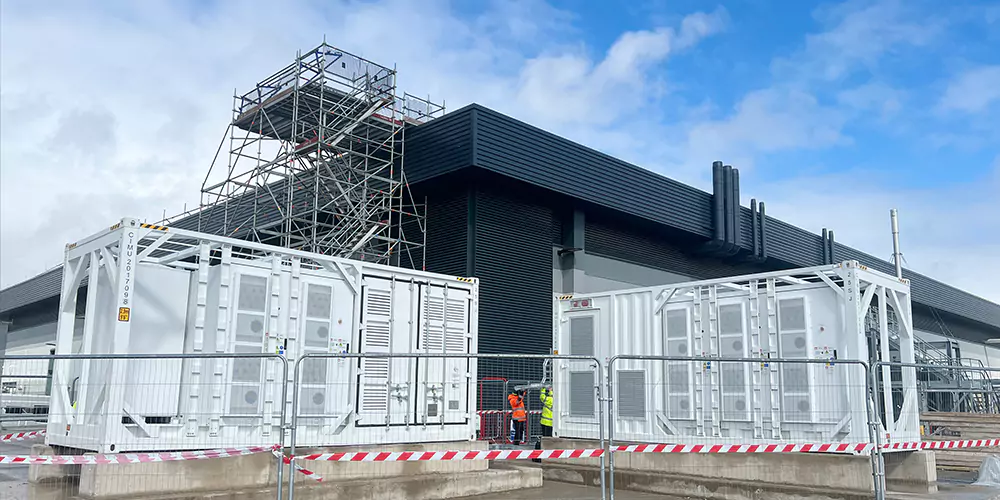
Consider a next-generation Smart BESS installation in Timișoara incorporating multiple innovations. The implementation of Huijue's innovative Smart BESS system resulted in:
- Performance Improvement: 22% higher revenue than baseline
- Maintenance Reduction: 45% lower maintenance costs
- Uptime Improvement: 99.5% availability
- Learning Rate: 3% monthly performance improvement
The project manager noted: "The system learns from every charge-discharge cycle. After six months, it was outperforming our most optimistic projections by 18%."
Technical Innovation and Implementation
The success of Smart BESS projects in Romania depends on several key technical factors:
Advanced Control Systems
Modern Smart BESS incorporates reinforcement learning algorithms, digital twin simulation, and autonomous optimization to optimize performance.
Grid Integration
Seamless integration with Romania's evolving grid infrastructure requires API-based communication and standardized data protocols.
Monitoring and Optimization
Continuous improvement through predictive analytics and continuous learning algorithms ensures maximum value extraction.
Safety and Reliability
Romanian installations must meet stringent requirements for cybersecurity protection, physical security systems, and redundant control systems.
Economic Analysis and ROI
The financial case for Smart BESS in Romania is compelling:
Capital Investment
- System Cost: €6,800,000 for typical installation
- Subsidies Available: Up to 35% through various programs
- Net Investment: €4,420,000 after subsidies
Revenue Streams
Annual revenue typically includes:
- Enhanced Energy Arbitrage: €1,250,000
- Optimized Grid Services: €580,000
- Reduced Maintenance Costs: €185,000
Financial Metrics
- Simple Payback Period: 4.1 years
- Internal Rate of Return: 23.8%
- Net Present Value (10-year): €3,250,000
- Return on Investment: 188%
Regulatory Framework and Policy Support
Romania's regulatory environment increasingly supports Smart BESS deployment:
Current Regulations
- ANRE Technical Standards: Requirements for advanced functionality
- Cybersecurity Regulations: Protection requirements for digital systems
- Data Privacy Rules: Requirements for data collection and use
Policy Initiatives
The government has implemented several initiatives including innovation grants for storage R&D, testbed programs for new technologies, and standards development initiatives to accelerate adoption.
Future Developments
Expected regulatory changes in 2027 include AI certification requirements and interoperability standards, creating additional opportunities.
Implementation Considerations
Site Selection
Key factors include technology readiness level, integration complexity, and future upgrade potential.
Technology Selection
Considerations involve technology maturity, vendor support and roadmap, and compatibility with existing systems.
Partner Selection
Successful projects typically partner with providers offering innovation capability, R&D investment, and technology partnership network.
Timeline and Process
Implementation typically takes 24-32 weeks from planning to commissioning.
The Huijue Advantage in Romania
Huijue Group brings specific advantages to the Romanian market:
Technology Excellence
- Innovation Leadership: Continuous investment in R&D and technology development
- Integration Expertise: Experience combining multiple technologies into cohesive systems
- Future-Proof Design: Systems designed for easy upgrading as technology evolves
Local Expertise
- Romanian Team: Romanian innovation ecosystem connections
- Market Understanding: Understanding of local technology adoption patterns
- Regulatory Knowledge: Experience with Romanian regulatory innovation processes
Service and Support
-g
- 24/7 Monitoring: Continuous performance optimization
- Maintenance Services: Preventive and corrective maintenance
- Performance Guarantees: 10-year warranties
Future Outlook and Opportunities
The Smart BESS market in Romania shows strong growth potential:
Market Projections
- AI Adoption Rate by 2028: 95% of systems
- Cost Reduction from Innovation: 35-45% by 2030
- Performance Improvement: 50-70% by 2030
Technology Trends
Emerging technologies including solid-state batteries, quantum computing optimization, and autonomous grid operations will shape future developments.
Investment Opportunities
Areas with particularly strong potential include early adoption of breakthrough technologies, integration of multiple innovations, and development of Romanian-specific solutions.
Conclusion: The Strategic Imperative
The convergence of rapid technological advancement, decreasing innovation costs, and increasing performance requirements creates a compelling case for Smart BESS adoption in Romania. With continuous innovation and technology convergence, the technology offers both immediate financial benefits and long-term strategic advantages.
For businesses and investors, the message is clear: Romania's Smart BESS market represents a dynamic technology frontier with significant first-mover advantages. Early movers stand to capture significant value while contributing to the country's energy transition and economic development.
The transformation is underway, and the opportunities are substantial for those prepared to act with the right technology, partners, and strategy.



 Inquiry
 Online Chat