


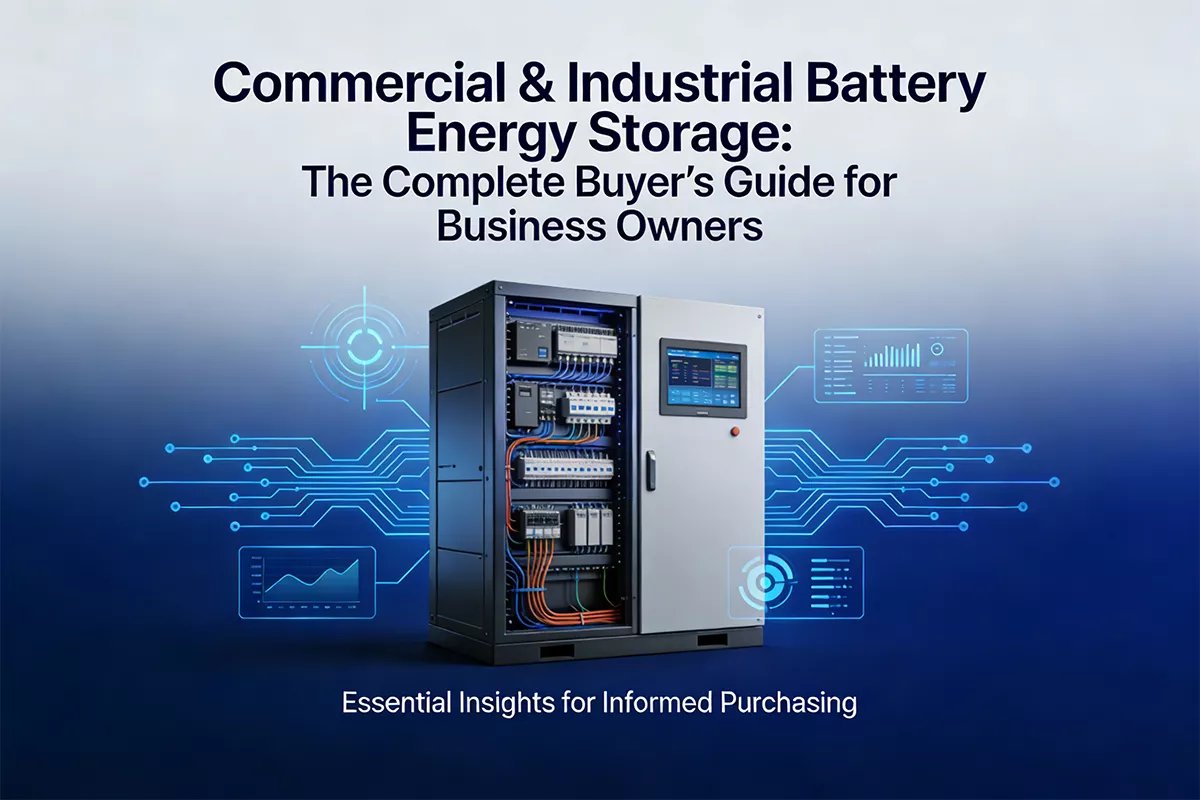
Introduction: The Commercial & Industrial BESS Revolution
As energy costs climb and sustainability mandates tighten across Europe and Asia-Pacific, commercial and industrial (C&I) businesses are under increasing pressure to manage their electricity consumption more intelligently. From manufacturing plants and logistics warehouses to supermarket chains and data centers, the deployment of commercial and industrial battery energy storage systems (C&I BESS) has moved from an experimental edge case to a mainstream energy management strategy.
In this article, we explore what makes a C&I BESS different from residential systems, what business owners and energy managers need to evaluate before investing, and how Huijue's commercial storage solutions are helping businesses across multiple industries cut costs, reduce carbon, and achieve greater energy independence.
1. What Is a Commercial & Industrial BESS — and How Is It Different from Residential?
While a home battery storage system might store 5–20 kWh to support a single household, a C&I BESS operates at an entirely different scale. Commercial and industrial deployments typically range from 50 kWh to multiple megawatt-hours (MWh), serving facilities with far more complex energy profiles.
Key differences include:
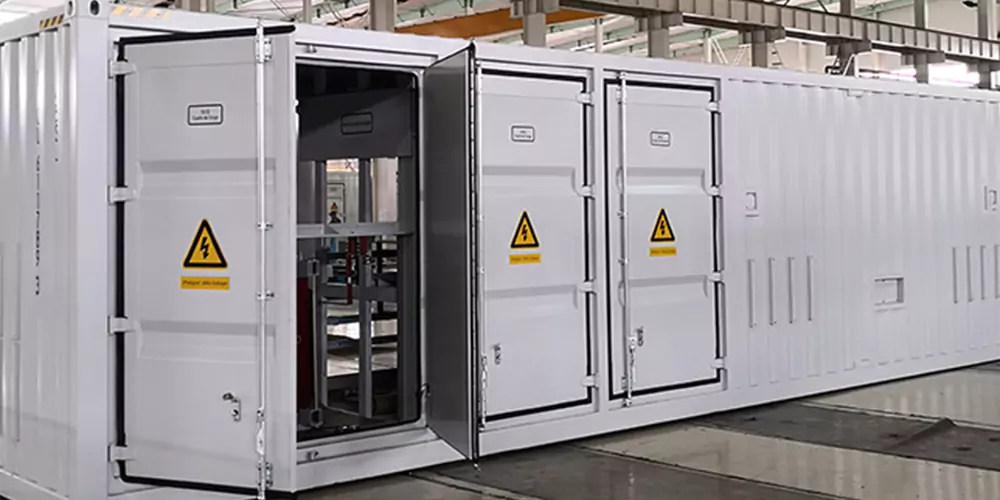
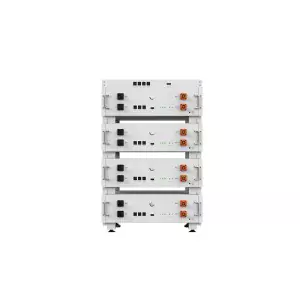
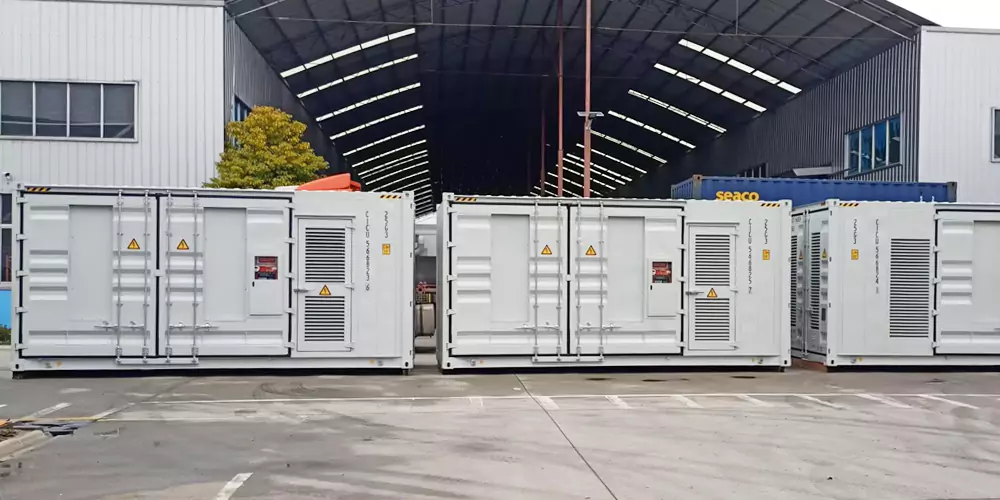
- Scale: C&I systems are modular and scalable, often deployed as containerized or rack-mounted units that can be stacked to reach multi-MWh capacity.
- Application complexity: Commercial sites require more sophisticated energy management — including demand charge management, peak shaving, frequency regulation, and participation in ancillary service markets.
- Grid interconnection: Large C&I systems connect at medium-voltage levels (typically 10–35 kV) and must comply with more stringent grid codes.
- Operational requirements: C&I batteries must operate reliably 24/7, often in harsh industrial environments, with minimal downtime and fast response times.
- ROI timelines: Commercial deployments are investment decisions requiring rigorous financial modeling, typically targeting payback periods of 3–7 years.
Huijue's C&I BESS product lineup is purpose-built for these demands — offering containerized systems from 100 kWh to 5 MWh+ per unit, with flexible configurations for a wide range of commercial and industrial use cases.
2. The Six Key Business Cases for Commercial Battery Storage
2.1 Peak Shaving and Demand Charge Reduction
For most commercial and industrial electricity customers, the monthly electricity bill is not simply based on total energy consumed — it also includes a demand charge based on the highest 15-minute or 30-minute peak consumption recorded during the billing period. These demand charges can account for 30–50% of a commercial electricity bill.
A BESS can dramatically reduce demand charges by discharging stored energy during peak consumption periods, effectively "shaving" the demand spike before it registers on the utility meter. For a medium-sized industrial facility consuming 2 MW at peak, reducing peak demand by just 20% can save tens of thousands of euros or dollars per year.
Huijue's EMS platform includes an advanced demand charge management module that continuously monitors real-time consumption, forecasts upcoming demand spikes based on historical patterns, and dispatches stored energy preemptively — typically achieving 15–35% reduction in monthly demand charges.
2.2 Time-of-Use (TOU) Arbitrage
Many commercial electricity tariffs feature time-of-use pricing, where electricity costs significantly more during peak hours (typically morning and evening) and less during off-peak periods (overnight or midday). A BESS enables businesses to charge during cheap hours and discharge during expensive hours — capturing the price spread as pure profit.
In markets with dynamic pricing or real-time tariffs, Huijue's AI-powered EMS can automatically optimize charge/discharge cycles by predicting price curves up to 48 hours in advance, maximizing arbitrage revenue without any manual intervention.
2.3 Solar Self-Consumption Maximization
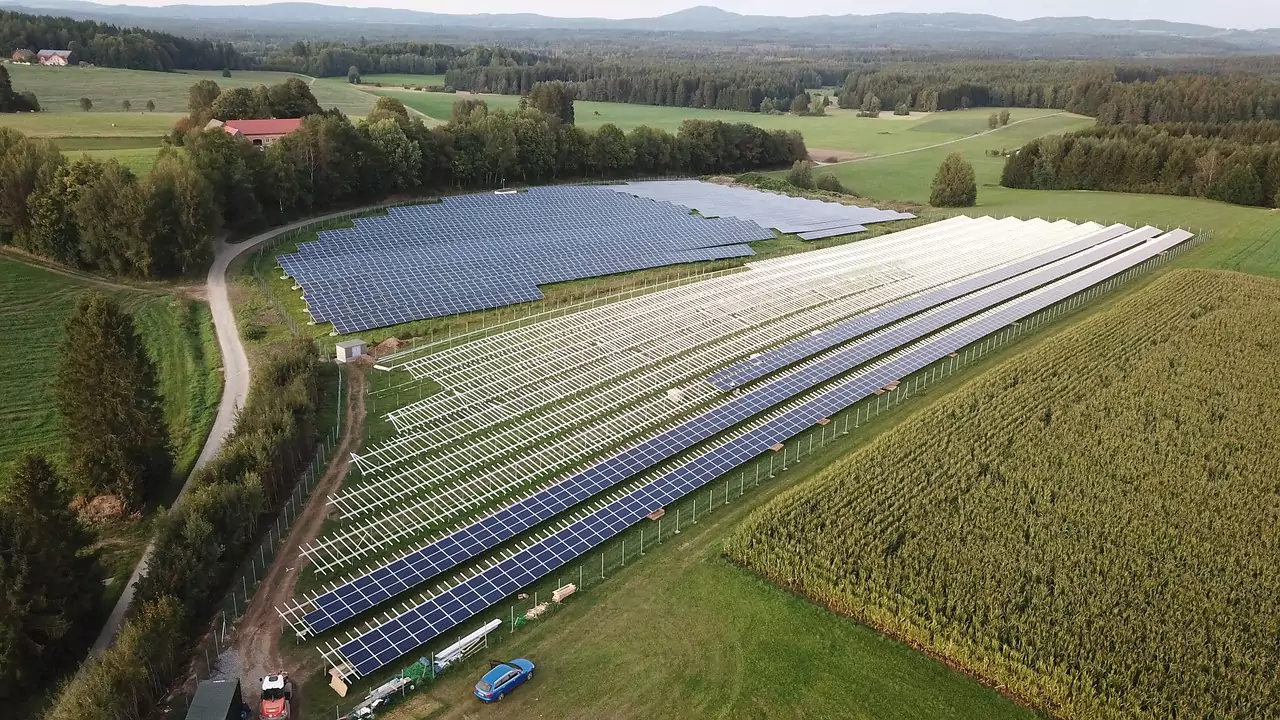
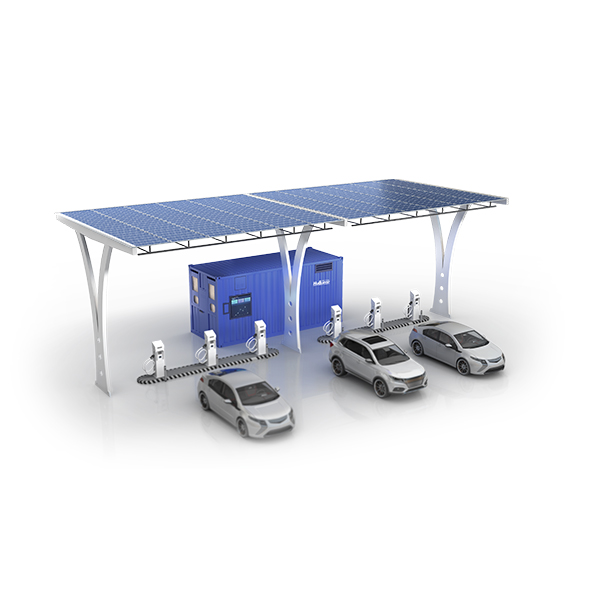
Many commercial and industrial facilities have installed rooftop or carport solar PV systems. However, without storage, much of the solar energy generated during peak sunlight hours (when the building's consumption is lower) gets exported to the grid at low feed-in tariffs — or wasted entirely.
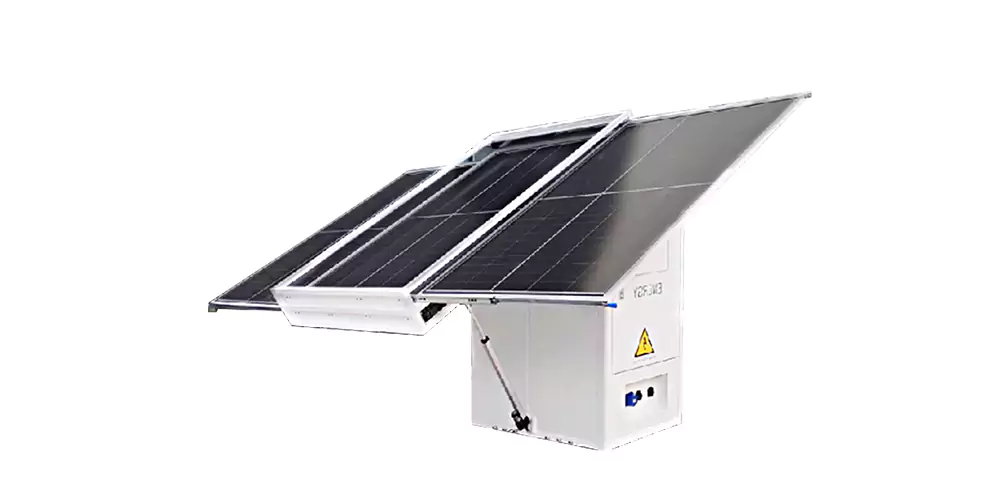
Pairing a BESS with commercial solar installations allows businesses to store surplus midday generation and consume it during morning and evening peaks, pushing solar self-consumption rates from 30–40% up to 80–90%. This dramatically improves solar ROI and accelerates payback.
2.4 Backup Power and Business Continuity
Power outages can cost businesses enormously — in production downtime, data loss, spoilage of temperature-sensitive goods, or simply the loss of customer confidence. A C&I BESS configured with grid-forming capability can provide seamless, millisecond-switchover backup power for critical loads.
Industries that particularly benefit include:
- Food cold chain facilities (supermarkets, warehouses, food processing)
- Data centers and IT infrastructure
- Healthcare (clinics, hospitals, pharmaceutical storage)
- Manufacturing lines where an outage causes scrap or re-start costs
- Telecommunications infrastructure
Huijue's commercial BESS systems support both grid-tied backup (UPS-mode with automatic transfer) and off-grid/island-mode operation, giving businesses full resilience against grid instability.
2.5 Grid Services and Revenue Generation
Commercial-scale batteries can do more than reduce costs — they can generate revenue by providing services to the electricity grid. These services, known collectively as "ancillary services" or "grid services," include:
- Frequency regulation (FCR/FFR): Responding within seconds to grid frequency deviations — among the highest-value grid services in most markets
- Capacity market participation: Receiving payments for being available to discharge when the grid is strained
- Demand response: Getting paid by utilities to reduce consumption during peak demand events
- Virtual Power Plant (VPP) aggregation: Joining aggregator-managed pools of distributed storage assets to bid collectively into wholesale energy markets
Huijue's C&I BESS systems are pre-integrated with leading European and APAC energy market APIs, enabling businesses to participate in grid service markets with minimal complexity. The HuijueCloud EMS handles market bid optimization, response dispatch, and settlement data reporting automatically.
2.6 Carbon Reporting and ESG Compliance
With the EU's Carbon Border Adjustment Mechanism (CBAM), Corporate Sustainability Reporting Directive (CSRD), and Scope 2 emissions reporting requirements becoming mandatory for large businesses, reducing the carbon intensity of energy consumption is no longer a "nice to have" — it's a boardroom priority.
A commercial BESS that maximizes on-site renewable energy consumption and minimizes grid imports during high-carbon hours directly reduces a company's Scope 2 emissions. Huijue's monitoring platform provides ISO 14064-compatible carbon tracking data, helping businesses meet their ESG reporting obligations with verifiable, auditable data.
3. Technical Specifications That Matter for C&I Deployments
3.1 Battery Cell Quality and Thermal Management
For commercial deployments, cell quality is paramount. Unlike residential systems that cycle once or twice per day, some commercial applications (especially frequency regulation) may require 2–4 full cycles per day. Only high-grade LFP cells can sustain this cycle rate over a 10–15 year operational life without unacceptable degradation.
Huijue uses Grade-A LFP prismatic cells from leading tier-1 cell manufacturers, with a proprietary battery management system (BMS) that monitors each cell individually for voltage, temperature, and state-of-charge balance.
Thermal management is equally critical. Huijue's C&I containers feature precision liquid cooling for high-power applications and air cooling with active climate control for standard applications — both maintaining cell temperatures within the optimal 15–35°C operating range regardless of ambient conditions from -20°C to +50°C.
3.2 System Architecture: AC-Coupled vs. DC-Coupled Commercial Systems
For greenfield commercial solar+storage projects, DC-coupled architectures (where the battery and solar share a common DC bus via a hybrid PCS) deliver superior efficiency. For brownfield retrofits where an existing solar inverter is already in place, AC coupling provides simpler integration without disrupting the existing system.
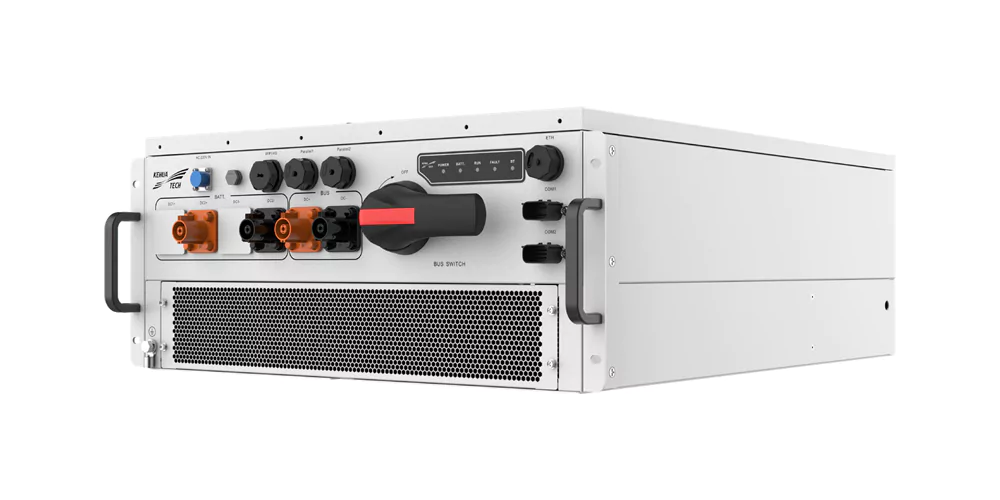
Huijue offers both architectures at commercial scale, with power conversion systems (PCS) ranging from 30 kW to 1250 kW per unit, combinable to virtually unlimited capacity.
3.3 Response Time and Power Quality
For applications involving grid services or critical backup, response time matters. Huijue's commercial PCS systems achieve:
- Full power ramp-up in <100ms (suitable for FCR and FFR frequency regulation)
- Seamless transfer to island mode in <20ms (invisible to connected equipment)
- Active and reactive power control for power factor correction and voltage support
- Harmonic filtering to maintain power quality for sensitive industrial equipment
3.4 Safety Standards for Commercial Environments
C&I BESS installations are subject to more extensive safety regulations than residential systems. Key standards include:
- IEC 62933 — Electrical energy storage (EES) systems performance and safety requirements
- NFPA 855 — Standard for the Installation of Stationary Energy Storage Systems
- UL 9540 / UL 9540A — Standard for Energy Storage Systems and Equipment (critical for US market and increasingly referenced in Europe)
- IEC 62619 — Safety requirements for secondary lithium cells and batteries
- EN 50604-1 — Secondary lithium batteries for light EV applications (referenced for medium-scale systems)
- Local building codes governing fire suppression, spacing, and ventilation for battery rooms or containers
Huijue's commercial BESS products hold all relevant international and regional certifications and include a built-in fire detection and suppression system (CO₂ or aerosol-based, depending on jurisdiction requirements) as standard equipment.
4. Project Development: From Business Case to Commissioning
Deploying a commercial BESS is more complex than buying a residential system. A typical C&I project follows these stages:
- Energy Audit: Analysis of 12+ months of interval meter data, utility bills, and load profiles to quantify savings potential from peak shaving, TOU arbitrage, and solar self-consumption
- System Sizing: Optimizing battery capacity and power rating to maximize project NPV given local electricity tariffs, grid service revenues, and applicable incentives
- Financial Modeling: Building a detailed 15-year cashflow model with sensitivity analysis across electricity price scenarios
- Technical Design: System architecture, grid interconnection design, site civil and electrical works
- Permitting and Grid Approval: Obtaining utility interconnection approval and all relevant building/electrical permits
- Installation and Commissioning: Typically 4–12 weeks for a standard C&I containerized system
- Grid Service Registration: Enrollment in applicable grid service programs with the relevant transmission system operator (TSO)
- Ongoing Operations and Monitoring: Remote monitoring, performance optimization, and annual preventive maintenance
Huijue provides full turnkey EPC (Engineering, Procurement, and Construction) services for commercial projects, handling every stage from initial energy audit through to commissioning and ongoing O&M — giving business owners a single point of accountability.
5. Financial Returns: What to Expect
The economics of commercial battery storage have improved dramatically over the past five years as battery costs have declined and grid service revenues have grown. Here is a representative example for a European industrial facility:
| Parameter | Value |
|---|---|
| Facility type | Manufacturing plant, Germany |
| Peak demand | 1.5 MW |
| BESS size | 500 kWh / 500 kW |
| Annual demand charge savings | €85,000 |
| Annual TOU arbitrage savings | €42,000 |
| Annual FCR grid service revenue | €68,000 |
| Total annual benefit | €195,000 |
| System installed cost | €420,000 |
| Applicable incentive (BAFA Germany) | -€63,000 |
| Net investment | €357,000 |
| Simple payback period | ~1.8 years |
| 25-year NPV (5% discount rate) | €2.1M |
Note: Financial returns vary based on local electricity tariffs, grid service market conditions, and applicable incentives. The above is illustrative based on representative European market data.
6. Industries Leading the C&I BESS Adoption
Huijue has deployed commercial energy storage systems across a diverse range of industries. The sectors showing the fastest adoption include:
Manufacturing & Heavy Industry
Large motor loads, compressors, and production equipment create high demand spikes. BESS-enabled peak shaving can cut demand charges by 20–40%, with typical payback of 2–4 years.
Cold Chain Logistics & Food Retail
Supermarkets and cold storage warehouses run energy-intensive refrigeration 24/7, with large solar PV installations providing cost-effective daytime power. BESS bridges the gap between solar generation and overnight refrigeration loads, while also providing backup power protection for perishable goods.
Commercial Real Estate
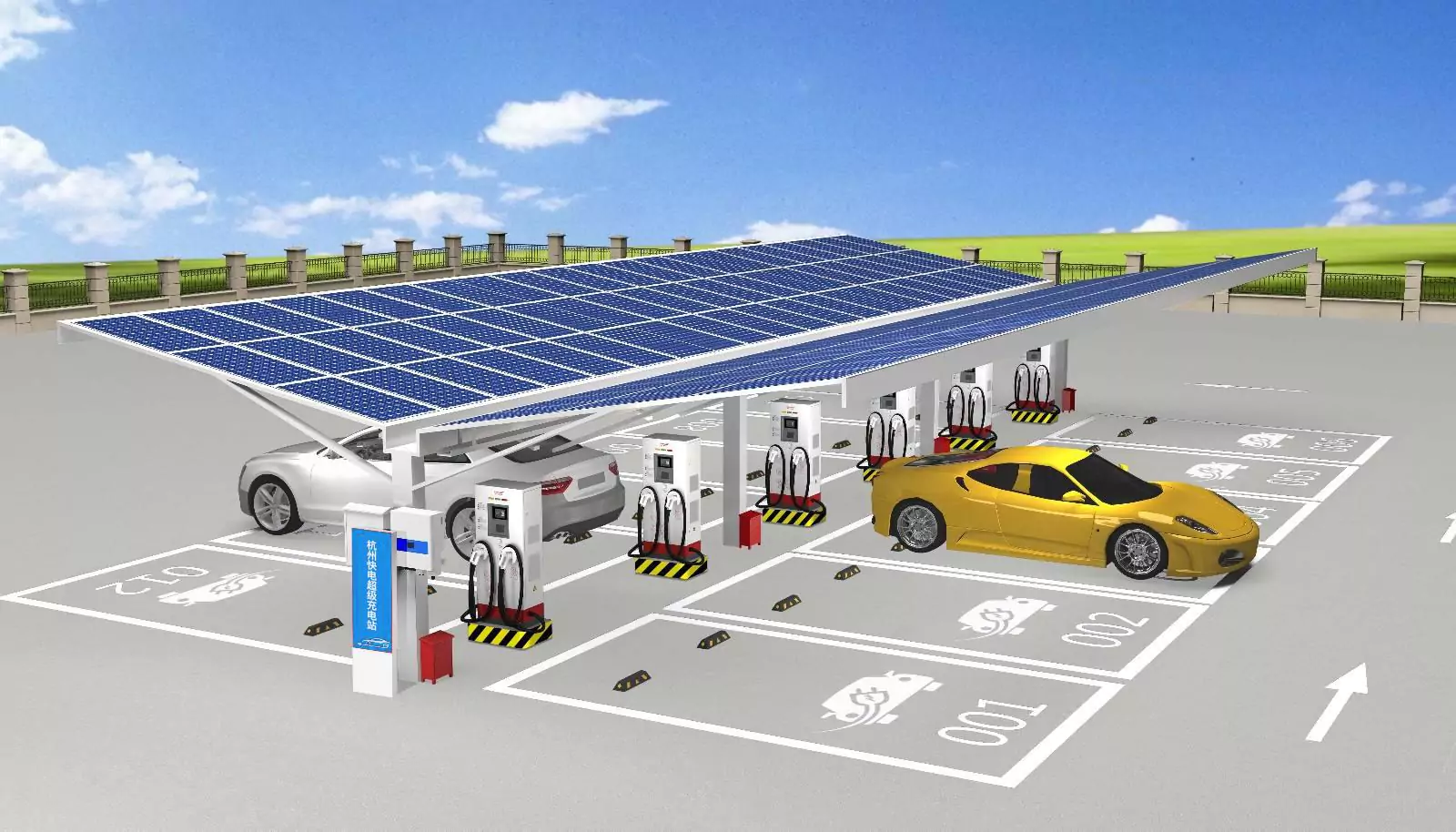
Office buildings, shopping centers, and mixed-use developments are deploying BESS to reduce common area electricity costs, meet green building certification requirements (LEED, BREEAM, DGNB), and provide electric vehicle charging infrastructure support.
Telecommunications
Mobile network operators and data center operators are replacing diesel backup generators with cleaner, more reliable battery storage — reducing carbon emissions, eliminating fuel logistics, and meeting increasingly stringent ESG commitments.
Agriculture & Rural Industry
In regions with unreliable grid supply or high grid connection costs, agricultural operations are adopting solar+storage as a primary power source — reducing reliance on expensive diesel generators and unlocking new possibilities for rural electrification.
7. Huijue C&I BESS Product Range
| Product Series | Capacity Range | Power Range | Best For |
|---|---|---|---|
| Huijue C&I Stack Series | 50–300 kWh | 30–150 kW | Small commercial, retail, office buildings |
| Huijue C&I Container (20ft) | 200–500 kWh | 100–500 kW | Medium industrial, logistics, cold chain |
| Huijue C&I Container (40ft) | 500 kWh–2 MWh | 250 kW–1 MW | Large industrial, data centers, campuses |
| Huijue Multi-MWh Array | 2 MWh–50+ MWh | 1 MW–25+ MW | Grid-scale C&I, VPP, utility-connected |
All Huijue C&I products feature:
- Grade-A LFP cells with >6,000 cycle life
- Integrated BMS, PCS, EMS, and fire suppression in a single containerized solution
- Pre-certified for major European, US, and APAC grid codes
- Remote monitoring and OTA firmware updates via HuijueCloud
- 10-year product warranty; optional 15-year extended service contract
- Plug-and-play DC or AC coupling with all major solar inverter brands
Conclusion: It's Time to Make Your Business Energy-Resilient
The business case for commercial and industrial battery energy storage has never been stronger. Falling battery costs, rising electricity prices, growing grid service revenues, and tightening sustainability requirements are converging to make C&I BESS one of the most compelling capital investments available to businesses today.
The companies that move first will secure the best grid service contracts, capture the most favorable incentives, and gain a lasting competitive advantage in energy costs. Those that wait will face higher costs, stricter regulations, and a rapidly closing window of opportunity.
Huijue has the technology, the certifications, the project experience, and the local service infrastructure to be your trusted partner for commercial energy storage — wherever your business operates.
Ready to find out how much your business could save? Contact Huijue's commercial energy team for a free energy audit and customized BESS proposal.



 Inquiry
 Online Chat