


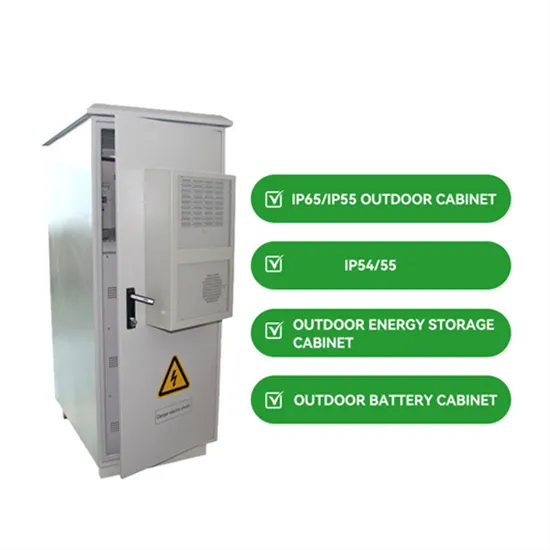
Polish industrial facilities operate under time-variant electricity tariffs where peak-hour consumption incurs substantially higher rates. For manufacturing plants, data centers, and logistics warehouses consuming 500+ kW annually, demand charge reduction represents the fastest ROI path for battery storage investment.
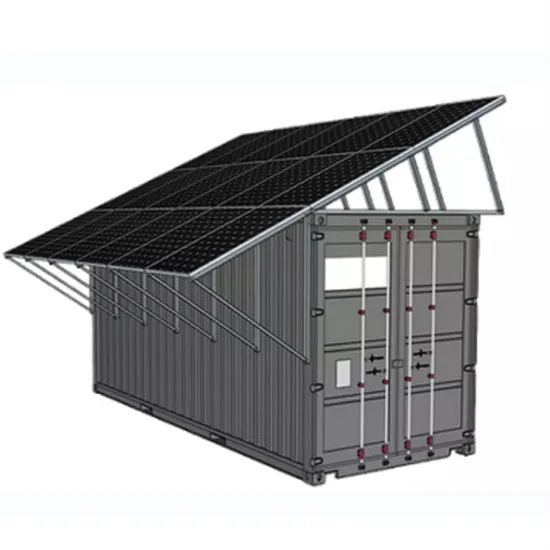
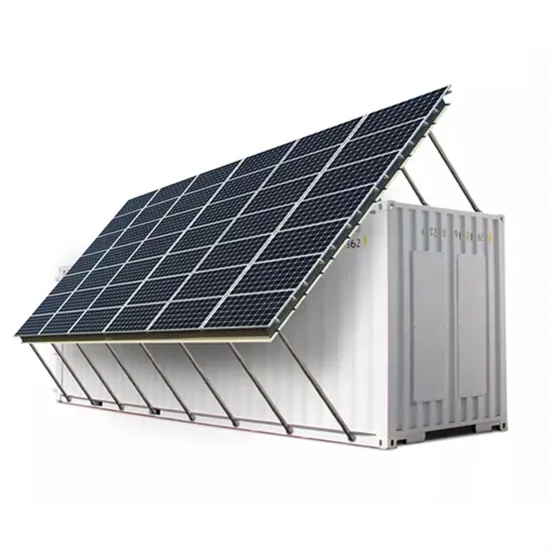
A typical Polish manufacturing facility with 2 MW peak load can reduce demand charges by 20–40% through strategic BESS deployment. During 6–9 AM and 5–9 PM peak windows, stored energy discharges to suppress demand spikes before utility meters register peak consumption. Industrial operators report payback periods of 3–5 years for containerized BESS systems of 500 kWh capacity.
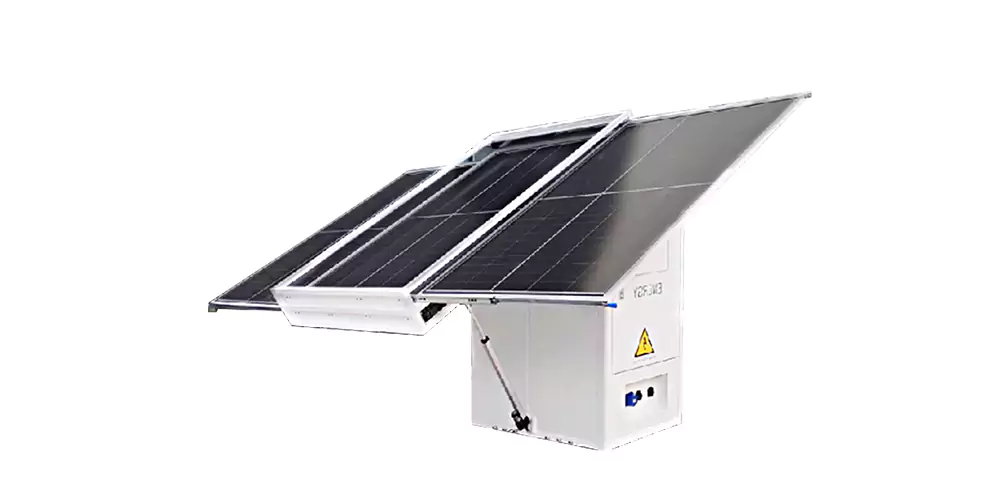
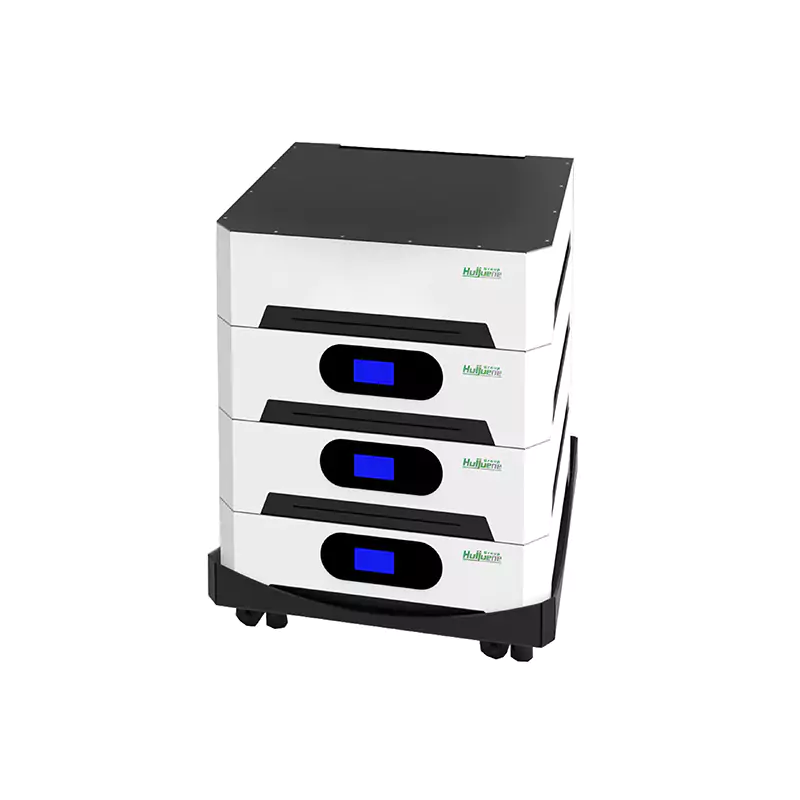
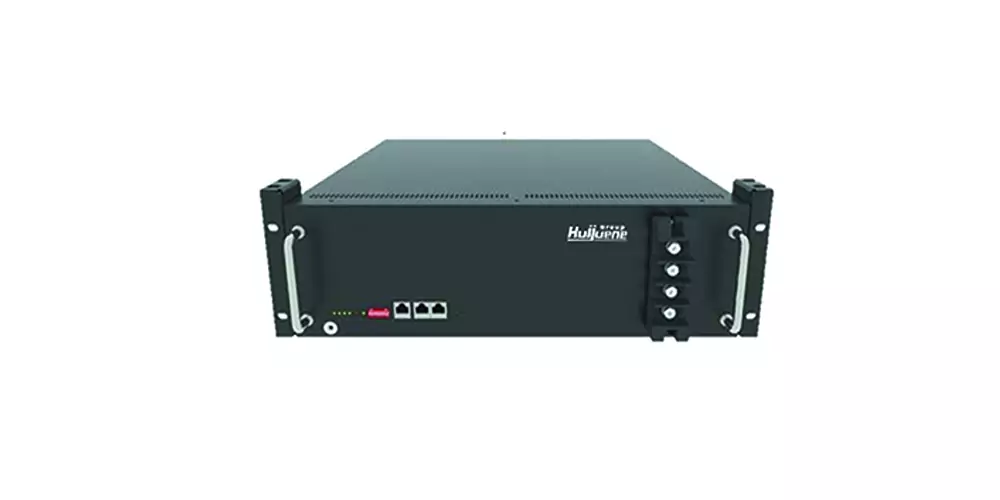
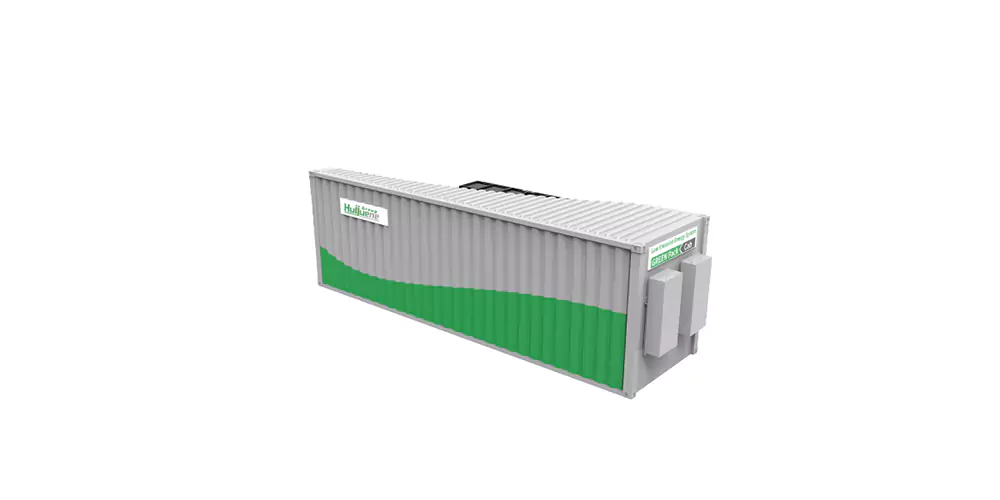
Huijue C&I BESS for Polish Industry
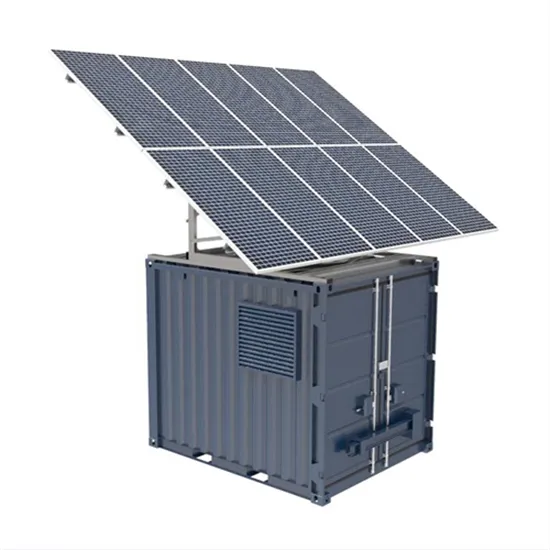
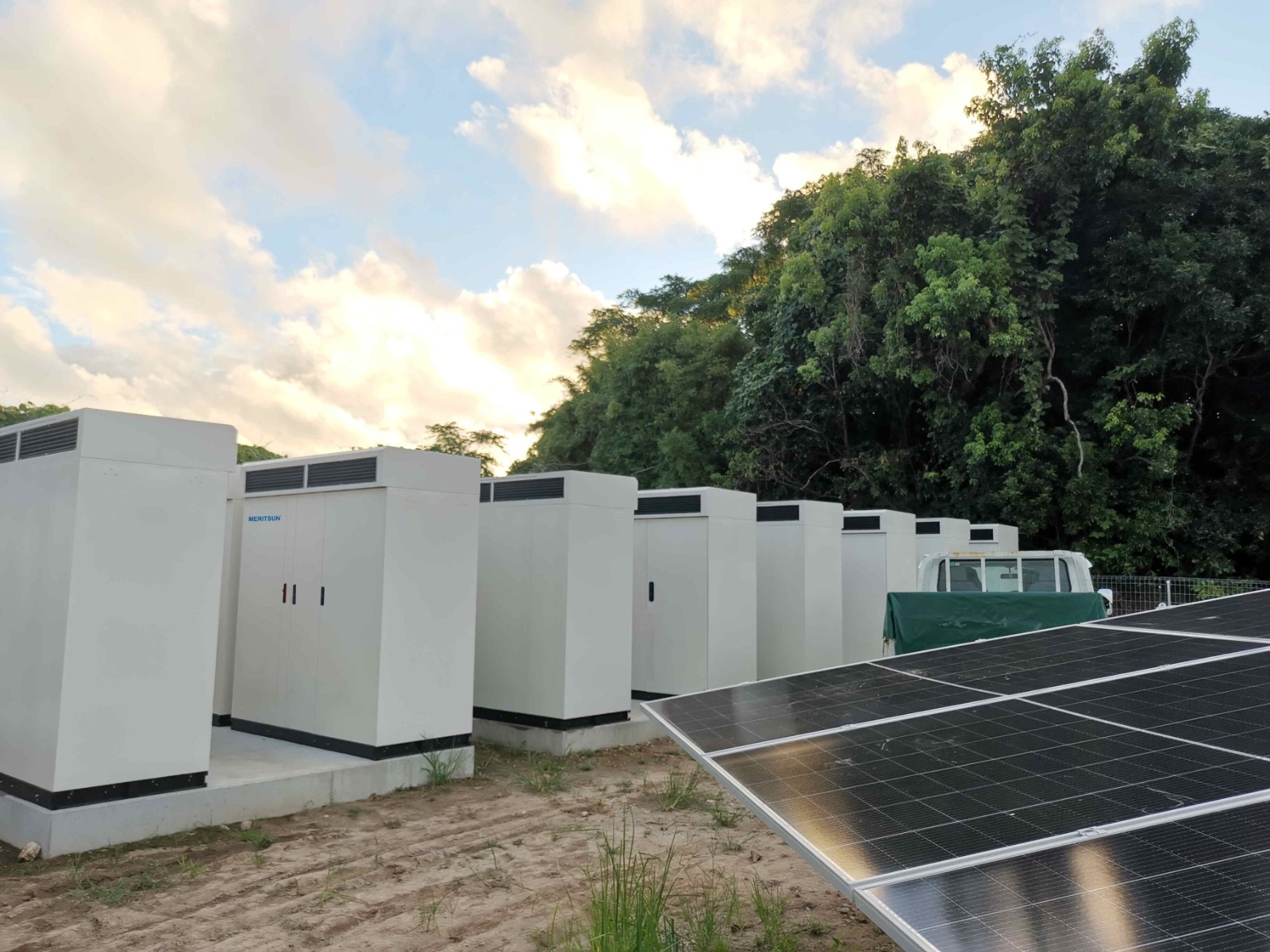
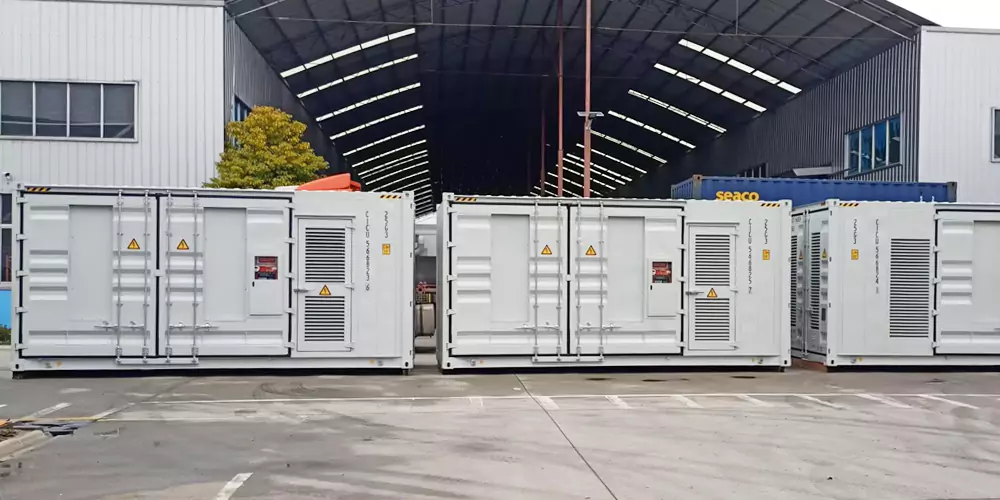
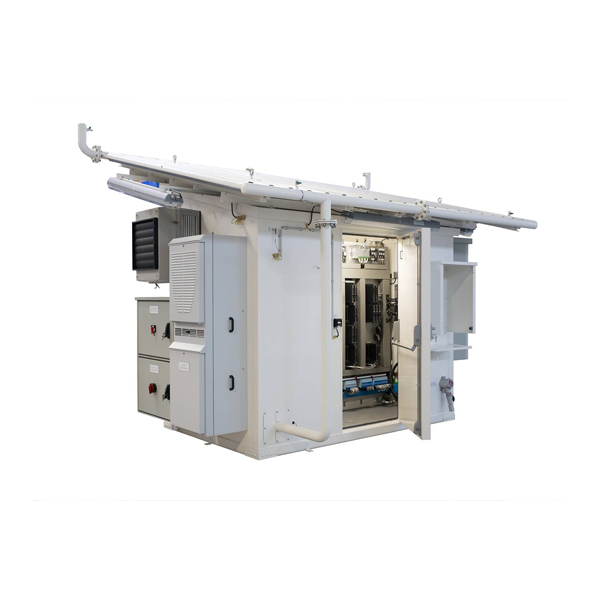
Huijue's Industrial BESS product range, from 100 kWh modular units to 5 MWh+ integrated installations, addresses Poland's diverse industrial footprint. The company's C&I systems operate seamlessly within Poland's interconnected grid, responding to real-time price signals. HuijueCloud EMS algorithms predictively optimize discharge timing, dynamically adjusting strategies based on 7-day weather forecasts, historical consumption patterns, and marginal electricity prices.
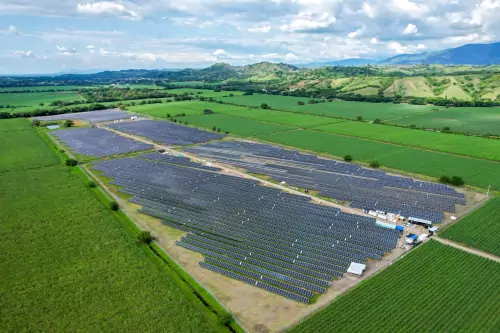
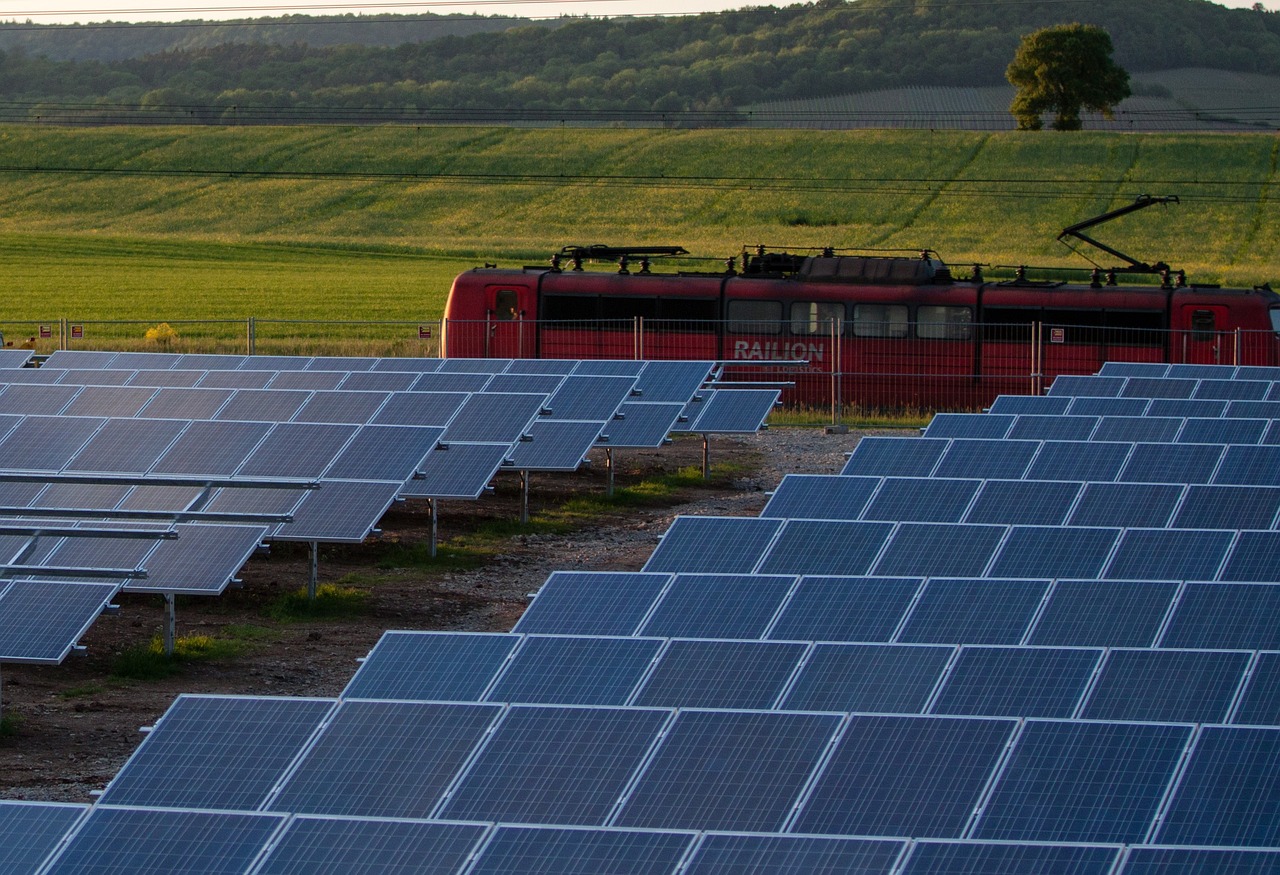
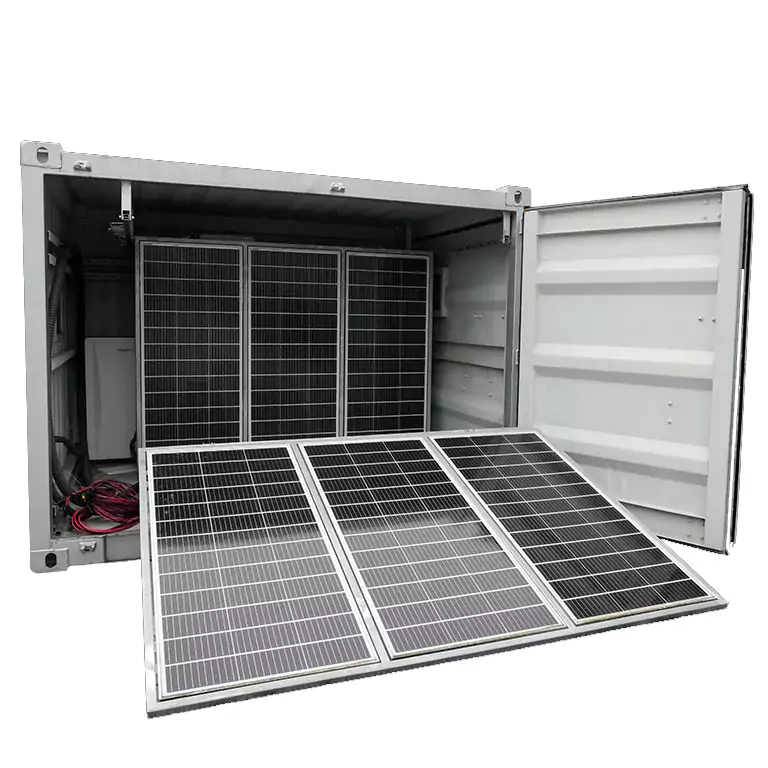
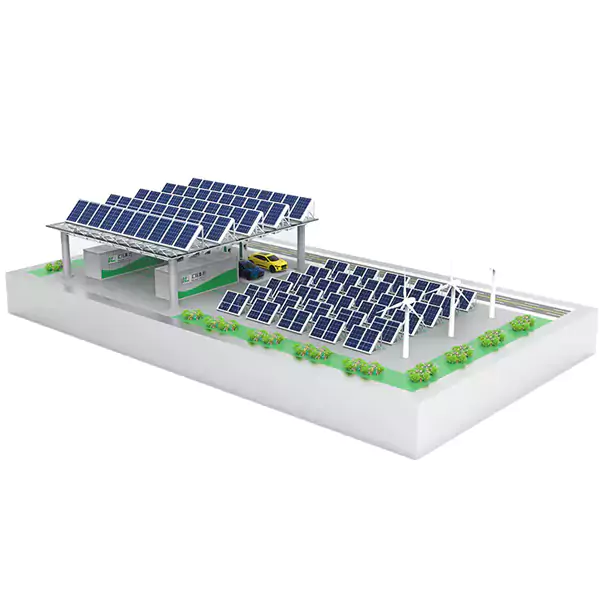
Polish manufacturers increasingly pair BESS with medium-voltage solar installations to maximize self-consumption. Huijue's hybrid inverters enable seamless switching between grid-tied, peak-shaving, and microgrid modes, providing operational flexibility as Poland's energy market evolves.
Key industrial sectors adopting Huijue BESS in Poland include automotive manufacturing in Greater Poland, chemical processing in Silesia, and food production in Mazovia. Each facility receives customized energy dispatch profiles based on their specific load profiles and electricity contract structures, ensuring optimal financial returns from their BESS investment.


 Inquiry
 Online Chat